



Yeoman
Crowd Control
“My duty was never to die for the prince. My duty was to notice the man pretending not to watch him.”
Most assassinations begin long before the knife appears.
The Yeoman understands this.
Popular stories celebrate the dramatic moment. The attack. The duel. The desperate defense. The bodyguard throwing themselves into danger to save a king, noble, priest, or diplomat. Such moments certainly happen, but experienced protectors know that success is usually measured by the absence of drama. A good Yeoman prevents the attack before anyone realizes it was possible.
The profession is built upon vigilance.
Unlike soldiers, who prepare for open conflict, Yeomen prepare for uncertainty. Their responsibility is not merely defeating threats but recognizing them. They study crowds. They watch entrances. They notice unusual behavior. They learn which servants belong in a room, which visitors seem nervous, and which strangers are paying attention to things they should not be noticing.
Most people enter a building and see architecture.
A Yeoman sees vulnerabilities.
This perspective develops through years of service. Whether guarding monarchs, nobles, judges, commanders, diplomats, religious leaders, or other important figures, the Yeoman lives in a state of constant observation. Exits become instinctive knowledge. Chokepoints stand out immediately. Suspicious behavior draws attention long before anyone else notices it.
The habit rarely disappears.
Many retired Yeomen continue choosing seats that provide clear views of entrances. They instinctively position themselves between danger and companions. They remember faces. They notice who enters a room, who leaves, and who appears interested in matters beyond their stated purpose.
The profession rewards caution because failure carries unusual consequences.
A merchant can recover from a bad transaction. A craftsman can rebuild a flawed project. A scholar can revise a mistaken theory. A Yeoman often receives only one opportunity to identify danger before it becomes tragedy. The responsibility shapes them. Every decision carries weight because another person's life may depend upon it.
This burden creates a complicated relationship with loyalty.
Most Yeomen swear service to individuals rather than institutions. They protect specific people. A monarch. An heir. A judge. A scholar. An ambassador. Over time, these professional obligations often become personal ones. Years spent guarding someone creates familiarity. The Yeoman learns routines, habits, fears, strengths, weaknesses, and private concerns.
Sometimes they know their charge better than anyone else.
Such relationships can become surprisingly intimate despite remaining professional. The Yeoman stands nearby during triumphs, crises, celebrations, negotiations, disasters, and quiet moments alike. They witness lives from a perspective few others ever experience. This closeness frequently creates powerful loyalty.
Occasionally it creates disappointment.
After all, proximity reveals flaws as effectively as virtues.
The profession also teaches uncomfortable lessons about power. Most people assume important individuals are protected because they are strong. Yeomen understand the opposite is often true. Power attracts danger. Wealth creates enemies. Influence inspires resentment. The greater a person's importance, the more people may wish them harmed.
Protection exists because vulnerability exists.
This realization often makes Yeomen skeptical of appearances. They know that threats rarely announce themselves openly. Danger may arrive disguised as friendship, opportunity, convenience, routine, or coincidence. A smiling guest may be more dangerous than an armed enemy. An overlooked servant may possess greater access than an invading army.
As a result, experienced Yeomen become excellent judges of behavior.
Not perfect.
But observant.
The role demands balance. Excessive trust invites disaster. Excessive suspicion creates isolation. The best protectors learn to distinguish genuine threats from ordinary human imperfection. This skill requires wisdom as much as vigilance. Every crowd contains nervous people. Every gathering contains secrets. Every important figure attracts attention.
Not every unusual person is an assassin.
The challenge lies in identifying the one who is.
Years spent protecting others often leave lasting emotional marks. Many Yeomen struggle to relax completely. Their minds continue scanning for problems even when none exist. Others become fiercely protective of friends and companions. Some measure every decision against old failures, replaying moments when they missed a warning sign or arrived too late.
Such burdens are common.
So is pride.
Because despite the stress, responsibility, and constant vigilance, the profession offers something valuable. Few callings provide such clear purpose. The Yeoman knows exactly why they are present. They stand watch so others may focus on their own duties. They accept risk so someone else can continue their work.
It is rarely glamorous.
It is often thankless.
Yet entire kingdoms, treaties, dynasties, discoveries, and communities may endure because one observant individual noticed the wrong hand moving toward the wrong pocket at precisely the right moment.
Most people remember the ruler.
The Yeoman remembers the threat.
And that is often why the ruler survives long enough to be remembered at all.
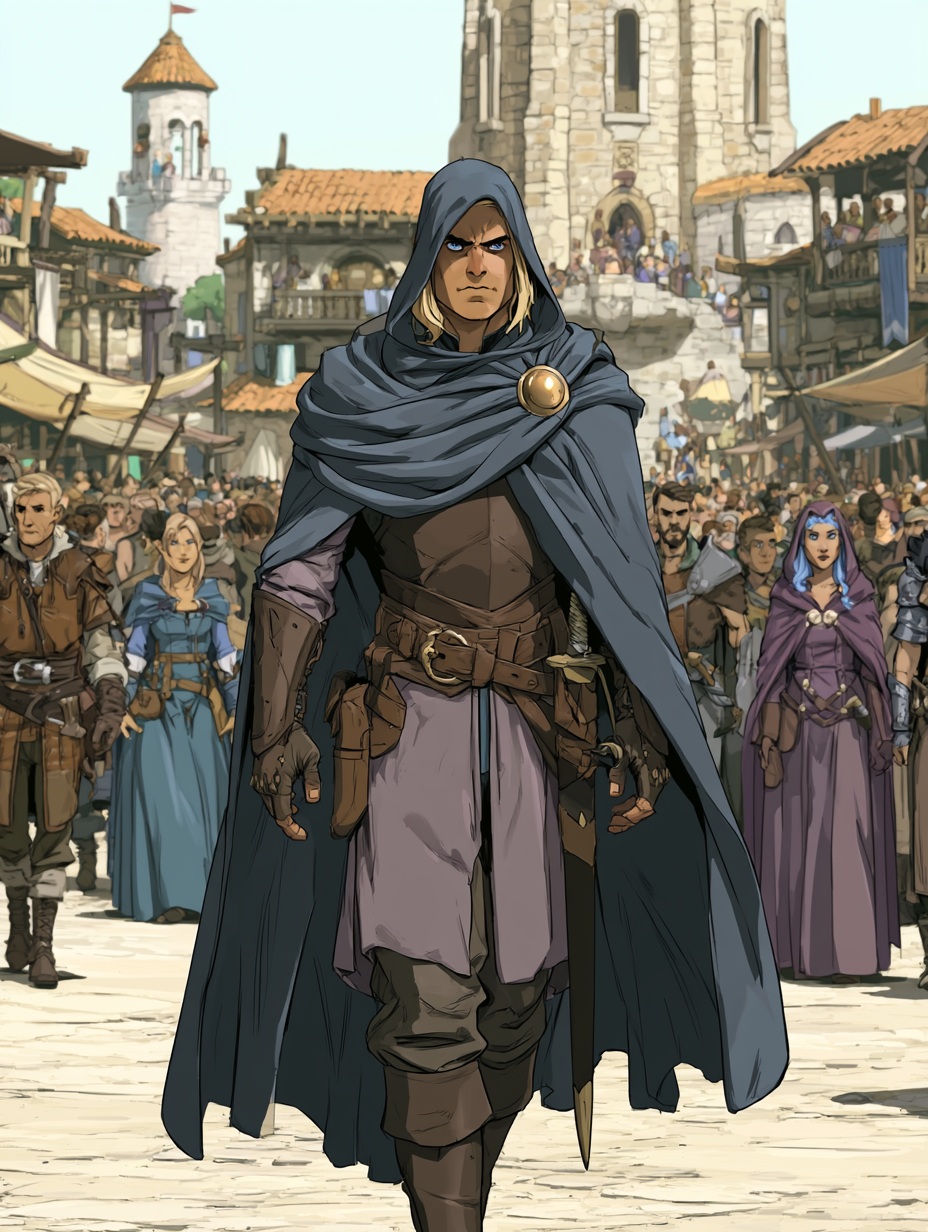
“Everyone in the ballroom was looking at the duchess. I was looking at the servant carrying wine who had entered through the wrong door.”
Type
Military



Comments