


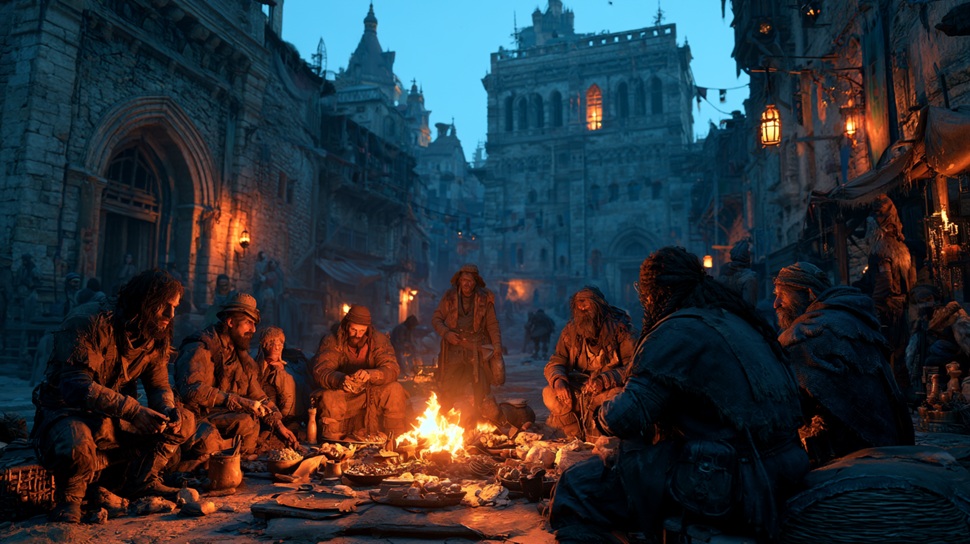
Untouchable
The Unseen
"The city pretended not to see us until something stopped working. Then suddenly everyone remembered exactly how necessary we were."
Most people never think about who cleans the streets.
They notice when the streets are dirty.
Most people never think about who buries the dead.
They notice when the dead remain unburied.
Most people never think about who removes waste, tends cremation grounds, cleans slaughterhouses, tans hides, dredges canals, empties privies, disposes of refuse, or performs the hundreds of unpleasant tasks that allow a community to function.
You spent your life among those people.
Perhaps society decided your place before you were born. Perhaps the prejudice came later through occupation, ancestry, religion, custom, superstition, or fear. Whatever its origin, others made it clear that people like you occupied a position they considered beneath respect. They relied upon your labor while pretending not to see you. They benefited from your work while insisting they were somehow better than those who performed it.
You learned early that necessity and respect are not the same thing.
The irony never escaped you.
The same people who refused your touch depended upon your efforts every day. Entire communities relied upon work they considered too unpleasant, too difficult, or too degrading to perform themselves. They preferred not to think about where their comfort came from.
You did not have that luxury.
Life at the margins teaches lessons that privilege often obscures. You learned how quickly fortune changes. You learned how fragile social status can be. You learned that hunger, grief, illness, and hardship ignore distinctions of class and reputation.
The wealthy become ill.
The powerful die.
The respected fall.
The forgotten endure.
Years spent among laborers, servants, sweepers, gravediggers, dockworkers, scavengers, and other overlooked people taught you to recognize forms of strength that rarely receive recognition. You saw parents sacrificing for their children despite possessing almost nothing. You witnessed communities supporting one another when nobody else would. You learned that dignity survives in places where outsiders assume it cannot.
People who are ignored often notice things others miss.
The wealthy rarely pay attention to servants.
Officials rarely pay attention to laborers.
Nobles rarely pay attention to the people cleaning their halls.
Those habits create opportunities.
Conversations occur openly when powerful people believe nobody important is listening. Secrets become visible when everyone assumes certain individuals are beneath notice. Entire social worlds exist beyond the attention of those who believe themselves to be at the center of society.
You learned how to navigate those worlds.
You learned where working people gathered after long days. You learned which neighborhoods outsiders avoided. You learned who could be trusted, who offered fair treatment, and who viewed kindness as weakness. Information travels differently among the overlooked. It passes through kitchens, workshops, taverns, markets, alleys, docks, and communal spaces where people speak more honestly than they do in courts or council chambers.
Those conversations taught you more about society than any formal education could have.
You discovered that communities are held together by people whose names rarely appear in records. The individuals who clean, repair, transport, bury, build, maintain, and support often contribute more to daily life than those receiving public praise. The work may be invisible, but its absence never is.
Because of this, many untouchables develop a practical understanding of how the world actually functions. Grand speeches matter less than actions. Titles matter less than character. Reputation matters less than reliability.
You learned to judge people by what they do rather than what they claim to be.
Hardship also encourages resourcefulness. When resources are scarce, waste becomes difficult to tolerate. You learned how to repair damaged items, salvage useful materials, stretch supplies, and find value where others saw only refuse. Many people throw things away because replacement is easy. For you, replacement was never guaranteed.
The habit remains.
Even now, you notice opportunities others ignore. You recognize useful tools hidden among discarded objects. You pay attention to people standing quietly at the edges of a room. You instinctively notice who performs the work that allows everything else to happen.
Perhaps you carry resentment toward those who looked down upon you.
Perhaps you carry compassion for others who still endure the same treatment.
Perhaps you simply understand something many privileged people never learn.
A society reveals its true character not through how it treats the powerful, but through how it treats those it believes it can safely ignore.
Most people ask who holds authority.
An untouchable asks who keeps the world running while nobody is watching.
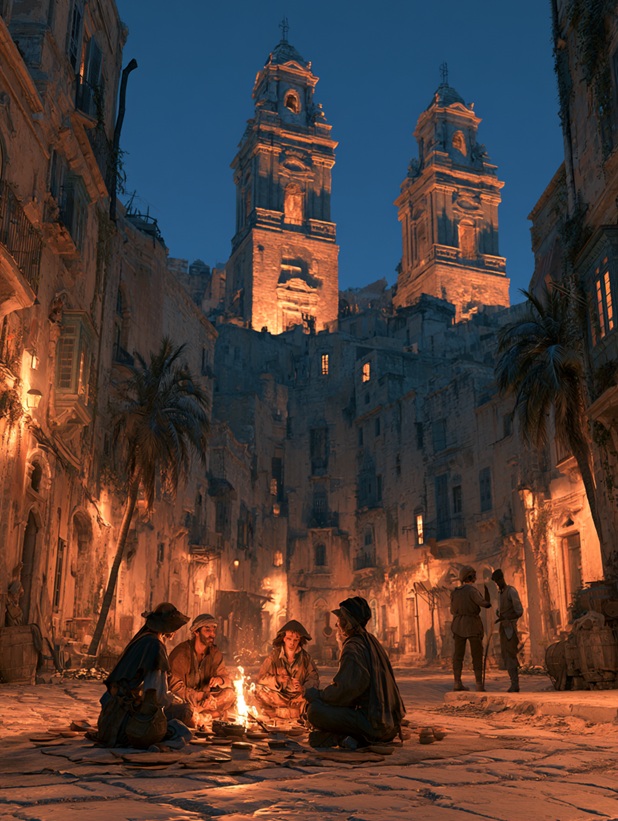
"A society reveals its values through monuments and speeches. It reveals its character through the people it believes it can safely ignore."
Type
Public Services



Comments