


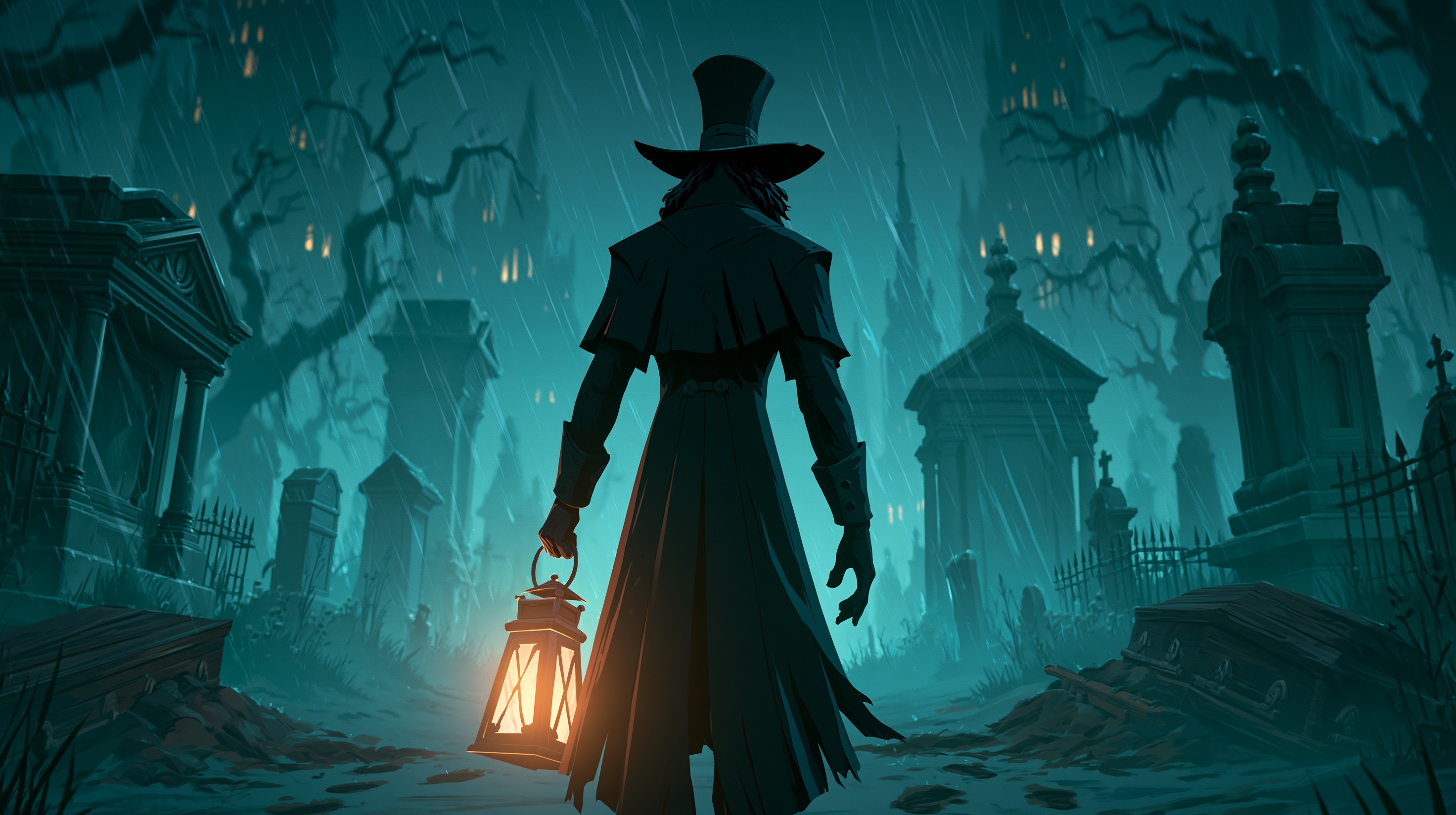
Undertaker
Honor For The Dead
“Bury enough men and you begin to notice the living spend far more effort hiding truth than the dead ever do. Corpses rarely surprise me. Widows and brothers are another matter entirely.”
Undertakers learn very quickly that the dead are rarely the problem.
The dead are quiet. Predictable. Honest in ways the living almost never are. They do not lie about where the wound came from. They do not falsify grief convincingly. They do not argue over inheritance while the body is still warm in the next room. The living do all of that and worse, usually while insisting they are behaving respectfully.
An Undertaker spends enough years around mourning to understand something most people never admit aloud. Death does not reveal character. It removes the luxury of hiding it.
The profession exists in every corner of civilization because somebody has to perform the tasks polite society prefers not to think about too closely. Bodies must be washed. Graves must be dug. Crypts must be sealed properly. Records must be kept. Families must be guided through rituals they barely understand while pretending everything remains orderly and dignified.
Most people notice the priest.
Very few notice the person carrying the corpse.
That invisibility becomes useful.
Undertakers occupy strange social territory. They are welcomed almost everywhere and truly comfortable nowhere. Nobles tolerate them because lineage requires burial. Temples rely on them because rituals require preparation. Villages respect them because every family eventually needs them. Even criminals and killers tend to show a certain caution around those who handle the dead for a living.
Part superstition. Part guilt.
An experienced Undertaker develops habits others find unsettling. They notice bruising beneath cosmetics. Mud on expensive shoes at funerals where the deceased supposedly died peacefully indoors. Tremors in a mourner’s hands that suggest fear instead of grief. They become experts in the tiny contradictions people produce when standing too close to mortality.
And mortality makes everyone strange eventually.
Many begin the work through family trade or temple obligation. Others arrive after plague years, wars, or disasters where there were simply too many bodies and not enough willing hands. Whatever brought them there, the profession changes people slowly. Long exposure to death strips away certain illusions. Fear becomes quieter. Sentimentality becomes harder to tolerate. Practicality sharpens.
This does not mean Undertakers are cruel.
In fact, many become deeply compassionate, just in ways outsiders misunderstand. They know grief cannot always be fixed, only managed. They know the importance of small dignities. Clean clothes on the deceased. A repaired coffin hinge. A body returned home intact when possible. Tiny mercies matter enormously to people standing at the edge of loss.
Especially when something feels wrong.
Because sometimes the dead arrive carrying questions.
A wound inconsistent with the official explanation. Soil beneath fingernails from a supposedly peaceful burial. Strange discolorations no natural illness should produce. Missing organs. Altered records. Coffins heavier or lighter than they ought to be. The Undertaker notices these things because noticing details is the entire profession.
And powerful people hate professions built around noticing details.
There are countless stories of Undertakers stumbling into conspiracies by accident simply because somebody assumed the corpse would not be examined carefully. Murders hidden beneath false paperwork. Bodies moved between graves. Victims of occult rituals disguised as plague casualties. In cities touched by necromancy or darker forces, the work becomes even more dangerous because death stops behaving consistently.
Some Undertakers leave the profession after witnessing this sort of thing once.
Others cannot let it go.
Those are the ones who become adventurers, investigators, occult specialists, or deeply exhausted wanderers carrying too many funeral rites in their heads and too many names in their journals. They travel because they no longer trust stillness. Too many graves have been disturbed. Too many deaths explained too quickly.
Too many corpses looked afraid.
Despite the grim reputation of the work, Undertakers often possess a dry, almost inappropriate sense of humor. Years spent around mourning teaches people either how to laugh carefully or how to break entirely. Most choose laughter. Quiet remarks exchanged beside coffins. Gentle sarcasm during impossible nights. The sort of humor born from understanding that death arrives for everyone eventually, and panic never once convinced it to leave early.
Still, there is a loneliness attached to the profession.
People speak differently around Undertakers. More carefully. More cautiously. They become reminders of inevitability in cultures obsessed with avoiding it. Friendships grow difficult when others mistake composure for coldness. Romantic attachments become fragile when one person spends every day preparing for loss while the other still pretends loss is distant.
And over time, many Undertakers begin noticing something else.
The dead are consistent.
The living are not.
A corpse never lies about what it is. Never pretends to be kinder than it was. Never hides behind ceremony or charm or carefully chosen words. The body simply remains, carrying the truth of whatever happened to it whether the world wishes to acknowledge that truth or not.
Which is why seasoned Undertakers sometimes seem more comfortable in crypts than crowded rooms.
The dead, at least, have already stopped pretending.
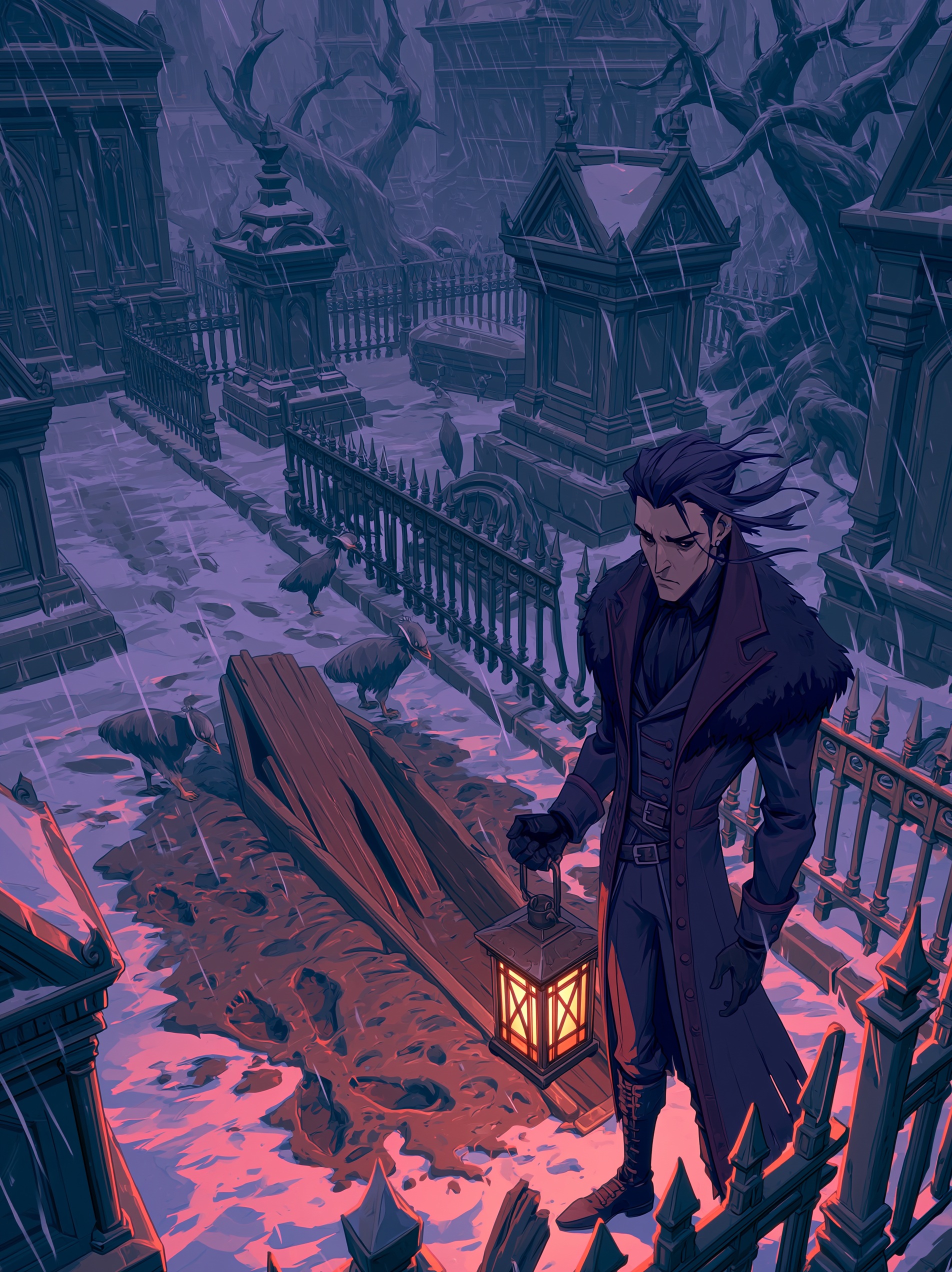
“I have stood beside kings and paupers alike once the breath left them, and I assure you the silence sounds exactly the same. Whatever separates us in life becomes remarkably unconvincing beneath six feet of soil.”
Type
Public Services



Comments