


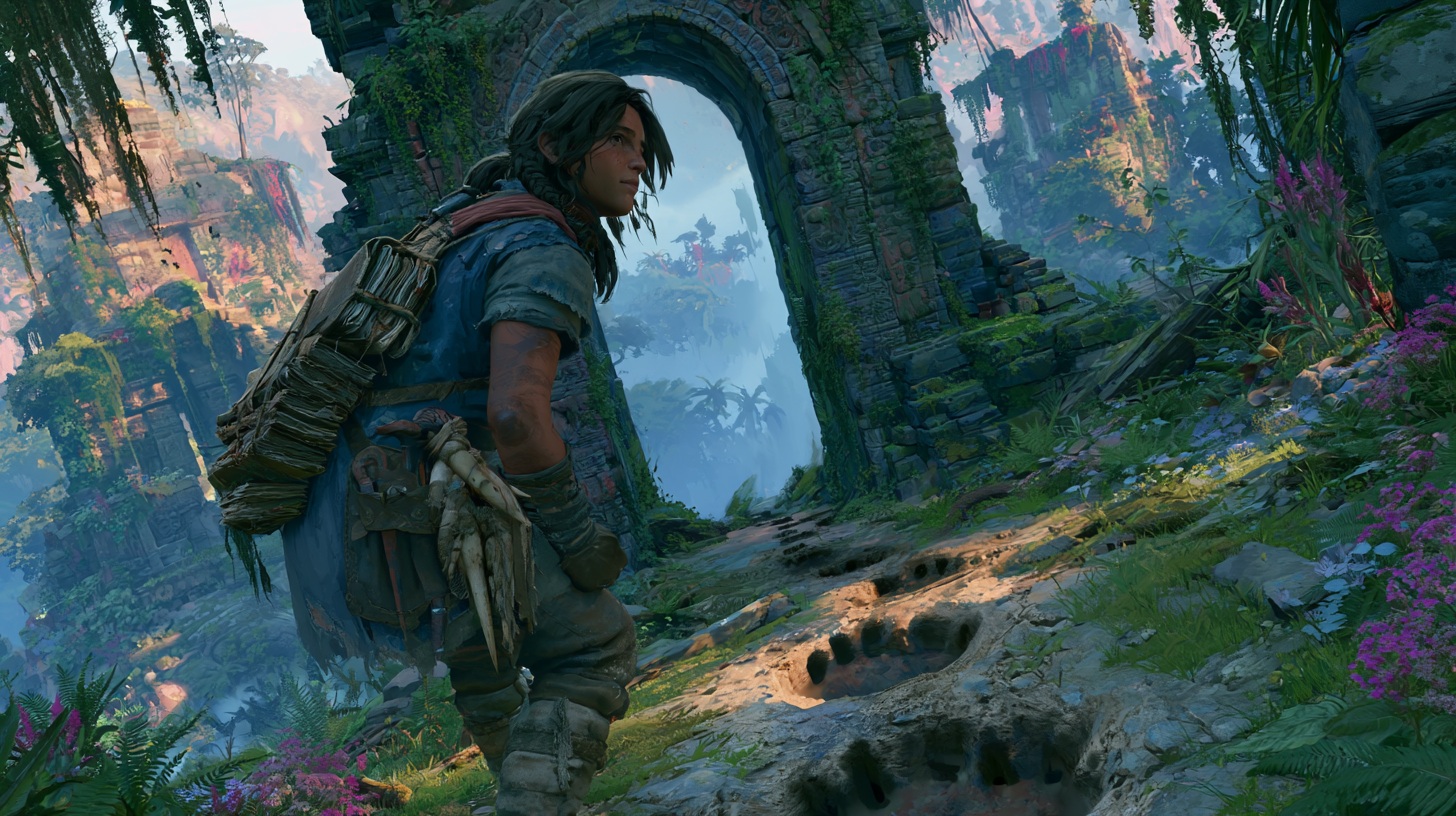
Trophy Hunter
Big Game
“That skull over the fireplace isn't there because I killed the beast. It's there because twenty three scholars told me the beast didn't exist.”
Most people encounter the extraordinary only in stories.
The Trophy Hunter brings back proof.
A fang hanging above a hearth. A scale preserved in a display case. A fragment of an impossible machine recovered from a forgotten ruin. A page torn from the journal of an expedition that never returned. Such objects rarely possess great monetary value. Many are worthless to merchants. Yet to the Trophy Hunter, they represent something far more important.
Evidence.
Evidence that the world is larger, stranger, and more dangerous than most people realize.
The profession exists at the intersection of exploration, scholarship, survival, and obsession. Some Trophy Hunters pursue dangerous creatures. Others seek ancient ruins, lost expeditions, forgotten civilizations, mysterious constructs, or unexplained phenomena. The target matters less than the motivation. They are driven by a desire to find what others have only heard about and return with undeniable proof.
Stories are common.
Proof is rare.
This distinction shapes the profession's worldview. Trophy Hunters learn quickly that rumors often contain fragments of truth hidden beneath exaggeration. A village tale about a monster may conceal evidence of an undiscovered species. A legend about a haunted ruin may originate from misunderstood technology. A sailor's impossible story may contain clues to a genuine mystery.
As a result, Trophy Hunters develop unusual listening habits.
They pay attention when ordinary people dismiss something as nonsense. They collect rumors. They compare accounts. They maintain journals filled with observations that outsiders often consider irrelevant. Many of history's greatest discoveries began as stories intelligent people were certain could not possibly be true.
The work demands patience as much as courage.
Popular imagination tends to focus on the dramatic moments. The confrontation with a monstrous predator. The discovery of a lost city. The recovery of a priceless relic. Those moments certainly occur, but they are rare. Most expeditions consist of tracking signs, interpreting clues, studying environments, and following evidence that may or may not lead anywhere useful.
A skilled Trophy Hunter spends far more time investigating than fighting.
This expertise creates a deep appreciation for details. A broken branch, unusual footprint, damaged stone, discarded tool, or unfamiliar marking may reveal more than an entire conversation. The profession rewards careful observation because extraordinary discoveries often announce themselves quietly. The difference between success and failure frequently comes down to noticing something everyone else ignored.
Years spent pursuing such mysteries leave lasting marks.
Many Trophy Hunters become collectors by nature. Some preserve trophies. Others maintain sketches, journals, maps, specimens, or records. They understand that memory is unreliable and stories change with repetition. Physical evidence matters. The trophy itself becomes part of the discovery. It allows future generations to examine what was found rather than simply trusting the account of the person who found it.
This perspective often pushes Trophy Hunters toward scholarship whether they intend it or not.
A preserved claw raises questions about anatomy. A fragment of machinery invites investigation into its purpose. A ruined structure suggests a forgotten culture. The deeper one explores mysteries, the more necessary knowledge becomes. Many Trophy Hunters eventually acquire expertise in history, archaeology, natural philosophy, engineering, cartography, or related fields simply because their pursuits demand it.
Not all discoveries are beneficial.
Some mysteries remain hidden for good reasons.
Experienced Trophy Hunters understand this better than most. They have seen ruins that should remain sealed, creatures better left undisturbed, and relics whose existence creates more problems than it solves. Curiosity opens doors. It does not guarantee what waits beyond them will be welcome.
This reality creates a tension within the profession. Trophy Hunters are driven by the urge to discover, yet survival depends upon recognizing when discovery carries unacceptable risks. Some learn caution. Others do not. The world contains no shortage of memorials to explorers who believed one more step would be safe.
Even so, the pursuit continues.
The horizon always hides another mystery. Somewhere beyond the next mountain, beneath the next ruin, within the next forgotten valley, or at the end of the next impossible story lies something unknown. Most people are content to hear about such things secondhand.
The Trophy Hunter is not.
They need to see it themselves.
And if they return carrying proof, all the better.
After all, the greatest trophy is not the fang, the relic, or the preserved specimen.
It is being able to place it on a table, watch the skeptics gather around, and say, "I told you it was real."
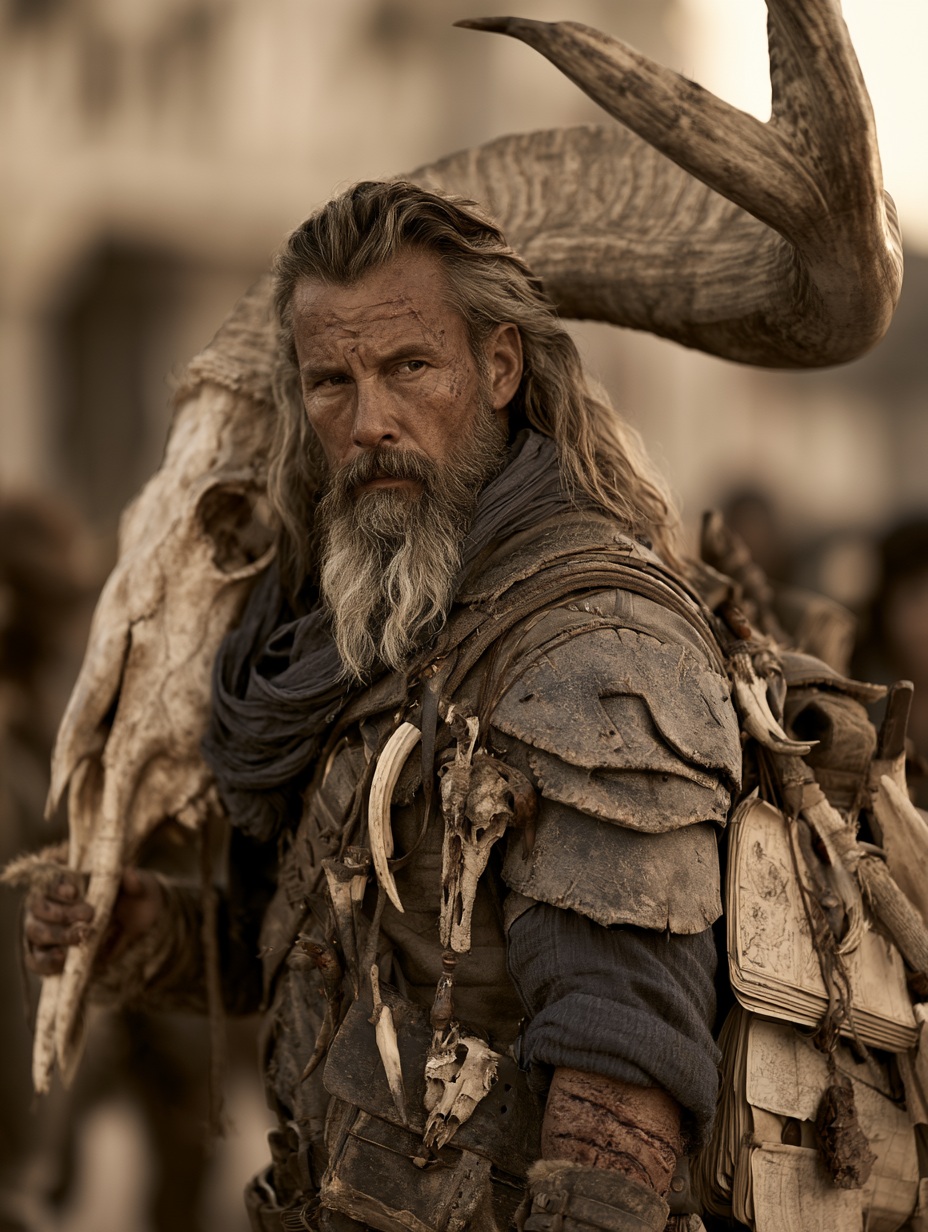
“Every trophy on my wall represents a lesson. Some taught me where to strike. Most taught me when to run.”
Type
Hunting



Comments