


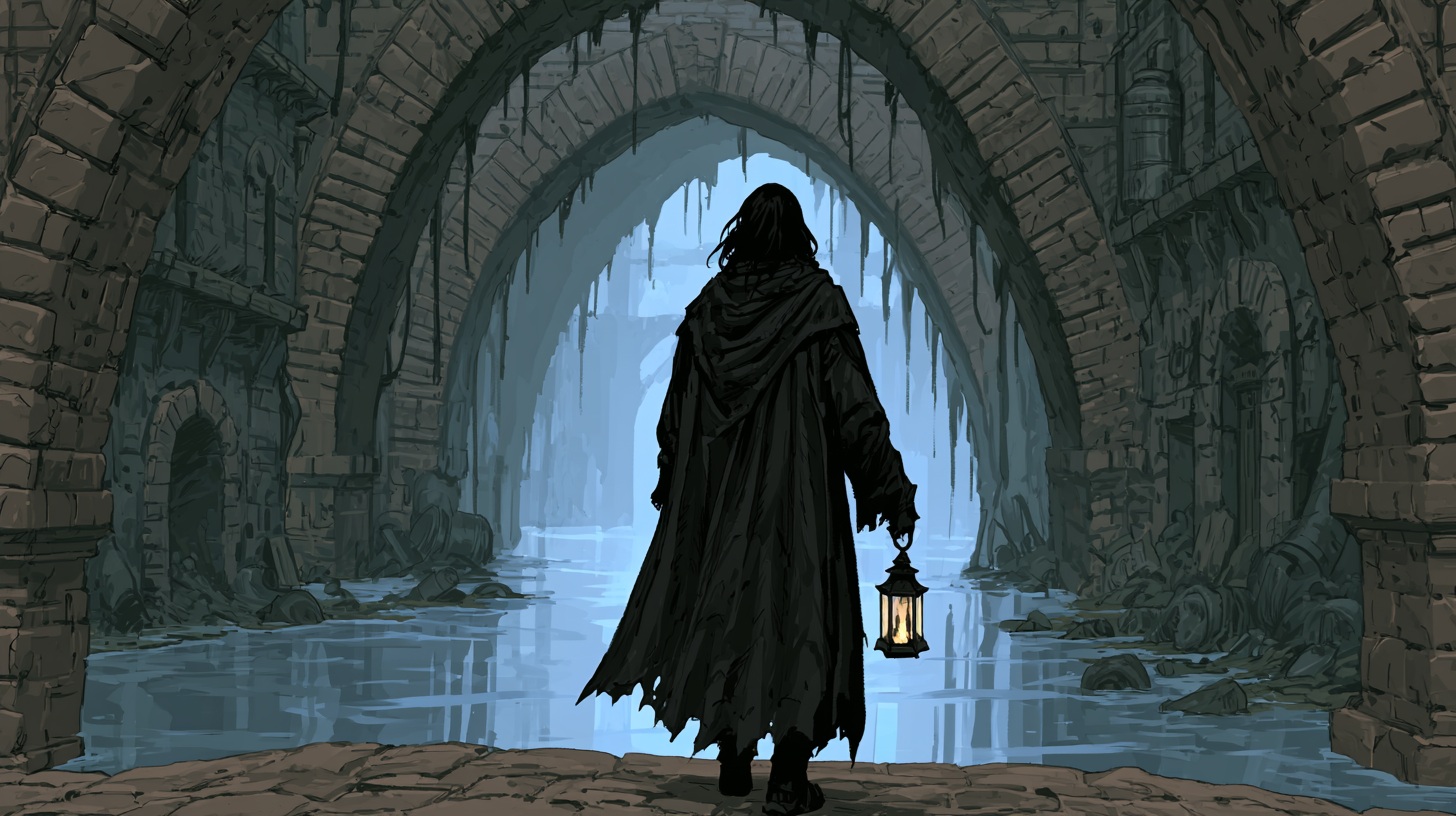
Tosher
I Don't Want To Know Where You Got That
“The city archives claimed the tunnel never existed. The tunnel disagreed, and unlike the archives, it was still there.”
Most people pay attention to what a city becomes.
Toshers pay attention to what it leaves behind.
Every settlement accumulates layers. Streets are widened. Buildings are demolished. Tunnels collapse. Records disappear. Districts are abandoned. Entire communities fade from memory while new ones rise above them. To most people, these forgotten places are little more than debris.
To a tosher, they are archives.
A discarded ledger can reveal more about a city's history than a monument. A forgotten tunnel can outlast the government that built it. A broken sign, buried foundation, or hidden passage may preserve truths that official records no longer acknowledge.
The profession takes many forms. Some toshers are scavengers searching for anything of value among the discarded remnants of civilization. Others serve as guides through sewers, storm drains, tunnels, ruins, and forgotten infrastructure. Some become investigators, smugglers, historians, treasure hunters, laborers, or explorers. Many move between these roles throughout their lives.
What unites them is perspective.
Most people see refuse.
A tosher sees evidence.
Years spent navigating neglected places teach unusual habits. Toshers develop a keen awareness of how settlements function beneath the surface. They learn where things accumulate, where secrets are hidden, where contraband moves, where records disappear, and where people go when they do not wish to be found.
Nothing truly vanishes.
It merely ends up somewhere most people never think to look.
This understanding often places toshers at odds with official narratives. Governments prefer clean histories. Powerful people prefer forgotten mistakes. Institutions frequently present themselves as orderly and permanent.
The tunnels below tell a different story.
There, beneath thriving streets and respectable buildings, lie traces of previous failures. Abandoned projects. Collapsed districts. Erased communities. Forgotten crimes. Secret routes. Hidden caches. Evidence of lives and events that somebody preferred not to remember.
A tosher learns that every city possesses ghosts.
Most are not supernatural.
Many discoveries are mundane. Lost property. Hidden supplies. Contraband forgotten by its owners. Documents misplaced decades ago. Yet even small finds reveal patterns. People hide the same things in the same places. Fear leaves recognizable marks. Desperation follows predictable routes.
Experience teaches where to look.
More importantly, it teaches when something feels wrong.
A recently disturbed wall. Fresh debris in an abandoned tunnel. Signs of traffic through a supposedly forgotten passage. Missing records where records should exist. Evidence that somebody has been quietly altering the landscape of memory.
Such clues often lead to larger discoveries.
In lands scarred by the Shattering, the profession becomes even more valuable. Entire roads vanished. Settlements collapsed. Districts were abandoned and later built over. Archives disappeared. Communities became isolated from one another for generations. The result is a world layered with forgotten history.
Beneath one town may lie another.
Beneath that town may lie something older still.
Toshers frequently become accidental historians because forgotten places preserve information unavailable anywhere else. A ruined foundation might reveal a settlement omitted from surviving maps. A sealed chamber may contain records thought destroyed. A hidden route can explain mysteries that scholars debated for generations.
The past leaves traces.
The challenge is recognizing them.
This work cultivates a particular kind of curiosity. Toshers become fascinated by locked doors, sealed passages, buried structures, and unanswered questions. Every concealed space suggests a story. Every forgotten object invites investigation.
Sometimes this habit proves useful.
Sometimes it proves dangerous.
Many toshers discover things they were never meant to find. Evidence of old crimes. Hidden smuggling routes. Political secrets. Lost treasures. Forgotten shrines. Proof that local legends were true. Signs that abandoned places are not as abandoned as they appear.
Such discoveries rarely remain simple for long.
Yet most continue searching.
Because once you learn how much history lies hidden beneath the surface, it becomes difficult to stop looking.
Most people build civilizations.
A tosher learns what falls through the cracks.
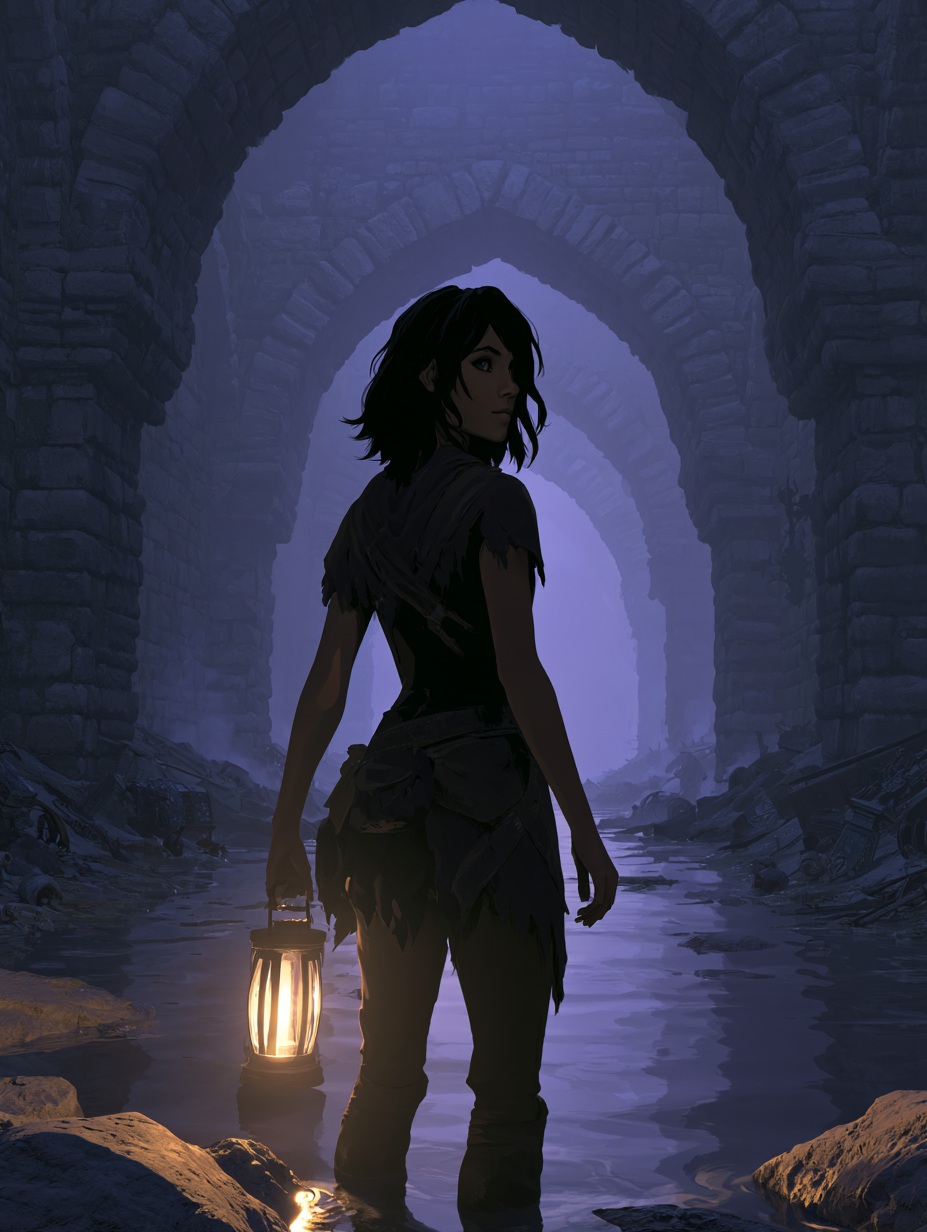
“People bury treasures because they fear thieves. They bury secrets because they fear historians. I have made a living finding both.”
Type
Sanitation



Comments