


Spare

Kingdom of Longing

“My brother inherited the crown. I inherited the education required to wear it if he died. It took me twenty years to realize those were not the same thing.”
— King Alaric IV, reflecting upon his youth
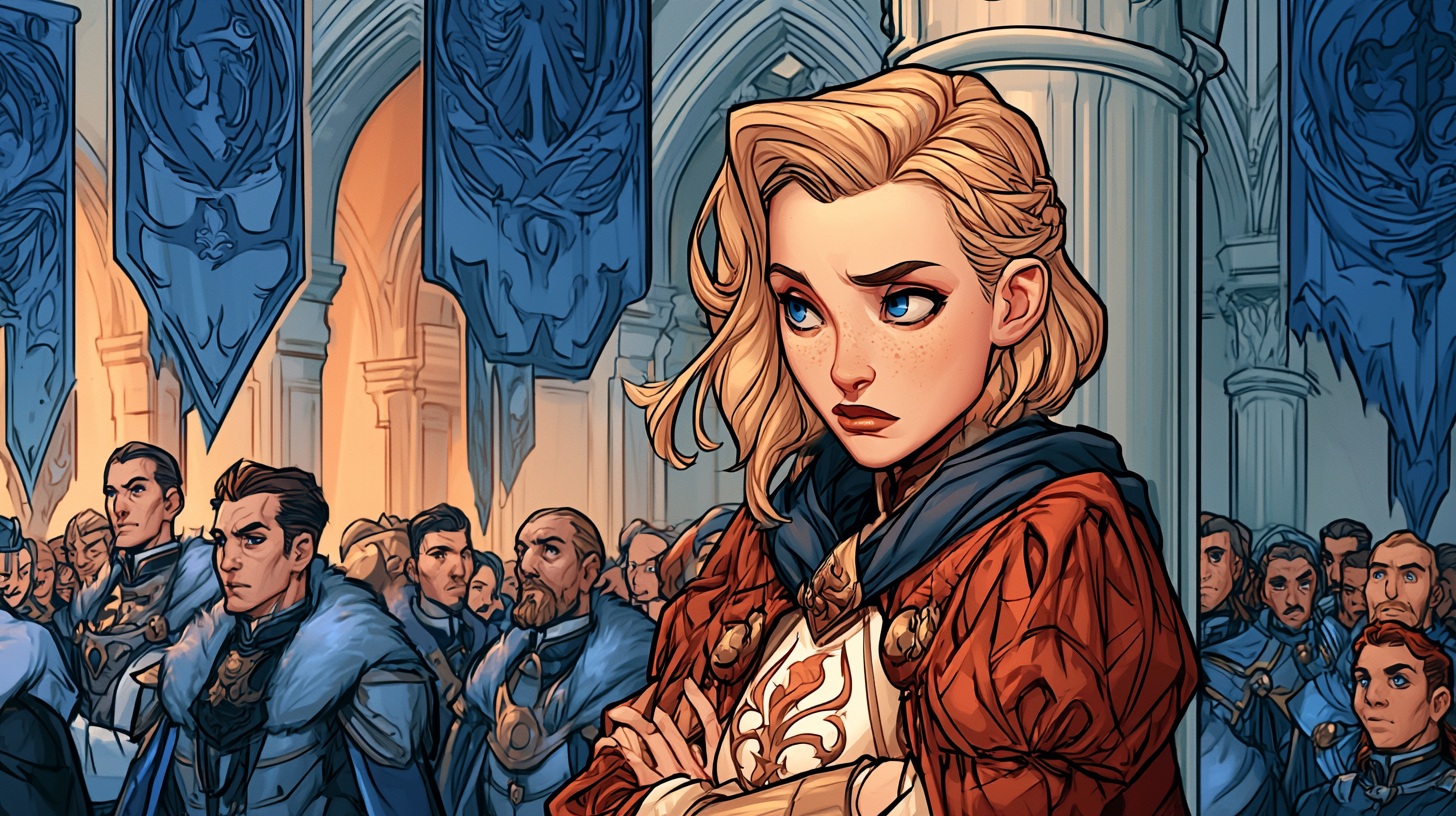
Most people are raised with some expectation of what their future will be. A family trade, a title, a position, an inheritance, a responsibility waiting for them when they come of age. Your future seemed clear as well, at least from the outside.   The difference was that it belonged to someone else first.   Whether you were the younger child of a noble family, the second apprentice of a renowned master, the reserve candidate for a religious office, or the junior partner in a powerful enterprise, your life was shaped by a possibility rather than a certainty. If circumstances demanded it, you would be ready to step forward. If everything went according to plan, however, your moment might never come.   That uncertainty shaped every aspect of your upbringing. While others prepared for lives they expected to inherit, you prepared for a future that might never belong to you at all. Families, institutions, and mentors invested years in your education because history is filled with examples of succession plans collapsing without warning. Illness, war, scandal, disaster, ambition, and simple bad luck have elevated overlooked successors into positions of tremendous responsibility countless times before. If such a moment ever arrived, you were expected to be ready.   As a result, many spares receive an education remarkably similar to that of those standing ahead of them. You learned the responsibilities attached to positions you did not yet hold. You studied leadership, administration, diplomacy, finance, warfare, theology, scholarship, or whatever disciplines your expected role required. You attended meetings, observed decisions, listened to debates, and absorbed lessons intended to prepare you for a future that always seemed close enough to matter but distant enough to remain uncertain.   Living in another person's shadow teaches unusual lessons. You learn to support without overshadowing. You learn to remain capable without becoming indispensable. You learn to prepare for opportunities that may never arrive while watching someone else occupy the place for which you have been trained. Over time, many spares develop a perspective unavailable to either leaders or ordinary followers. They understand power intimately without necessarily possessing it themselves.   This position often makes spares unusually perceptive observers. While those destined to inherit authority may become consumed by immediate responsibilities, a spare frequently has the freedom to observe the larger system. They notice relationships, rivalries, expectations, and vulnerabilities that others overlook. They learn that authority rarely functions as neatly as institutions claim. They discover that influence often belongs to advisors, confidants, deputies, family members, and trusted retainers whose names never appear in official records.   Many spares also develop a complicated relationship with ambition. Some become fiercely determined to prove their worth independent of inheritance or circumstance. Others embrace the freedom that comes from not carrying the full burden of expectation. Still others spend years wrestling with resentment, guilt, loyalty, or uncertainty as they struggle to define themselves apart from the role others prepared them to fill.   The person standing first in line often serves as both companion and obstacle. Some spares grow deeply attached to those ahead of them, recognizing that affection and rivalry can coexist within the same relationship. Others find themselves trapped between loyalty to family and a private desire for opportunities that can only arrive through another person's misfortune. Such emotions are rarely discussed openly, yet they shape many lives spent waiting in the wings.   In lands scarred by the Shattering, the role of the spare has become even more significant. Kingdoms have fallen unexpectedly. Noble houses have vanished overnight. Guilds, temples, and institutions that seemed eternal have collapsed within a single generation. In such uncertain times, prepared successors often become essential. Communities that survive catastrophe frequently do so because someone unexpected was ready to step forward when leadership disappeared.   Yet the greatest challenge facing most spares has little to do with inheritance. Eventually, every spare must confront a difficult question. If the future they prepared for never arrives, who will they become instead?   Some spend their lives waiting for an opportunity that never comes. Others abandon expectations entirely and forge new paths for themselves. Many discover that the years spent preparing were not wasted, even if they never inherit the position for which they were trained. Leadership, discipline, judgment, knowledge, and responsibility remain valuable regardless of whether a title ever follows.   Preparation, after all, is not the same thing as destiny.   A spare may spend years learning how to become someone else's replacement.   Sooner or later, they must decide who they wish to become for themselves.
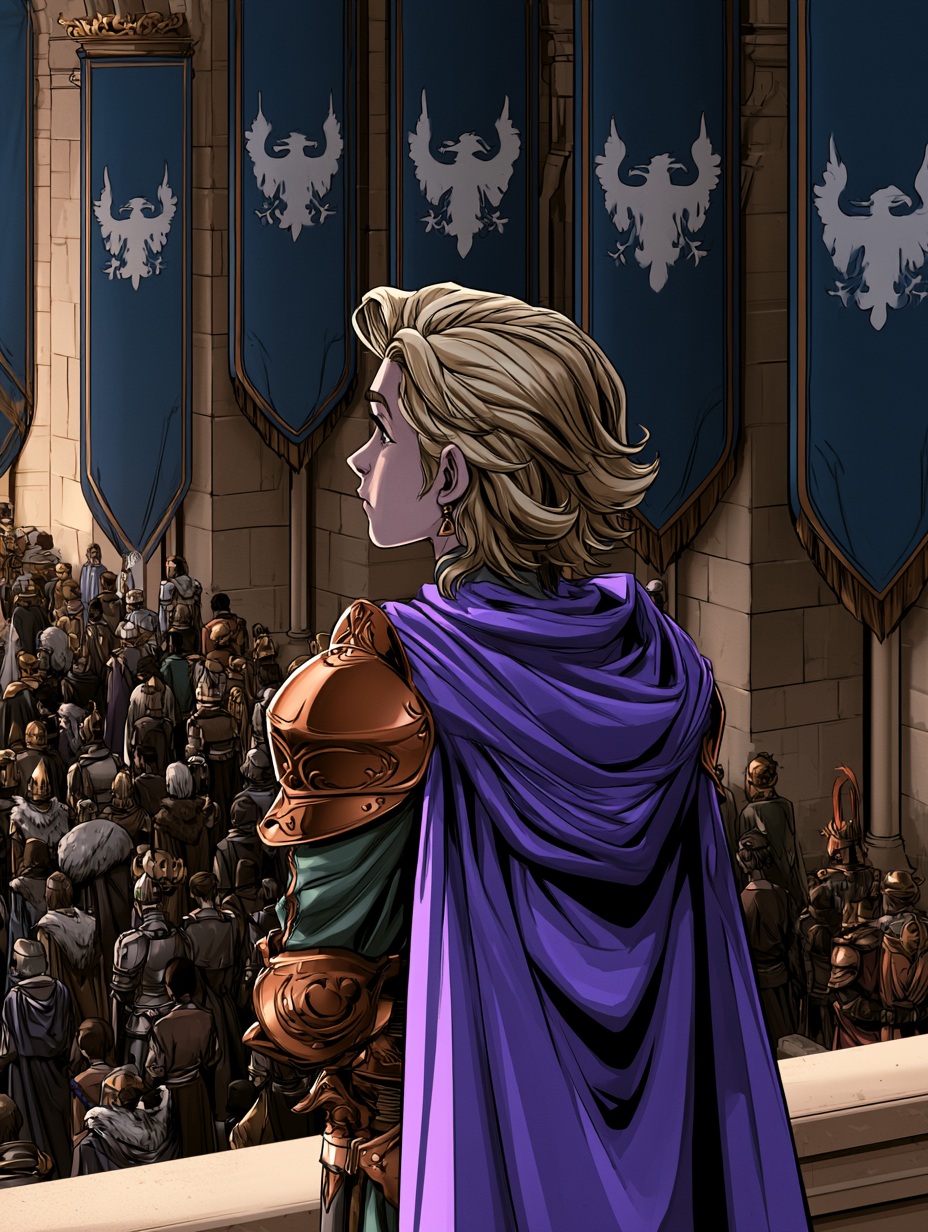
“The heir spent his life preparing to become someone. The spare spent hers life deciding whether she already was.”
— From On Succession and Character by Scholar Meredin Vale
Type
Political

Spare

Overview:
Most people are raised with some expectation of what their future will be. A family trade, a title, a position, an inheritance, a responsibility waiting for them when they come of age. Your future seemed clear as well, at least from the outside.   The difference was that it belonged to someone else first.   Whether you were the younger child of a noble family, the second apprentice of a renowned master, the reserve candidate for a religious office, or the junior partner in a powerful enterprise, your life was shaped by a possibility rather than a certainty. If circumstances demanded it, you would be ready to step forward. If everything went according to plan, however, your moment might never come.   That did not stop your education.   You learned the duties attached to positions you did not hold. You studied responsibilities that were not yet yours. You were taught how to lead, advise, manage, negotiate, command, or govern because someone believed that one day those skills might be needed. The future was always close enough to prepare for, yet distant enough to remain uncertain.   Living in the shadow of another person's destiny teaches unusual lessons. You learn how to support without overshadowing. How to remain capable without becoming indispensable. How to be ready for opportunities you may never receive. Most importantly, you learn that preparation and purpose are not the same thing.   Years spent waiting for a future that might never arrive taught you something important.   A person cannot build their entire identity around someone else's future.   Sooner or later, they must decide what future belongs to them.
Skill Proficiencies: Insight, History
Tool Proficiencies: Choose one: Calligrapher's Supplies, one Gaming Set, or one Musical Instrument
Languages: One of your choice
Equipment:
A symbol of the position you were once expected to support or inherit, a collection of lessons, notes, or instructions prepared for your education, a set of fine clothes, a personal keepsake connected to your family, mentor, or institution, and a pouch containing 10 gp.
Features:

Waiting in the Wings

Years spent preparing for responsibilities that were never entirely yours taught you to recognize people living beneath expectations that have not yet become reality.   In noble courts, guilds, temples, military organizations, businesses, academic institutions, and similar hierarchies, you can usually identify heirs, deputies, protégés, understudies, successors, junior partners, and others being prepared for futures that have not yet arrived.   You can often determine who bears responsibilities without corresponding authority, who is expected to step forward if circumstances change, who is quietly being prepared for greater duties, and whose identity has become closely tied to expectations others have placed upon them.   The DM determines what information is available and how it may be discovered.
Suggested Characteristics: Spare heirs often develop unusual relationships with ambition, responsibility, and identity. Some embrace the freedom that comes with not being first in line. Others struggle to escape expectations they never chose. Most learn to think carefully about the difference between preparing for a role and becoming a person.

What Kept You Waiting?

d6Circumstance
1The person ahead of you was exceptionally capable.
2The opportunity everyone expected never arrived.
3Tradition demanded patience regardless of merit.
4Events took a path nobody anticipated.
5You eventually chose a different life for yourself.
6You are still waiting to discover whether your preparations will ever matter.
 

What Did Waiting Teach You?

d6Lesson
1People reveal themselves when plans fail.
2A backup plan is only useful if someone prepares for it.
3Responsibility often arrives without warning.
4A title can be inherited, but character cannot.
5Not every path worth walking was chosen for you.
6A life spent waiting is still a life being lived.
Personality Trait:
d8Trait
1I pay close attention to people standing just outside the spotlight.
2I rarely assume today's leader will remain tomorrow's leader.
3I am comfortable stepping into responsibility when others hesitate.
4I instinctively prepare backup plans.
5I often wonder what people would become if expectations were removed.
6I remain calm when circumstances change unexpectedly.
7I respect people who build lives of their own rather than relying on inheritance.
8I find it easy to relate to those living in someone else's shadow.
Ideal:
d6Ideal
1Self-Determination. No one else's future should define my life. (Any)
2Duty. Preparation is a responsibility, even if the day never comes. (Lawful)
3Freedom. Expectations should not become chains. (Chaotic)
4Adaptability. Life rarely follows the plans people make for it. (Any)
5Stewardship. Important responsibilities deserve capable successors. (Lawful)
6Purpose. Every person must discover their own path eventually. (Good)
Bond:
d6Bond
1My family invested years preparing me for responsibilities I may never inherit.
2The person ahead of me in line remains one of the most important people in my life.
3I abandoned a future others expected me to embrace.
4Someone once sacrificed their own ambitions to create opportunities for me.
5I still carry responsibilities tied to a role I no longer expect to hold.
6I am determined to prove my worth on my own merits.
Flaw:
d6Flaw
1I sometimes define myself through comparison to others.
2I struggle to commit fully to long-term plans.
3I often assume there is another, more important person who should be making decisions.
4I have difficulty separating duty from personal desire.
5I can become resentful of people whose paths seem obvious.
6I sometimes wait too long for permission to pursue what I truly want.

Comments

Please Login in order to comment!
Powered by World Anvil