



Sins of the Father
Innocent Ire
"I pay for what they did. Whether I want to or not."
There are names that carry honor, and there are names that carry consequence.
A person marked by the sins of the father does not inherit power in the usual sense. They inherit memory, and not their own. A legacy built through actions they did not take, decisions they did not make, and damage they did not cause still follows them into every room. That distinction means very little to those who remember what was done.
Infamy does not fade cleanly. It settles into places, into records, stories, and quiet conversations that continue long after the events themselves have passed. When a name becomes tied to cruelty, corruption, or betrayal, it stops belonging solely to the individual who earned it. It becomes something others use to explain what went wrong and who is to blame.
That name carries forward.
A child of such a figure enters the world already defined. Recognition comes quickly, sometimes before introductions are made. A resemblance is noted, a surname is spoken with hesitation, and the tone of a conversation shifts without explanation. Distance forms in small ways that are difficult to challenge and even harder to undo.
Some respond with open hostility, while others choose caution or quiet contempt. Opportunities close without being offered, and assistance becomes conditional in ways that are rarely acknowledged. Trust, when it appears at all, is fragile and easily withdrawn.
These reactions are not always deliberate. For many, they are instinctive responses to something unresolved, something that never fully settled when the original harm was done. Even those who understand that guilt is not inherited often act as though it might be.
At the same time, infamy alters expectation.
Where a respected name grants authority, a condemned one removes it. The individual is dismissed, overlooked, or treated as incapable of consequence. Responsibility is withheld, and influence is denied. In many cases, this creates a different kind of freedom that others do not recognize.
A person who is not taken seriously is rarely examined closely. Conversations continue in their presence with less care, and plans are discussed under the assumption that they do not matter. Underestimation becomes constant, and in the right circumstances, it becomes useful.
This advantage does not come without cost.
Living under such a legacy creates a pressure that does not ease with time. Every interaction carries the possibility of recognition, and every attempt to establish an independent identity meets resistance, whether subtle or direct. The effort required to be judged on individual merit is greater, and the outcome is never guaranteed.
Some choose to conceal their name, while others confront it directly and accept what follows. A few attempt to reshape its meaning through action, believing that time and persistence can alter what others remember. Each path demands something different, and none of them offer certainty.
The past remains fixed, but the response to it does not. A name may carry weight, but it does not dictate every outcome. What defines a person in the end is not the legacy they inherit, but how they choose to live with it and whether they allow it to limit what they become.
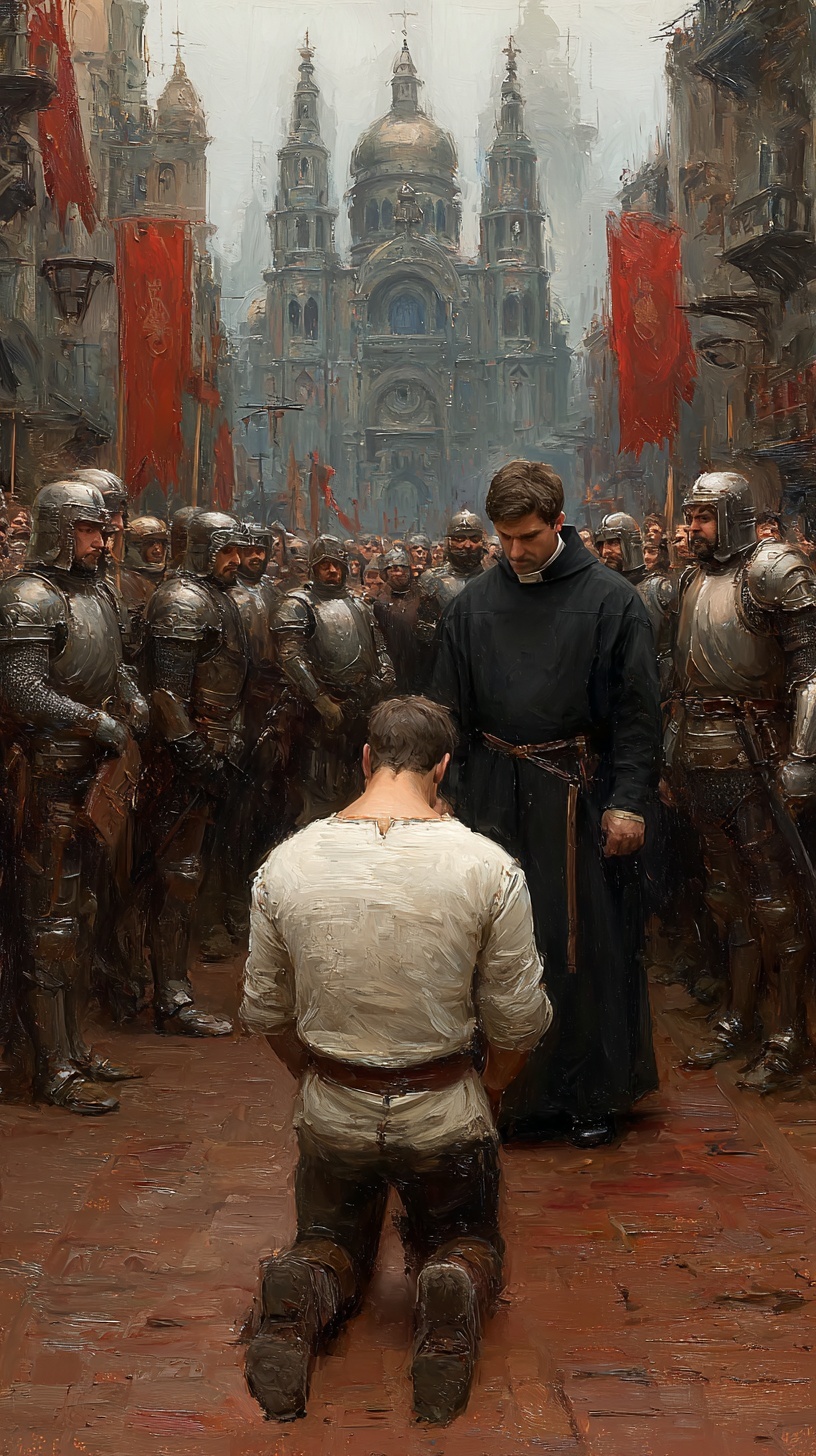
“The'll look at you and see a verdict already passed. It never matters what you say after that.”



Comments