


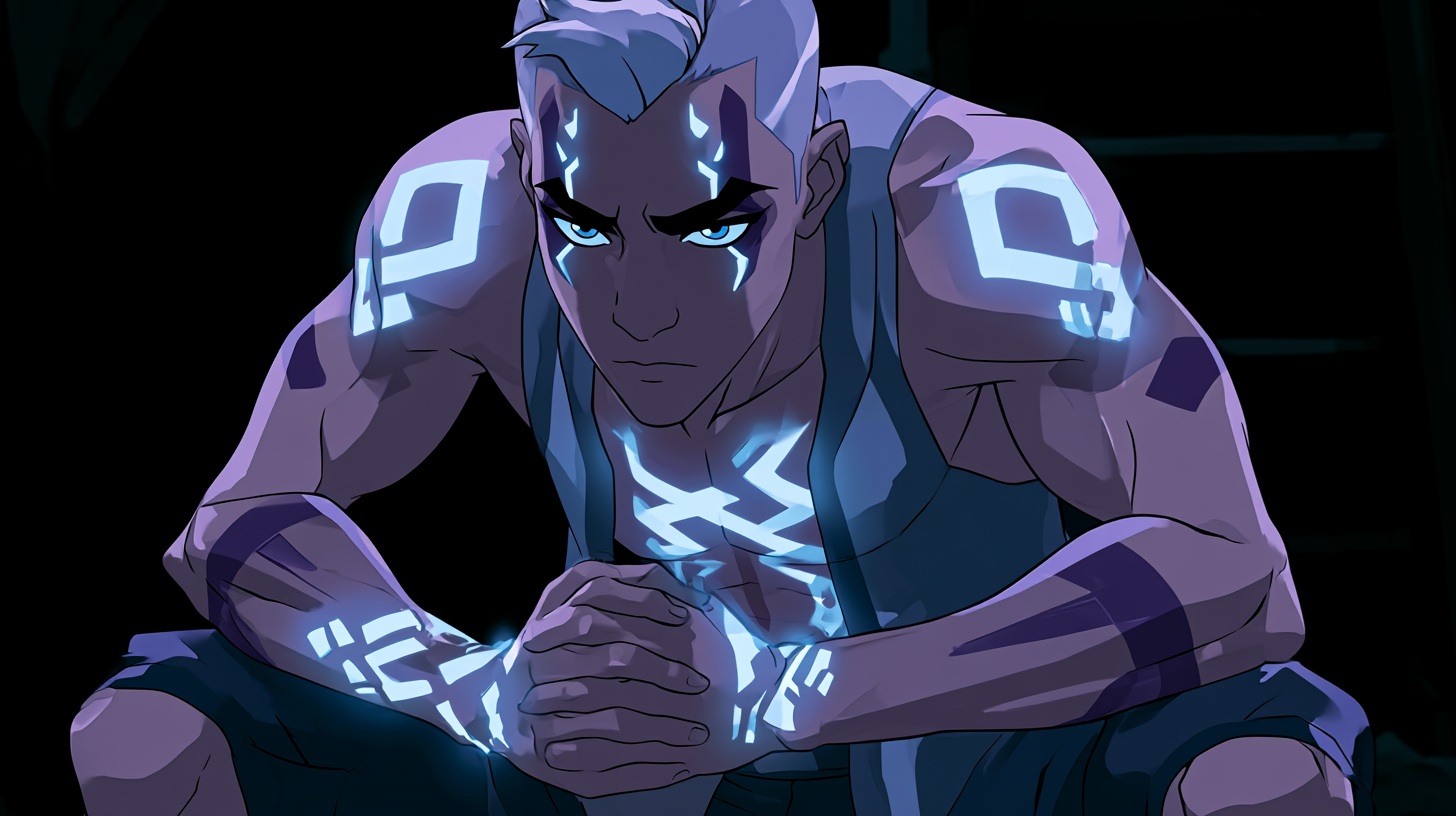
Redeemed Villain
A Hidden Hero
“Strange thing, forgiveness. I spent twenty years believing it was something I needed from others. It turns out it was the one thing I could not accept from myself.”
Most stories end when the villain is defeated.
The dragon dies. The tyrant falls. The pirate is hanged. The warlock is cast down. The bandit chief is dragged before a magistrate. The audience applauds, the heroes celebrate, and the world moves on.
Real life is rarely so accommodating.
Sometimes the villain survives.
Sometimes they change.
That possibility makes people deeply uncomfortable.
Most societies understand punishment. Many understand revenge. A surprising number understand forgiveness. Redemption, however, occupies a strange and unsettling place between all three. It demands something difficult from everyone involved. The wrongdoer must acknowledge what they have done. Their victims must decide how they wish to respond. The wider world must confront the possibility that people are not as fixed as they would prefer to believe.
Many would rather avoid the question entirely.
The Redeemed Villain has no such luxury.
They carry their past everywhere.
Perhaps they once commanded soldiers who burned villages in the name of law and order. Perhaps they extorted merchants, smuggled contraband, led pirates, enforced cruel policies, or spread dangerous doctrines that left suffering in their wake. Some committed atrocities knowingly. Others convinced themselves they were serving a greater cause. A few spent years believing they were the heroes of their own stories until reality finally shattered the illusion.
The moment of change differs for everyone.
A single act of unexpected mercy.
A battlefield filled with consequences.
A betrayal by the people they trusted.
The realization that victory felt far worse than defeat.
Sometimes there is no revelation at all. Only exhaustion. The gradual recognition that the path ahead leads somewhere they no longer wish to go.
The choice to change is often the easiest part.
Living with it is considerably harder.
Former villains discover quickly that redemption does not operate like a transaction. There is no fixed amount of good that balances a specific quantity of evil. No authority exists to stamp a certificate and declare the matter settled. The damage remains. The dead remain dead. The frightened remain frightened. The people harmed by past actions are under no obligation to accept apologies.
This frustrates many would be reformers.
It should.
Because redemption is not about deserving forgiveness.
It is about becoming someone worthy of it.
Some Redeemed Villains dedicate themselves to restitution. They quietly support communities they once harmed. They use former criminal contacts to dismantle organizations they once served. They spend years repairing damage nobody else remembers they caused. Most never receive recognition for these efforts.
Many prefer it that way.
Public praise feels strange when measured against private guilt.
Yet guilt itself presents dangers.
Those seeking redemption often become trapped by the belief that suffering and atonement are identical. They deny themselves happiness. They sabotage friendships. They reject opportunities for peace because part of them remains convinced punishment is still owed. Such people can spend decades serving others while refusing to believe they have changed at all.
Others struggle with different temptations.
Power leaves marks.
A former tyrant remembers how effective fear can be. A former crime lord remembers how quickly problems disappear when threats enter the conversation. A former assassin remembers that some obstacles can be removed permanently. The methods that built their old life remain available.
The challenge is choosing not to use them.
Every day.
Former allies often complicate matters further. Criminal organizations do not appreciate retirements. Cults rarely celebrate defections. Corrupt officials prefer silence from those who know too much. Many Redeemed Villains discover that the people most determined to drag them backward are the ones who benefited from who they used to be.
Equally troubling are the people who refuse to believe change is possible.
Their skepticism is understandable.
A village that suffered under a cruel governor may not care that he found his conscience twenty years later. A widow whose husband died because of a pirate raid may find redemption narratives deeply unconvincing. Some wounds simply run too deep.
The Redeemed Villain learns to live with this.
Not everyone should forgive them.
Not everyone can.
The goal is not universal acceptance.
The goal is becoming better than they were yesterday.
For all the hardship involved, there is something profoundly hopeful about the existence of Redeemed Villains. They stand as living evidence that people are not solely defined by their worst choices. They prove that transformation remains possible even after terrible mistakes. They remind the world that morality is not merely about avoiding evil but recognizing it within oneself and choosing another path.
Whether the world believes them is another matter entirely.
Because somewhere out there remains a wanted poster, a survivor, a former accomplice, a grieving family, or an old enemy who remembers exactly who they used to be.
And every morning, the Redeemed Villain wakes up and decides once again not to become that person.
“The man who entered this city deserved the gallows. The man who leaves it deserves a future. The tragedy is that they share the same face.”
Type
Political



Comments