


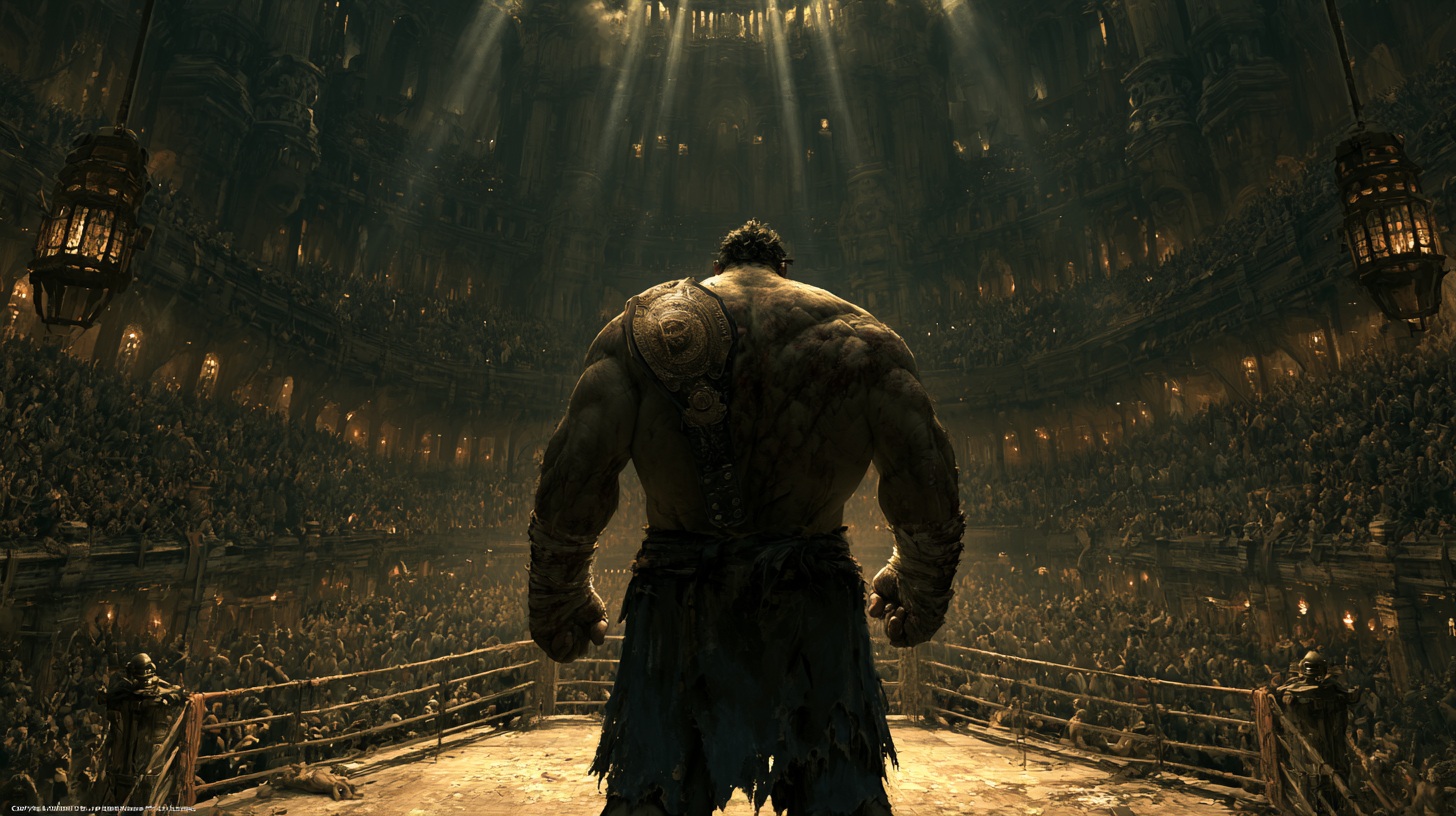
Prize Fighter
Cut My Eye!
“You don't hear the crowd, kid. Not after enough years. What you hear is every version of yourself that lost, standing just outside the ropes, asking if you're finally done embarrassing them.”
Most people believe fighting is about violence.
The crowd certainly does.
They arrive carrying betting slips and strong opinions. They want blood, drama, upsets, rivalries, knockouts, redemption stories, and spectacular failures. They want certainty condensed into a few violent minutes. They want the comforting illusion that strength can be measured cleanly and that victory reveals something permanent about the people standing beneath the lanterns.
The crowd is usually wrong.
Because the Prize Fighter inhabits a strange little corner of civilization where applause becomes currency, pain becomes routine, and strangers decide your value by how long you can remain standing after another person has devoted months to knocking you down.
Welcome to the circuit.
A sprawling, noisy world of fighting halls, arenas, gambling dens, training yards, roadside tournaments, noble exhibitions, underground pits, and weather beaten rings assembled overnight from whatever timber happened to be available. Entire fortunes rise and collapse there. Rivalries become legends. Champions become cautionary tales.
And somewhere in the middle stands the fighter.
Not the version celebrated by spectators.
The real one.
The person waking before sunrise to train aching muscles. The person nursing injuries while pretending everything is fine. The person learning that discipline weighs far more than glory and lasts much longer. Prize Fighters quickly discover that success rarely belongs to the strongest competitor. It belongs to the one willing to endure repetition longer than everyone else.
The road creates unusual people.
Most fighters develop an instinctive ability to read character. Not reputation. Not status. Character. They watch how someone handles defeat. How they react to pressure. Whether they keep promises when nobody is watching. The ring strips away many forms of deception, and those who survive long enough inside it begin carrying that perspective into the rest of their lives.
Titles matter less.
Actions matter more.
This makes Prize Fighters strangely difficult to impress.
A noble may possess wealth. A priest may possess authority. A politician may possess influence. None of those things necessarily mean much to someone who has spent years learning that confidence and competence are entirely different qualities. Fighters tend to trust effort because effort is difficult to fake.
The profession surrounds itself with an enormous cast of supporting characters. Trainers who know exactly when encouragement becomes cruelty. Promoters who promise impossible futures. Gamblers convinced certainty exists in an uncertain world. Physicians who spend careers repairing damage ambitious people voluntarily inflict upon themselves.
Everyone depends on everyone else.
Everyone owes someone.
And somewhere nearby, somebody is always trying to collect.
The money complicates everything.
Crowds see competition. Bookmakers see mathematics. Criminal organizations see opportunity. Wealthy patrons see investments. Fighters see rent, food, equipment, travel expenses, and the uncomfortable reality that glory spends poorly compared to coin. Every arena eventually discovers that where enough money gathers, trouble arrives shortly afterward carrying a smile and a contract.
Veterans learn caution.
Some do not learn quickly enough.
The circuit is filled with stories about champions who lost fortunes, fortunes that lost champions, and matches remembered for reasons nobody involved wishes to discuss publicly. Every retired fighter knows at least one tale beginning with the phrase, "It seemed like a good idea at the time."
These stories rarely end well.
Yet most remain drawn to the life despite everything.
Because fighting offers something difficult to find elsewhere. Clarity.
The ring is honest.
Not fair. Not safe. Certainly not kind. Honest.
Preparation matters. Courage matters. Skill matters. Excuses matter very little. For a brief moment, the noise of ordinary life falls away. No politics. No inheritance. No social standing. No comforting lies about potential or destiny. Only two competitors and the consequences of their preparation.
That simplicity becomes addictive.
Perhaps that is why so many fighters struggle to leave.
The body eventually begins submitting formal complaints. Old injuries linger. Recovery slows. Reflexes become fractionally less reliable. Friends retire. Rivals disappear. New challengers arrive looking suspiciously young. Rational people recognize these signs and move on.
Prize Fighters are not always rational people.
Many spend years chasing one final championship. One final victory. One final chance to prove something they can never quite define. The crowd sees ambition. The fighter often sees something else.
A question.
The same question that haunted the first bout and the hundredth.
Am I still who I was?
That question waits quietly beneath every contest, every rivalry, every comeback attempt, and every retirement speech. It follows fighters long after the cheering stops. Long after the arena empties. Long after the final purse is spent.
Because the greatest opponent a Prize Fighter ever faces is rarely standing in the opposite corner.
It is the voice whispering that one more fight might finally be enough.
And somewhere, in some arena illuminated by lantern light and bad decisions, somebody is listening to that voice right now.
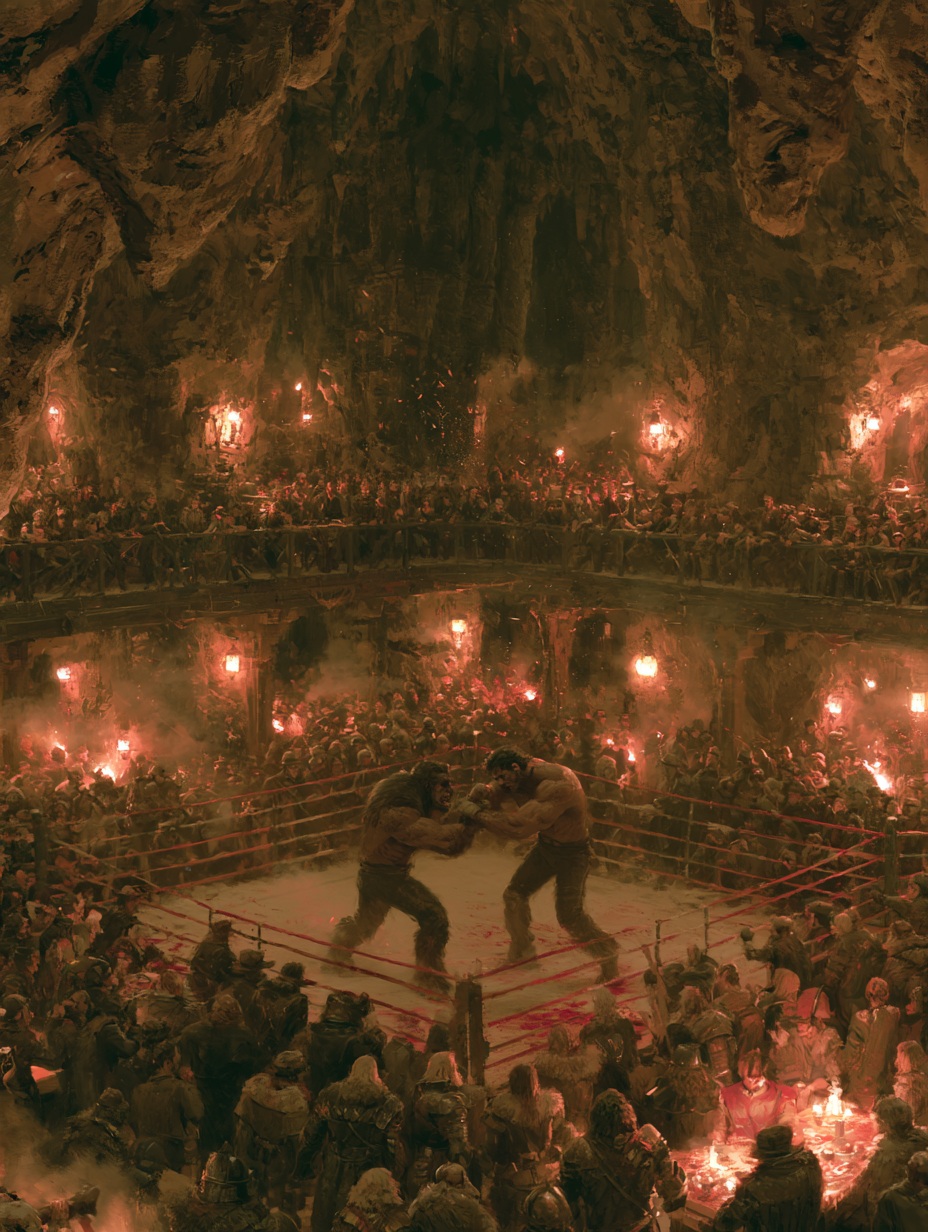
“I have broken bones, lost titles, buried rivals, and outlived three promoters. Yet somehow the hardest thing a man can do is hear the bell ring and admit he no longer belongs to it.”
Type
Athlete



Comments