


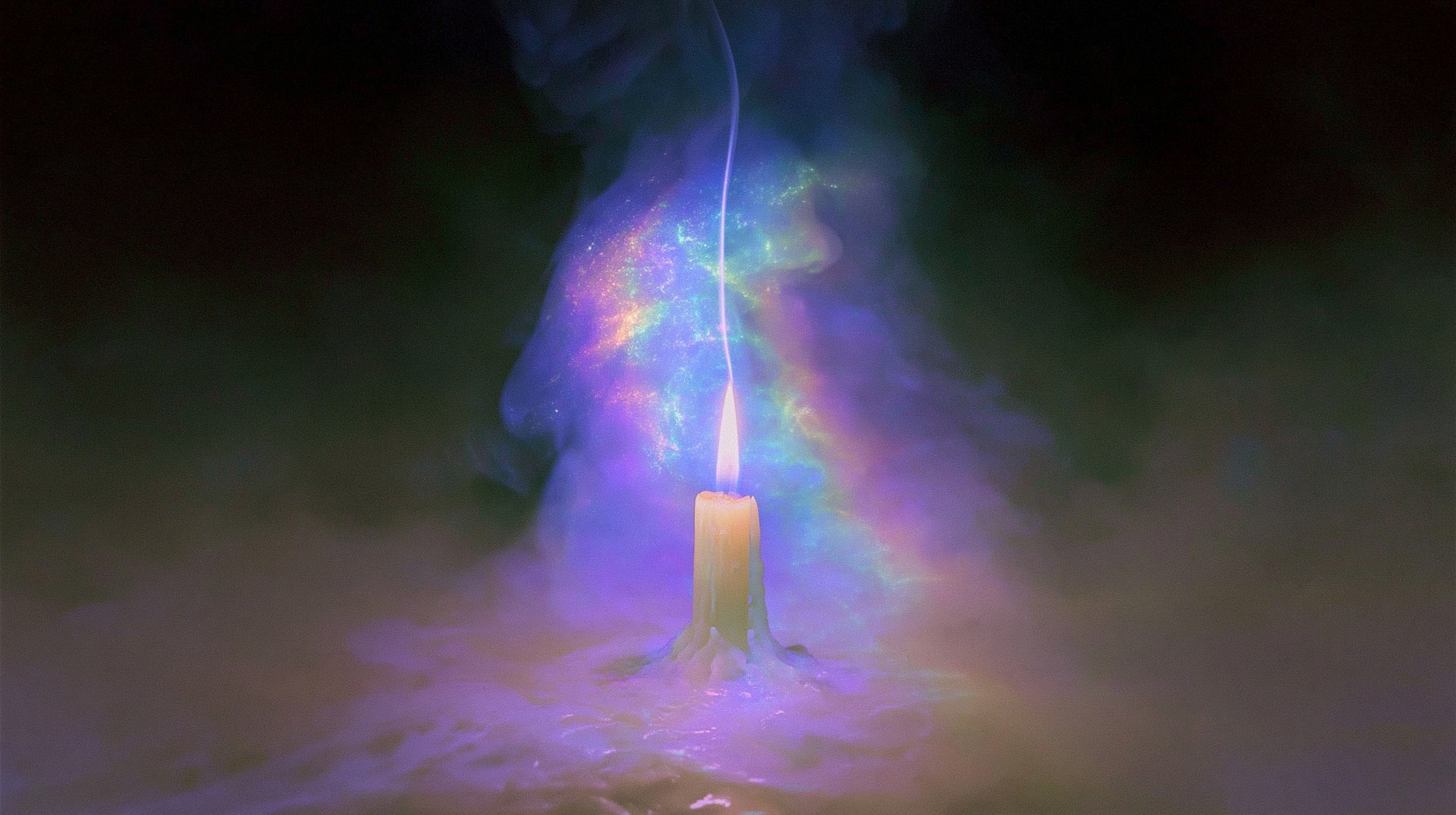
Prismatic Candle
The Colors! The Colors!
"People remember conversations. They remember music. They remember laughter. What they rarely realize is that they remember the light in which those things happened."
Few magical items alter the mood of a room as completely as the Prismatic Candle.
At first glance, it appears to be little more than a stout candle fashioned from unusually colorful wax. Ribbons of crimson, sapphire, emerald, amber, violet, and dozens of subtler hues spiral through its body, shifting almost imperceptibly beneath the surface whenever the candle is turned in one's hand. The true enchantment reveals itself only after the wick is lit. With a brief spoken choice of color, every source of illumination within the surrounding room adopts the selected hue as though the world itself had decided to wear a different light.
Unlike illusion magic, the candle changes neither the objects being illuminated nor the light's intensity. A white marble statue remains white marble. A crimson tapestry remains crimson. Yet both are viewed beneath whatever colored light the candle has imposed upon the room. Sunlight streaming through open windows, flames dancing within fireplaces, lanterns hanging from rafters, and even magical light conjured by spells all appear to burn with the chosen color until the candle is extinguished.
This simple enchantment has made the Prismatic Candle surprisingly popular among people whose livelihoods depend upon atmosphere rather than utility.
Theaters were among the first to embrace its use. Before the invention became widespread, changing the mood of an entire stage often required elaborate curtains, colored glass, or expensive magical effects. A single Prismatic Candle allowed a cheerful banquet hall to become an ominous crypt, a tranquil moonlit garden, or the fiery glow of a burning city simply by changing the color of the light filling the room. Directors quickly learned that audiences often responded emotionally to the lighting before a single actor spoke.
Artists and sculptors have likewise adopted the candle as a valuable tool. Viewing a painting beneath different colors of light reveals subtle interactions of shadow and composition that ordinary illumination may conceal. Portraitists occasionally invite patrons to inspect completed works beneath several colors before deciding whether the likeness truly captures the desired mood.
Taverns, inns, and restaurants have found more commercial applications. Wealthy establishments frequently illuminate dining rooms with warm amber or golden light during evening meals, while festivals may see entire halls bathed in vibrant greens, blues, or purples to celebrate local traditions. During weddings, birthdays, and civic holidays, decorators often coordinate the candle's color with banners, flowers, and ceremonial dress to create remarkably immersive celebrations.
Temples have discovered equally meaningful uses. Certain faiths conduct seasonal rites beneath deep violet light, while others reserve brilliant gold for holy days or rich crimson during ceremonies honoring sacrifice and remembrance. Because the enchantment affects every source of illumination within the sanctuary, even dawn sunlight pouring through stained glass becomes part of the ritual.
Less respectable organizations have proven no less inventive.
Smugglers sometimes use Prismatic Candles to indicate whether a safehouse remains secure, with different colors signaling different conditions to those who know the code. Secret societies have been known to conduct meetings beneath a distinctive hue recognizable only to initiated members. Certain gambling halls quietly change the room's color when influential patrons arrive, providing discreet notice to employees without alerting ordinary guests.
Scholars occasionally debate whether the candle's greatest contribution lies in magic or psychology. The physical world remains unchanged, yet those who spend hours beneath colored light often report subtle shifts in mood. A chamber washed in cool blue encourages quiet reflection. Deep red fills a room with energy and urgency. Emerald light lends ordinary spaces an uncanny sense of mystery, while soft amber creates warmth even within cold stone halls. Whether these responses arise from genuine enchantment or the ordinary workings of the mind remains uncertain.
The candle's limitations are as important as its strengths. Its magic remains confined to enclosed spaces, preventing entire landscapes from being transformed by a single flame. Likewise, the enchantment alters only the appearance of illumination rather than the objects themselves. A white rose does not become blue; it merely exists beneath blue light. This distinction has spared generations of painters, dyers, and tailors considerable disappointment.
Despite its modest power, the Prismatic Candle has become one of the most enduring magical conveniences produced by modern alchemy. It offers neither protection nor wealth, grants no supernatural strength, and reveals no hidden knowledge. Instead, it reminds its owner that even the simplest enchantments can transform an ordinary room into something unforgettable.
Sometimes, all it takes to change an evening is a different light.
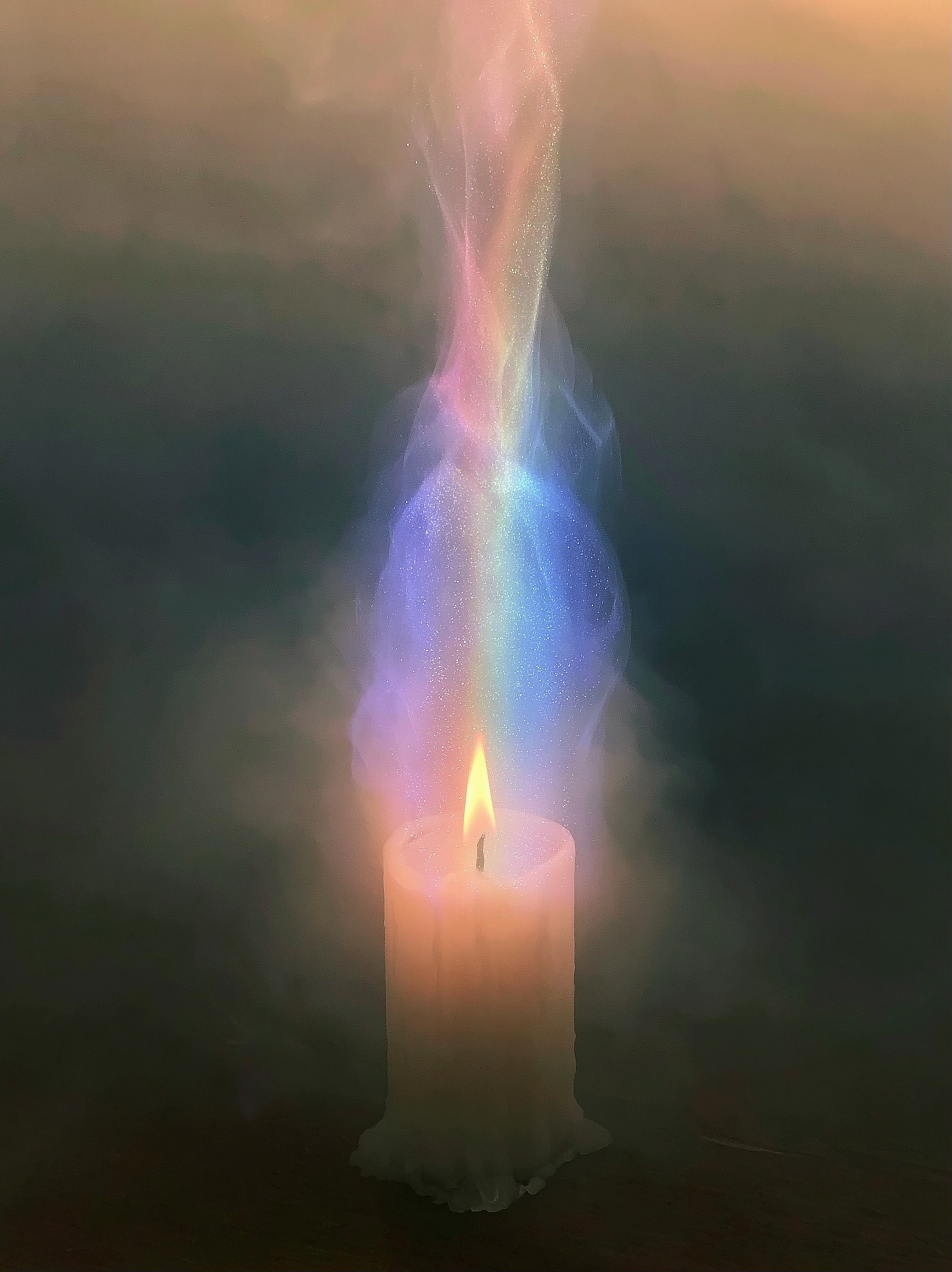
"A room is furnished with tables, chairs, and walls. An evening is furnished with light."
Item type
Magical
Rarity
Common
Weight
.25lb
Base Price
25 gp



Comments