


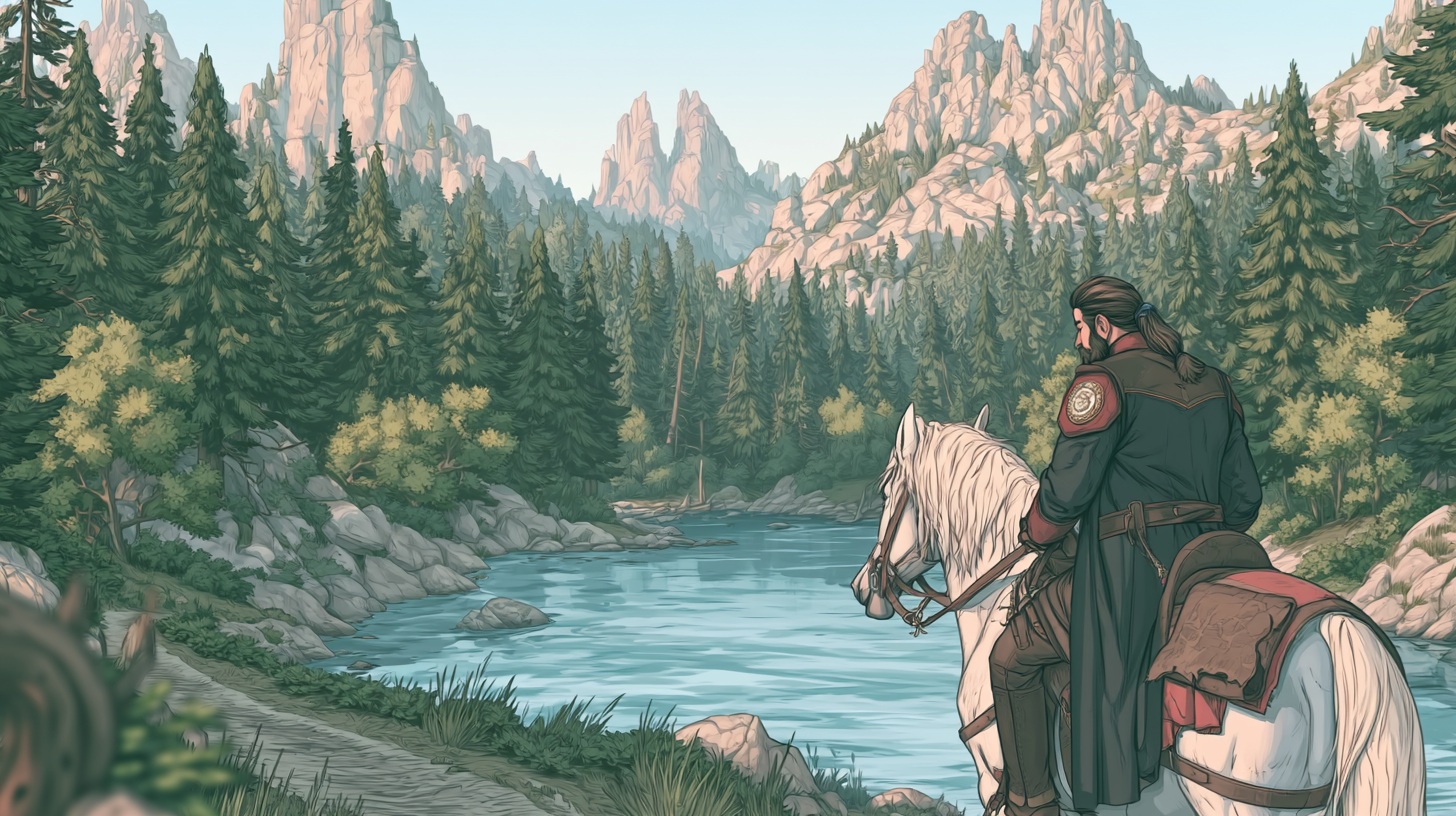
Mountie
Frontier Justice
“The townsfolk said the trail ended at the river. The river disagreed. Rivers are often more honest than witnesses.” — Marshal Elias Crowe, Frontier Service Journal
Civilization becomes thinner the farther one travels from the courthouse.
In cities, the law has buildings, clerks, cells, records, witnesses, and officials close enough to summon before sunset. On the frontier, law becomes a rider on a tired horse carrying a badge, a map, a notebook, and enough judgment to survive several days beyond help. That is where the Mountie works. Not inside the comfort of stone offices and crowded streets, but along remote roads, scattered settlements, borderlands, mountain passes, forests, deserts, and badlands where distance itself becomes part of every crime.
The Mountie is a law officer shaped by vast spaces. They may serve a crown, republic, frontier territory, trading company, military authority, or regional government, but their duty remains much the same. They enforce order where ordinary patrols cannot easily operate. They investigate disappearances where witnesses are scarce. They pursue fugitives who believe wilderness will protect them. They carry authority into places where people may not see an official representative for months at a time.
This work demands more than courage.
A city officer can question neighbors, consult records, and call for assistance. A Mountie may begin with nothing more than a set of tracks, a rumor from a roadside inn, and the knowledge that the next settlement lies three days away. They must understand weather, terrain, animals, supplies, travel habits, hiding places, and human desperation. A fugitive crossing open country leaves signs even when trying not to. Broken brush, disturbed ash, altered routes, missing provisions, nervous witnesses, sudden silences, and stories that do not quite agree all become part of the trail.
The profession rewards patience above almost everything else. Many cases unfold slowly. A missing traveler may require weeks of searching. A fugitive may remain ahead by a single day across hundreds of miles. A disappearance may appear impossible until one overlooked detail changes the meaning of the entire route. Mounties learn not to be discouraged by distance. Every trail ends somewhere, even when that ending is not the one anyone hoped to find.
Because of this, Mounties often develop a practical relationship with truth. They trust evidence more than declarations. People misremember, exaggerate, conceal, panic, and lie. Ground sign is usually less imaginative. A bootprint in mud, a cold firepit, a cut tether, or a wagon rut tells its own story. The Mountie learns to compare what people claim against what the land records.
That habit makes them difficult to deceive.
It can also make them difficult company.
Years spent alone in rough country change a person. Mounties become accustomed to silence, long rides, bad weather, and decisions made without guidance. They may prefer working alone because other people slow them down or complicate what would otherwise be simple. Yet the best among them understand that independence is not the same thing as isolation. Remote communities survive through trust, and a Mountie who cannot earn local trust will never learn half of what the frontier knows.
In many regions, Mounties are remembered less for arrests than for rescues. They find lost children, recover stranded travelers, escort witnesses, carry messages through dangerous territory, investigate empty cabins, and locate survivors after fires, floods, avalanches, raids, or storms. Their work often begins where ordinary certainty ends. Someone failed to arrive. Someone vanished from the road. Someone's horse returned riderless. Someone heard a scream in the woods and found no body afterward.
Frontier people understand the weight of such mysteries. In settled lands, disappearance may become a legal matter. In the wild, it becomes a wound. A missing person leaves a community suspended between grief and hope, unable to mourn properly and unable to move on. A Mountie who follows that trail carries more than a warrant. They carry the burden of returning an answer.
The law itself becomes complicated in distant places. Local customs may matter more than written statutes. Jurisdictions overlap. Old borders become uncertain. A trading company may enforce one code, a crown another, and an isolated settlement a third born from necessity. A Mountie must understand authority without becoming trapped by its symbols. The badge matters, but judgment matters more.
This is where the profession differs from ordinary enforcement. A Mountie cannot always wait for permission, reinforcements, or perfect clarity. They must decide when to push onward, when to turn back, when to arrest, when to listen, and when the right answer does not fit neatly inside the law they were sent to uphold. Such decisions create reputations. Some Mounties become legends of fairness and persistence. Others become warnings about what happens when authority rides too far from oversight.
In lands scarred by catastrophe, the role becomes even more vital. Broken roads, ruined settlements, altered landscapes, and forgotten routes create spaces where people disappear easily. Fugitives hide in abandoned places. Isolated communities lose contact with the wider world. Strange events go unreported because no one survives the journey to report them. Mounties travel these uncertain routes because somebody must.
Their work is rarely glorious. It is cold camps, long silences, suspicious locals, old wanted notices, poor maps, and the constant awareness that one wrong decision may leave everyone involved farther from help than they can survive. Yet there is honor in it all the same. The Mountie stands for the idea that distance should not erase responsibility.
A city guard protects the wall.
A Mountie follows the trail beyond it.
And when everyone else decides the trail is gone, the Mountie dismounts, studies the ground, and keeps looking.
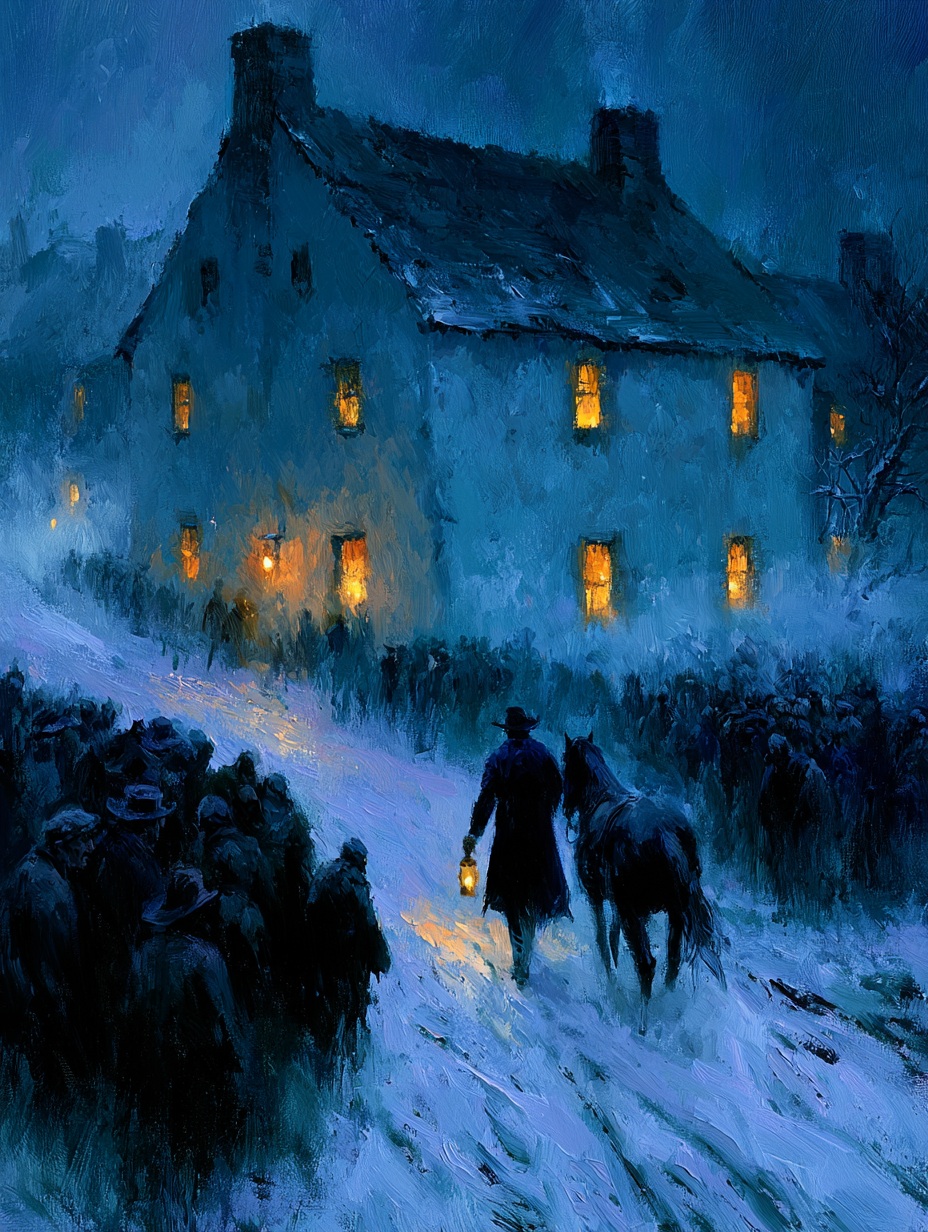
“A city detective follows clues. A mountie follows clues, tracks, weather, bad maps, three contradictory witnesses, and a horse that's smarter than half the suspects.”
Type
Military



Comments