


Merchant Marine
Red Sky At Night
“The duke toasted the prosperity of the realm. The dockworkers toasted the arrival of grain before winter. Only one of those celebrations would have mattered if the ships had failed to arrive.”
Most people think commerce happens in marketplaces.
It does not.
Markets are where commerce becomes visible. The real work happens long before that. Goods must be harvested, mined, forged, woven, packed, loaded, transported, unloaded, stored, documented, sold, and distributed. Entire cities depend upon ships arriving on schedule. Entire kingdoms depend upon routes remaining open. Most people never see any of it.
Merchant marines do.
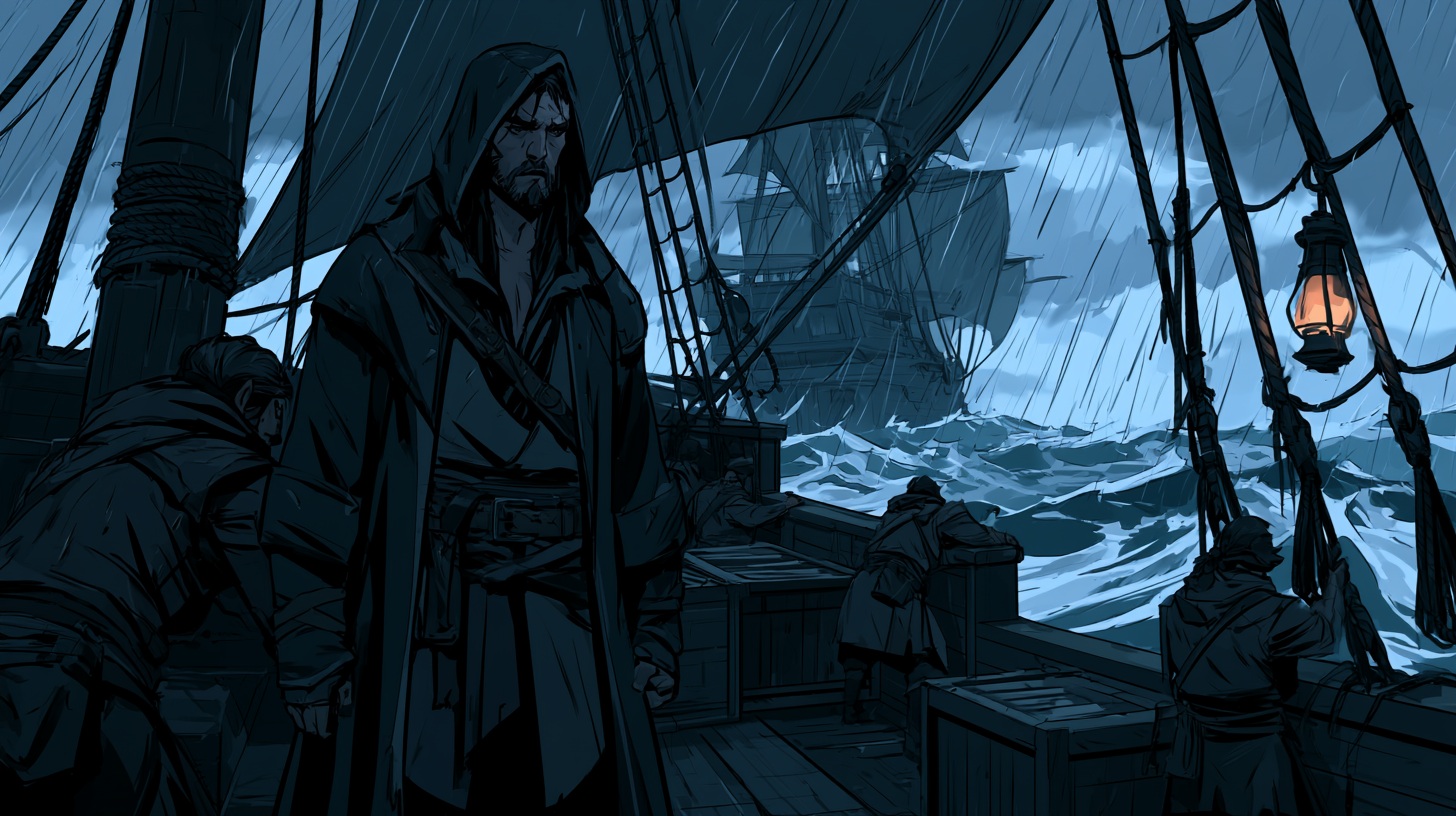
Merchant marines are the sailors, deckhands, navigators, quartermasters, pursers, engineers, officers, and laborers who keep goods moving across oceans, rivers, seas, and coastlines. While admirals pursue glory and privateers pursue prizes, merchant marines pursue something less celebrated but often more important.
Arrival.
A cargo vessel delayed by storms can create shortages hundreds of miles away. A blocked harbor can disrupt trade across entire regions. A missing shipment can bankrupt merchants, starve communities, cripple industries, and trigger political crises. Merchant marines understand these realities because they live them.
Most spend years traveling between ports that few inland residents ever see. They learn which harbors operate efficiently and which are tangled in bureaucracy. They learn which officials can be trusted, which merchants honor agreements, and which ports become dangerous after dark. They become familiar with weather patterns, currents, shipping lanes, seasonal hazards, labor disputes, tariffs, inspections, and the countless practical concerns that determine whether cargo arrives safely.
The sea rarely cares about schedules.
Storms arrive when they choose. Equipment fails at inconvenient moments. Cargo shifts. Sailors fall ill. Pirates, privateers, smugglers, reefs, shoals, and navigational mistakes all threaten disaster. Merchant marines quickly learn that success depends less upon perfect plans than upon adaptation. The voyage that begins on paper is rarely the voyage that reaches port.
This practical perspective shapes how merchant marines view the world.
Where others see isolated communities, they see interconnected networks. A blacksmith's forge depends upon ore from distant mines. A city's bakeries depend upon grain carried across oceans and rivers. Temples require candles, incense, paper, stone, and countless other goods produced elsewhere. Even remote settlements often rely upon supplies that originate far beyond the horizon.
Nothing simply appears where it is needed.
Someone moved it.
Years spent watching cargo flow between distant communities also exposes merchant marines to remarkable diversity. Few professions bring people into contact with as many cultures, languages, customs, and ways of life. A merchant marine may share a meal with fishermen in one port, bargain with traders in another, and unload cargo alongside laborers from half a dozen nations before the month is over.
Many develop broad perspectives as a result.
Others become cynical.
After all, merchant marines often witness how wealth truly moves through the world. They see shortages before politicians acknowledge them. They see prosperous ports declining and forgotten harbors rising to prominence. They learn that trade routes frequently influence history long before armies arrive. Wealth, opportunity, migration, and information often travel along shipping lanes years before governments recognize their significance.
Merchant marines are often among the first to notice when something is wrong.
A shipment that never arrives.
A harbor operating below capacity.
A sudden increase in military cargo.
An unusual shortage.
A route becoming unexpectedly dangerous.
These details may seem insignificant to outsiders. To experienced sailors, they are often signs of larger problems developing beneath the surface.
In lands scarred by the Shattering, merchant marines play an especially important role. Broken kingdoms, altered coastlines, ruined infrastructure, and isolated communities make transportation more valuable than ever. Entire regions depend upon ships to maintain contact with the outside world. Merchant vessels carry not only goods, but news, opportunities, warnings, technology, culture, and hope.
Many communities would not survive without them.
Yet merchant marines rarely receive the recognition granted to generals, nobles, explorers, or adventurers. Their successes are often invisible because success means nothing unusual happened. The cargo arrived. The schedule held. The community received what it needed.
Only failure attracts attention.
Only when ships stop arriving do people realize how much depended upon them.
Merchant marines understand this better than anyone.
They know that prosperity rests upon countless unseen connections. They know that a missing shipment can matter more than a political speech. They know that every thriving city depends upon people willing to brave storms, navigate dangerous waters, and deliver goods to places that cannot survive without them.
Most people notice what arrives.
A merchant marine notices everything that had to happen before it could.
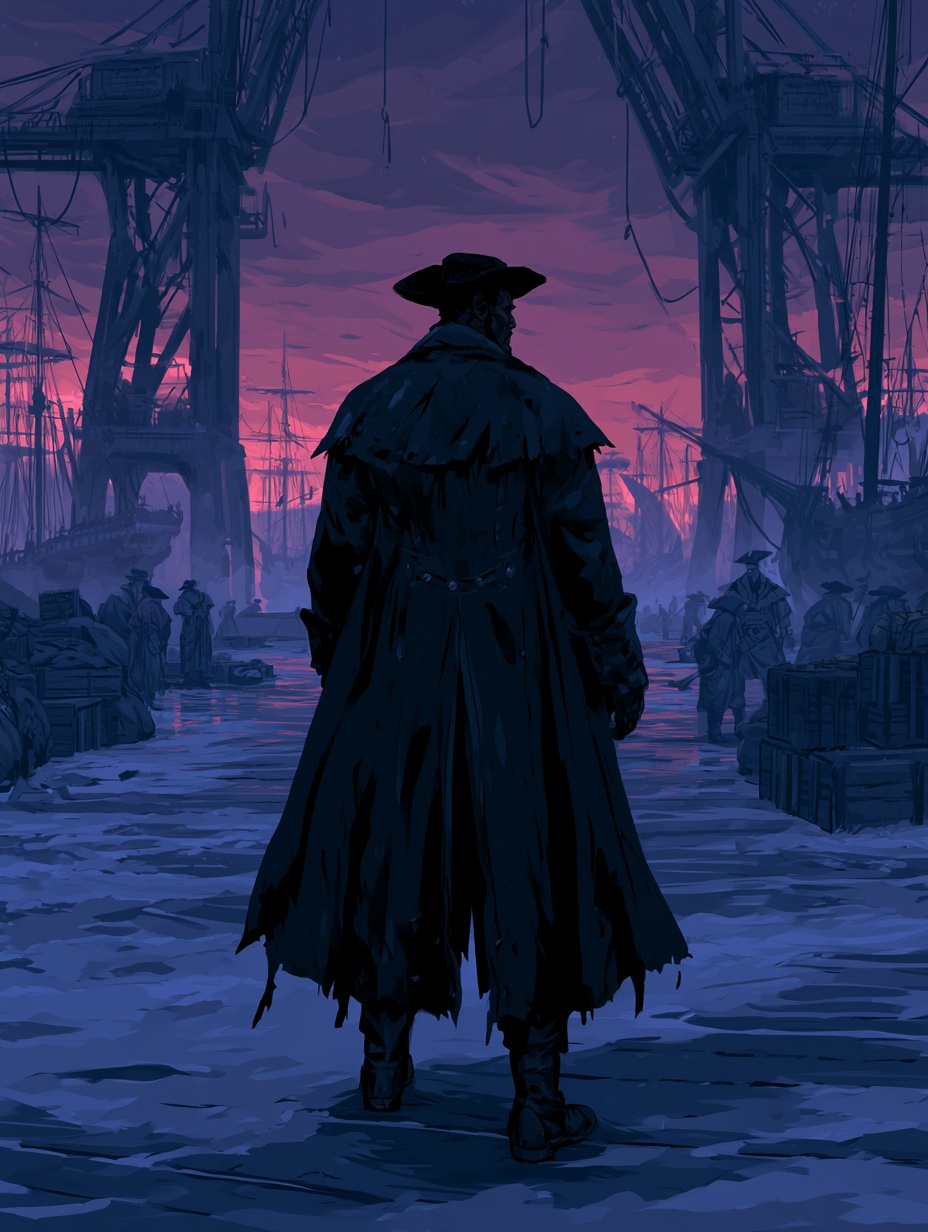
“A kingdom believes it is fed by farms, armed by forges, and enriched by merchants. Spend a season aboard a cargo vessel and you will discover it is fed by sailors, armed by sailors, and enriched by sailors who survived storms nobody ashore ever knew existed.”
Type
Transportation



Comments