


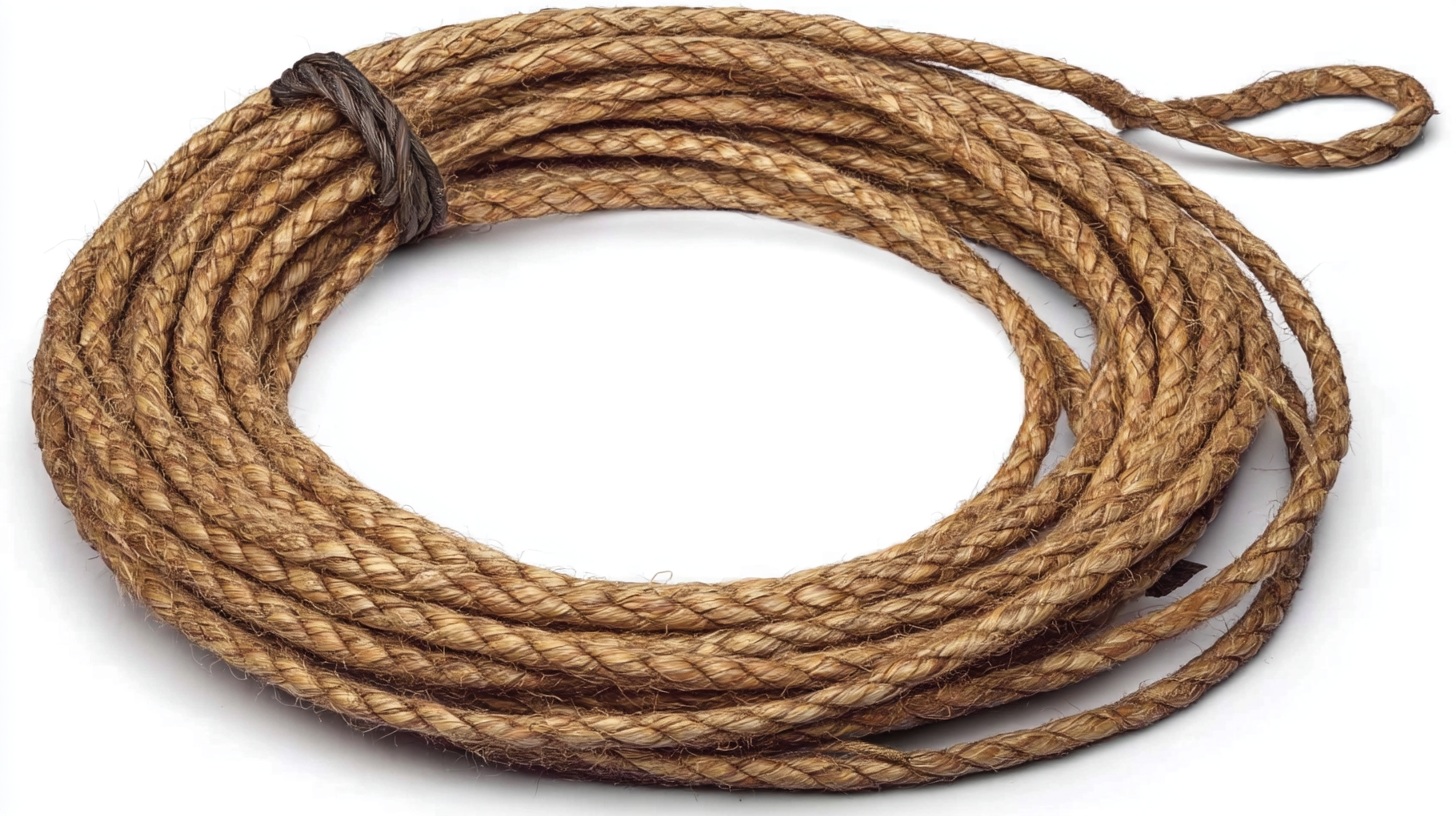
Lasso
Line Work
"A man with a lasso's usually tellin' you he wants you alive. Best not make him reconsider."
Simple in appearance yet remarkably versatile, the lasso is among the oldest tools ever carried by those who make their living among large animals and wide open country. Consisting of little more than a carefully braided length of rope tied into a running loop, it allows a skilled user to seize a target from a safe distance without resorting to violence. In practiced hands, the loop becomes an extension of the arm, capable of catching livestock, recovering equipment, hauling supplies, or bringing down a fleeing quarry before it disappears beyond reach.
Most lassos are woven from hemp, horsehair, or other strong natural fibers that balance flexibility with durability. A rope that is too stiff refuses to throw cleanly, while one that is too soft collapses before the loop can settle over its target. Ranchers and drovers often spend years learning to braid, maintain, and repair their own ropes, treating a favorite lasso with the same care an experienced archer gives a trusted bow.
The tool is indispensable wherever livestock are raised. Herdsmen use it to capture stray cattle, break young horses, restrain stubborn oxen, and rescue animals trapped in ravines or swift rivers. Farmers rely upon it to move heavy loads without placing themselves in danger, while caravan masters appreciate its ability to retrieve cargo that has slipped from wagons or pack animals. In capable hands, a lasso solves countless problems that brute strength alone cannot.
Adventurers quickly discover its value as well. A companion who has fallen from a cliff, a prisoner attempting to flee, a monster trying to escape into the darkness, or a valuable relic lying just beyond reach may all be recovered with a well-thrown loop. Rangers favor the weapon when hunting dangerous beasts they hope to capture alive, while bounty hunters often regard it as an essential part of their trade. City watch officers in some frontier settlements even carry lassos specifically to subdue drunken troublemakers without drawing steel.
Despite its usefulness, mastering the lasso demands patience. Throwing a loop accurately is an art requiring careful timing, practiced judgment, and an instinctive understanding of movement. Experienced ropers learn to anticipate where a target will be rather than where it stands, letting the loop fall naturally into place before tightening with a sharp pull. To an untrained observer, the throw appears almost effortless. Those who have attempted it know otherwise.
Unlike chains or manacles, the lasso is not intended to imprison. It is meant to control a situation long enough for better options to present themselves. An animal may be calmed. A criminal may surrender. A companion may regain their footing. Even in combat, the weapon reflects a practical philosophy uncommon among instruments of war. It offers restraint before bloodshed, distance before desperation, and the possibility that not every confrontation must end with someone lying dead upon the ground.
Perhaps that is why so many seasoned travelers carry one coiled beside their saddle. Few tools prove useful as often, weigh so little, or ask so little in return beyond a steady hand and the wisdom to know when catching someone is better than killing them.
Lasso
A looped rope used to catch and haul creatures from a distance. A lasso deals no damage but can immobilize a suitable target.
| Range | Weight | Cost |
|---|---|---|
| 20 ft. | 5 lb. | 1 gp |



Comments