


Landed
The Money Pit
“I did NOT slay a cave troll for glory. I slew it because the south tower roof collapsed again, the tenants need grain before winter, and apparently old, forgotten noble blood doesn't pay as well as one might think.”
People imagine inheritance as a reward.
Landed folk know better.
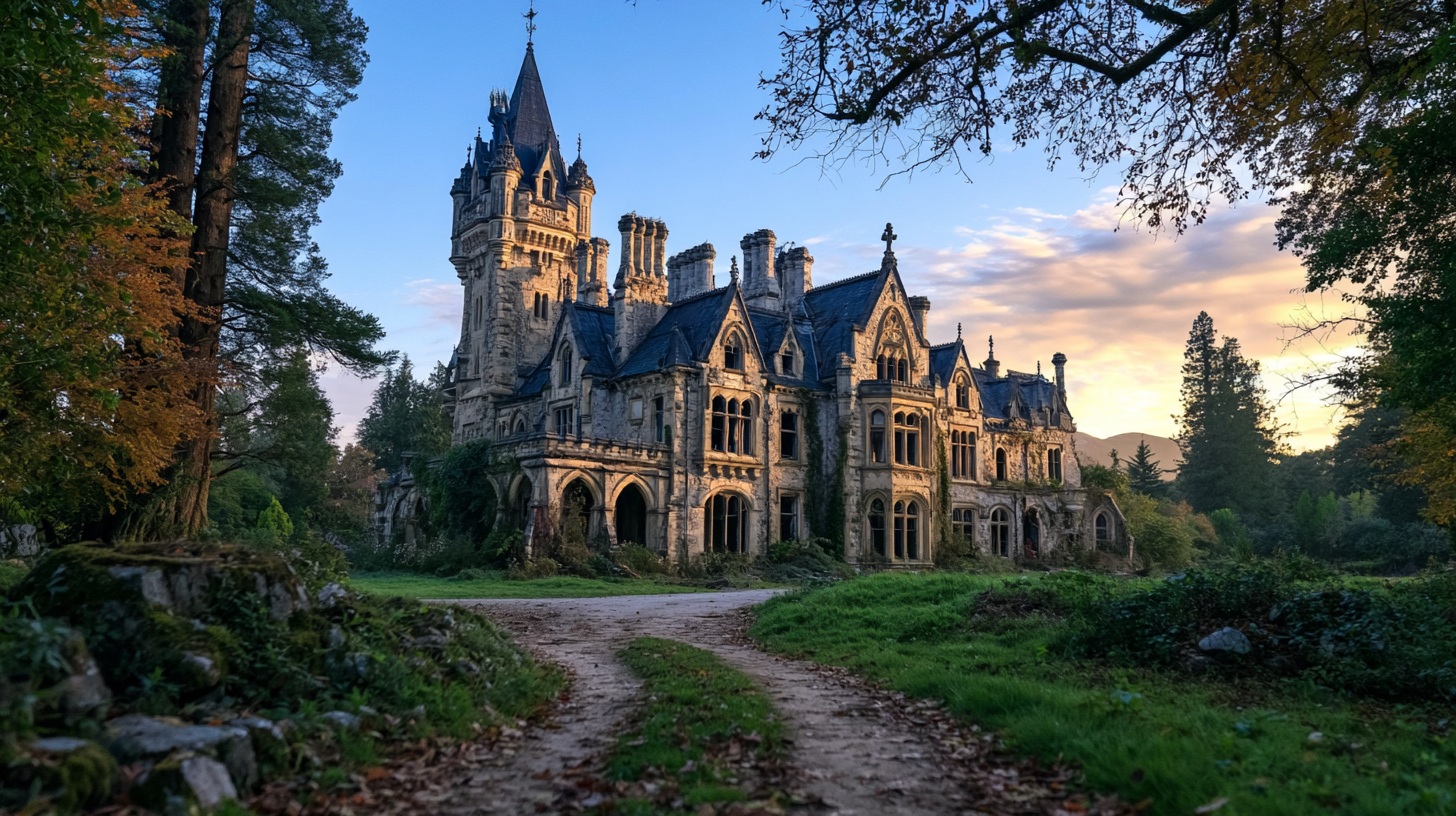
Inheritance is a roof leaking during winter while tax collectors arrive three days early. It is discovering the western field flooded again because the retaining wall failed twenty years before you were born and nobody ever truly repaired it afterward. It is reading letters from dead relatives who all sound vaguely exhausted, as though each generation spent its final years desperately trying to keep the entire structure from quietly collapsing under its own age and expectations.
An estate is not property.
It is appetite.
Old houses consume coin, labor, time, and peace of mind with astonishing efficiency. The larger and older the holding, the worse it becomes. Roof tiles crack. Wells sour. Bridges weaken. Tenants dispute boundaries established generations ago. Servants quit unexpectedly. Harvests fail at the exact moment taxes increase. Some mornings the steward arrives carrying a ledger with the same expression battlefield surgeons wear before amputations.
And through all of it, the estate persists.
That persistence shapes the people born to it. A Landed heir learns responsibility before freedom. They grow up surrounded by conversations about repairs, obligations, debts, inheritances, contracts, and weather patterns capable of financially ruining entire seasons. Even privileged childhoods carry strange pressures when every adult in the household speaks constantly about preserving something larger than themselves.
Because that is the true burden.
You are never merely living in the estate.
You are maintaining continuity.
The portraits lining the halls matter because they represent survival. Every ancestor preserved the property through wars, famine, scandal, poor marriages, disastrous investments, political upheaval, and at least one relative who absolutely should never have inherited anything. The current steward exists as another temporary guardian in a chain stretching backward through generations of exhausted people insisting the family can survive one more difficult year.
Usually by sacrificing personal happiness first.
Landed folk develop odd habits from this environment. They inspect beams instinctively when entering buildings. They notice neglected stonework the way soldiers notice weapons. They keep records obsessively because estates survive through accounting almost as much as agriculture. Even adventuring becomes practical rather than romantic.
A dragon’s hoard repairs the east wing.
Ancient treasure pays overdue taxes.
Monster hunting keeps the servants employed another winter.
That practicality often surprises outsiders who mistake nobility for effortless luxury. Most ancestral holdings exist in a state of controlled financial panic hidden beneath polished silverware and respectable curtains. Entire bloodlines survive on carefully negotiated debt, inherited obligations, and the desperate hope next year’s harvest will finally stabilize everything.
It rarely does.
Still, the emotional gravity of these places becomes difficult to escape. Old estates shape identity through repetition. The same hallways crossed since childhood. The same servants aging alongside the walls themselves. The same locked rooms nobody discusses comfortably anymore. Landed heirs often leave seeking freedom only to discover something deeply irritating.
They miss the place anyway.
Even the unpleasant parts.
The endless repairs. The drafty corridors. The accounts ledger waiting accusingly on the desk every morning. The estate becomes less a possession and more a living responsibility that follows them psychologically no matter how far they travel. They worry about storms striking home while sleeping beside distant campfires. They mentally calculate costs whenever they receive treasure. They compare every inn, manor, and village unconsciously against the standards of the home they simultaneously resent and love.
And every old estate contains secrets.
Locked wings sealed after scandals no surviving relative explains clearly. Family crypts beneath chapels where certain names have been carefully removed from memorial stones. Debts owed to organizations nobody remembers dealing with originally. Servants who refuse to enter specific rooms after dark. Entire sections of property left deliberately abandoned because restoring them would require confronting something the family preferred buried decades earlier.
Sometimes literally.
That is another truth Landed heirs learn quietly. Old houses absorb history. Arguments linger in dining halls. Tragedies stain bedrooms. Every generation leaves something unfinished behind for the next one to inherit alongside the title and repairs. The estate becomes a physical accumulation of obligation, memory, guilt, pride, and endurance layered one atop another until the building itself begins to feel aware somehow.
Not haunted necessarily.
Just watchful.
The best stewards eventually understand something important. An estate does not truly belong to them. They belong to it. Their role is temporary. Another portrait waiting eventually for the hallway wall beside all the others. Another exhausted caretaker trying to preserve the illusion of permanence long enough for the next generation to inherit both the privilege and the burden together.
And despite the stress, despite the debt, despite the endless responsibility, many Landed heirs secretly love the work.
Because in a world where so much vanishes quickly, there is something strangely comforting about maintaining a place stubborn enough to outlive almost everyone who ever tried to keep it standing.
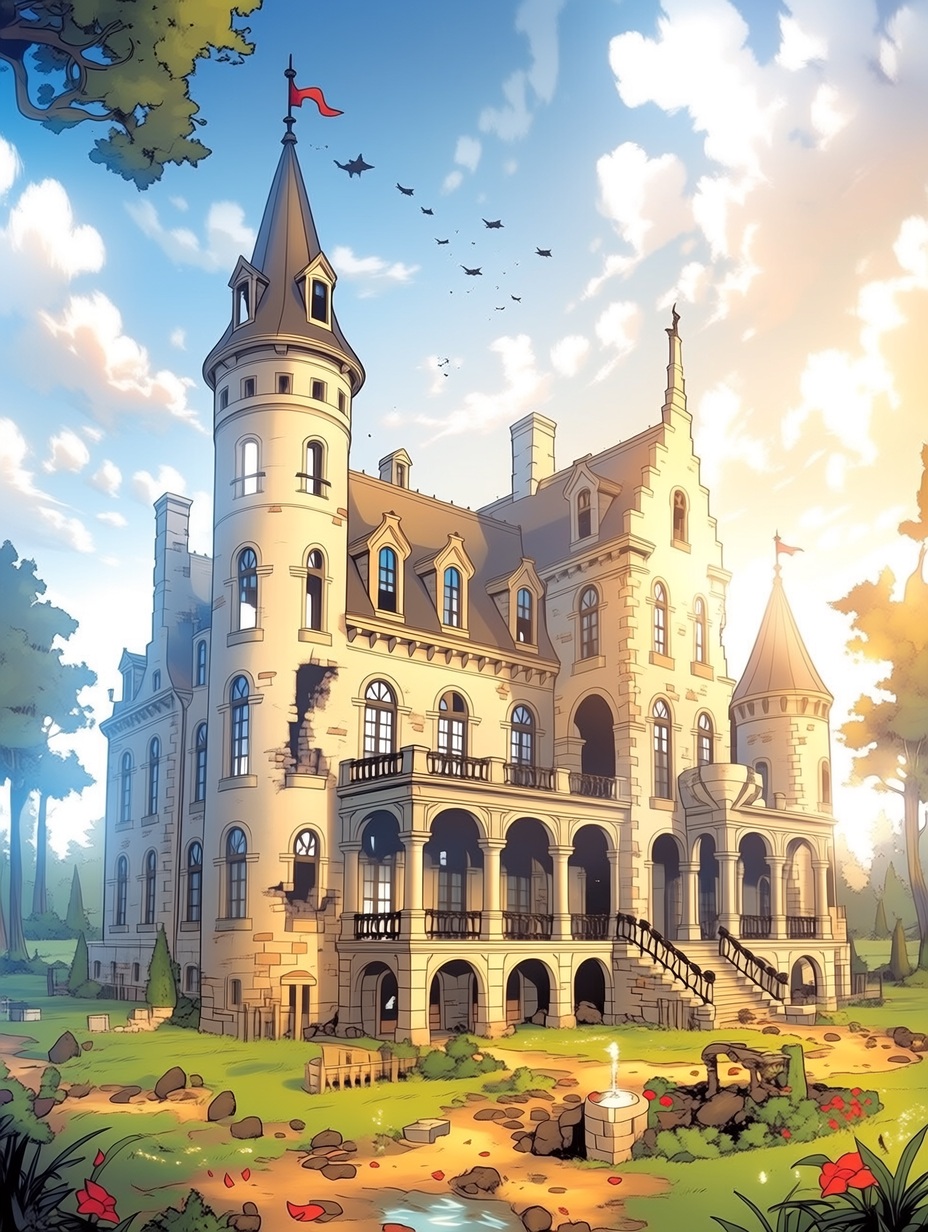
“If this crypt contains one more family curse, I swear by every miserable saint on Aerith I am selling the estate to the first idiot wealthy enough to inherit the problem.”
Type
Architecture



Comments