


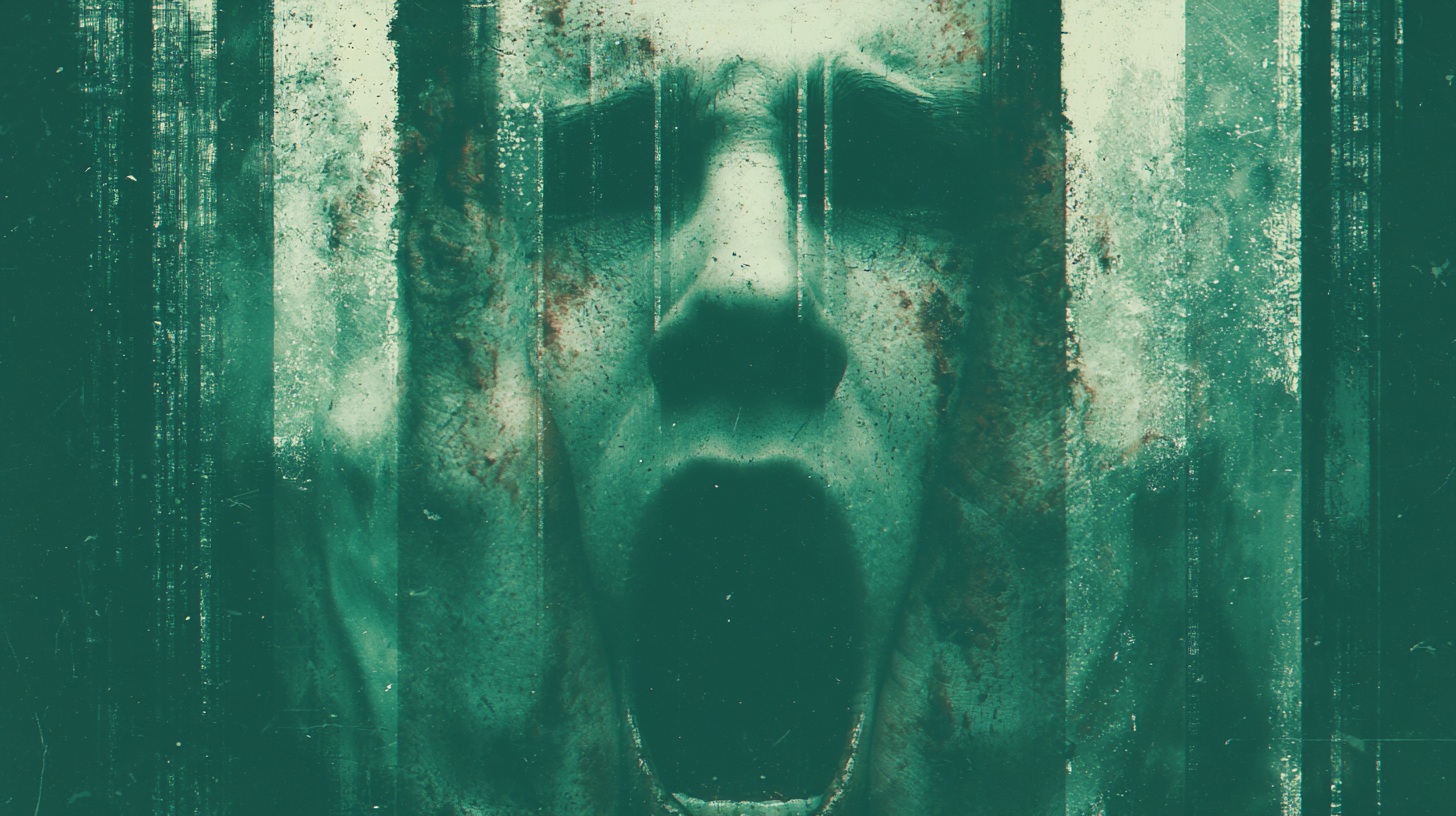
Katabasis
Darkness & Light
“We found the expedition's camp exactly where the journals said it would be. We never found the expedition. The camp looked as though its occupants had simply stood up and walked away into the dark at the same moment.”
Most journeys change a person.
A Katabasis changes the boundaries of what a person believes is possible.
The word means different things to different cultures. Some use it to describe a descent into the underworld. Others apply it to impossible pilgrimages, cursed expeditions, supernatural imprisonment, spiritual ordeals, forgotten ruins, or journeys beyond the edges of the known world. The details vary.
The outcome does not.
Someone crosses a boundary.
Most never return.
A few do.
The Returned rarely agree on what happened to them. One survivor may describe a buried city where ancient voices echoed through empty streets. Another recalls a wilderness where familiar laws no longer seemed to function. Others speak of impossible realms, forgotten roads, strange civilizations, supernatural encounters, or experiences that resist explanation entirely.
What unites them is not where they went.
It is the fact that they came back.
This distinction matters because survival is rarely the end of the story. The Katabasis leaves marks. Some are physical. Others linger in memory, habit, or perspective. The Returned often discover that ordinary concerns affect them differently afterward. A difficult journey feels less intimidating. A dangerous situation seems manageable. A terrifying experience becomes merely another challenge.
After all, they have already survived something that should have destroyed them.
Everything else feels smaller by comparison.
This resilience can be admirable.
It can also be dangerous.
Many who survive extraordinary ordeals develop an altered relationship with fear. They understand genuine terror too well to waste energy on lesser concerns. Unfortunately, this perspective sometimes leads them to underestimate ordinary risks. A collapsing bridge, a criminal ambush, a winter storm, or a political conspiracy may seem insignificant compared to what they endured previously.
The world does not always appreciate such distinctions.
The profession, if it can be called that, cultivates unusual observational skills. Those who survive impossible places become sensitive to the traces left behind by hardship. They recognize exhaustion in people's faces. They notice signs of communities adapting to disaster. They identify settlements shaped by fear, isolation, tragedy, obsession, or loss.
Experience teaches them that places remember.
A ruined village may reveal how its inhabitants responded to catastrophe. A remote settlement may display generations of adaptation to unusual circumstances. A forgotten road may preserve evidence of journeys nobody remembers making. The Katabasis survivor learns to read these signs because they once became part of such a story themselves.
This perspective often places them at odds with ordinary people.
How does one explain an impossible experience to someone who has never encountered one?
Many try.
Few succeed.
Language struggles with certain realities. The survivor remembers what they saw, but memory itself often becomes unreliable. Details blur. Contradictions emerge. Events that seemed clear during the ordeal become difficult to describe afterward. Some experiences feel more like dreams than history. Others remain painfully vivid decades later.
The uncertainty can be frustrating.
It can also become an obsession.
Many survivors dedicate years attempting to understand what happened to them. They revisit records. They seek other witnesses. They investigate rumors. They compare stories. Some become scholars. Others become explorers. A few devote their entire lives to returning to the place that changed them.
Not because they enjoyed it.
Because unanswered questions possess tremendous gravity.
This attraction toward mystery explains why the Returned frequently become investigators of unusual phenomena. When a village reports strange disappearances, they volunteer. When rumors emerge concerning forgotten ruins, impossible creatures, or cursed locations, they pay attention. They recognize patterns others dismiss because they have already experienced what lies beyond conventional understanding.
They know the impossible exists.
They merely disagree about its nature.
In lands scarred by catastrophe, stories of vanished expeditions, lost settlements, buried cities, and impossible places are common. Most people avoid such locations whenever possible. Survivors of a Katabasis often move in the opposite direction. Curiosity, responsibility, guilt, obsession, or simple familiarity draws them toward mysteries others fear.
Sometimes this impulse saves lives.
Sometimes it creates new disasters.
Either way, the boundary continues exerting its influence.
Perhaps that is the profession's defining burden. The journey never truly ends. The survivor may escape the place itself, but not the knowledge acquired there. Every experience afterward becomes measured against that moment. Every mystery invites comparison. Every strange occurrence raises old questions.
And occasionally, in quiet moments, the Returned wonder whether they actually escaped at all.
Most people fear what lies beyond the boundary.
The survivor fears what crossed it with them.
Because they know something everyone else prefers to ignore.
Some doors open both ways.

“Everyone asks what I saw beyond the boundary. Nobody asks what saw me. That is probably the wiser question.”



Comments