



Journeyman
I Can Build You One
“The duke paid for the bridge, the architect designed it, and the mayor gave three speeches about it. Twenty years later the bridge is still standing, which tells you exactly whose work mattered.”
Every city contains important people.
The Journeyman knows most of them are not the ones giving speeches.
Kingdoms celebrate kings. Histories remember generals. Monuments honor nobles, heroes, and saints. Yet roads still require maintenance. Bridges still need repair. Mills break. Roofs leak. Walls crack. Wagons fail. Workshops expand. Harbors require constant upkeep. Civilization survives because skilled people solve practical problems every day.
The Journeyman belongs to that tradition.
Unlike apprentices, who learn in one place, or masters, who often settle and establish reputations, the Journeyman follows opportunity. Their trade carries them across regions, cultures, and communities. One year they may help construct a bridge. The next they may repair mills, build ships, restore roads, raise fortifications, or oversee workshops in towns they had never heard of previously.
The work changes.
The craft remains.
This lifestyle teaches lessons impossible to acquire from books. Every region develops different techniques. Every workshop develops different habits. Every master believes their method is the correct one. The Journeyman learns to separate tradition from practicality. They borrow useful ideas, discard ineffective ones, and gradually build expertise shaped by experience rather than theory.
As a result, Journeymen often possess surprisingly broad knowledge.
A scholar may understand engineering.
A Journeyman understands why the bridge collapsed.
This distinction earns respect among practical people. Laborers, craftsmen, builders, merchants, suppliers, and foremen quickly recognize someone who genuinely understands the work. Technical language matters less than competence. The Journeyman learns that skill possesses its own reputation. Good work travels faster than most people realize.
So does bad work.
The profession therefore depends heavily upon reputation. A recommendation from a respected craftsperson can open doors across entire regions. A reputation for reliability creates opportunities long before they become public knowledge. Skilled workers share information constantly. They discuss employers, projects, suppliers, contracts, innovations, disasters, and opportunities.
The Journeyman learns how to listen.
This informal network often proves more useful than any official institution. Need a skilled mason? Someone knows one. Looking for work? Someone heard about a project. Searching for a rare material, unusual tool, or forgotten technique? Someone probably encountered it three towns ago and remembers exactly who to ask.
Civilization functions through countless relationships of this kind.
Journeymen spend their lives navigating them.
The profession also creates an unusual perspective on status. Wealthy patrons commission projects. Officials approve them. Scholars explain them. Yet none of these people necessarily understand how things are actually built. The Journeyman develops respect for competence rather than titles. They have spent too much time watching skilled labor solve problems that important people created.
This perspective occasionally causes friction.
Journeymen can be blunt. They tend to value results over appearances. They often care more about whether something works than whether it sounds impressive. Such attitudes make them popular among workers and occasionally unpopular among administrators.
Most accept this trade gladly.
Years spent moving between projects also leave emotional marks. Every Journeyman remembers certain jobs. A bridge that still stands decades later. A workshop destroyed before completion. A road that transformed a region. A building whose construction consumed years of effort. Some projects become more than employment.
They become part of a person's identity.
This attachment explains why many Journeymen remain interested in old works long after leaving them behind. They revisit structures. They ask about repairs. They wonder whether improvements lasted. A piece of craftsmanship represents time, effort, and skill made permanent. Seeing it endure creates a quiet sense of satisfaction.
Of course, not everything lasts.
Journeymen understand impermanence better than most. Buildings burn. Roads deteriorate. Kingdoms collapse. Entire industries vanish. Yet people continue rebuilding. New projects replace old ones. Knowledge passes from one generation of workers to the next. Civilization survives because skilled hands continue repairing what time destroys.
Perhaps that is why Journeymen often appear optimistic despite witnessing constant decay.
They know something important.
Everything breaks eventually.
Someone will fix it.
The Journeyman intends to be that someone.
Or at least teach the next generation how.
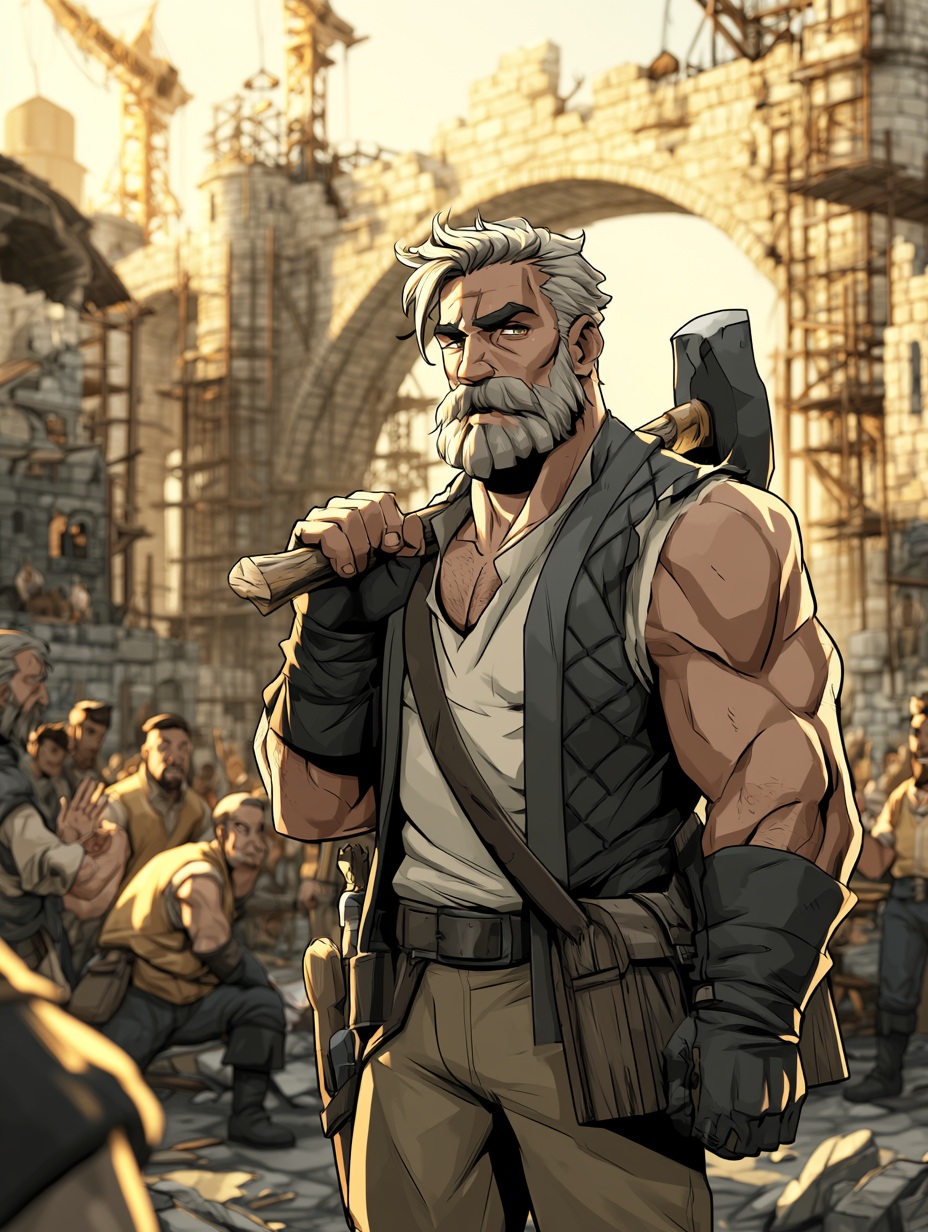
“A master teaches you how things ought to be done. A journeyman teaches you how they're actually done when the timber arrives late, the weather turns bad, and the budget disappears.”
Type
Construction



Comments