


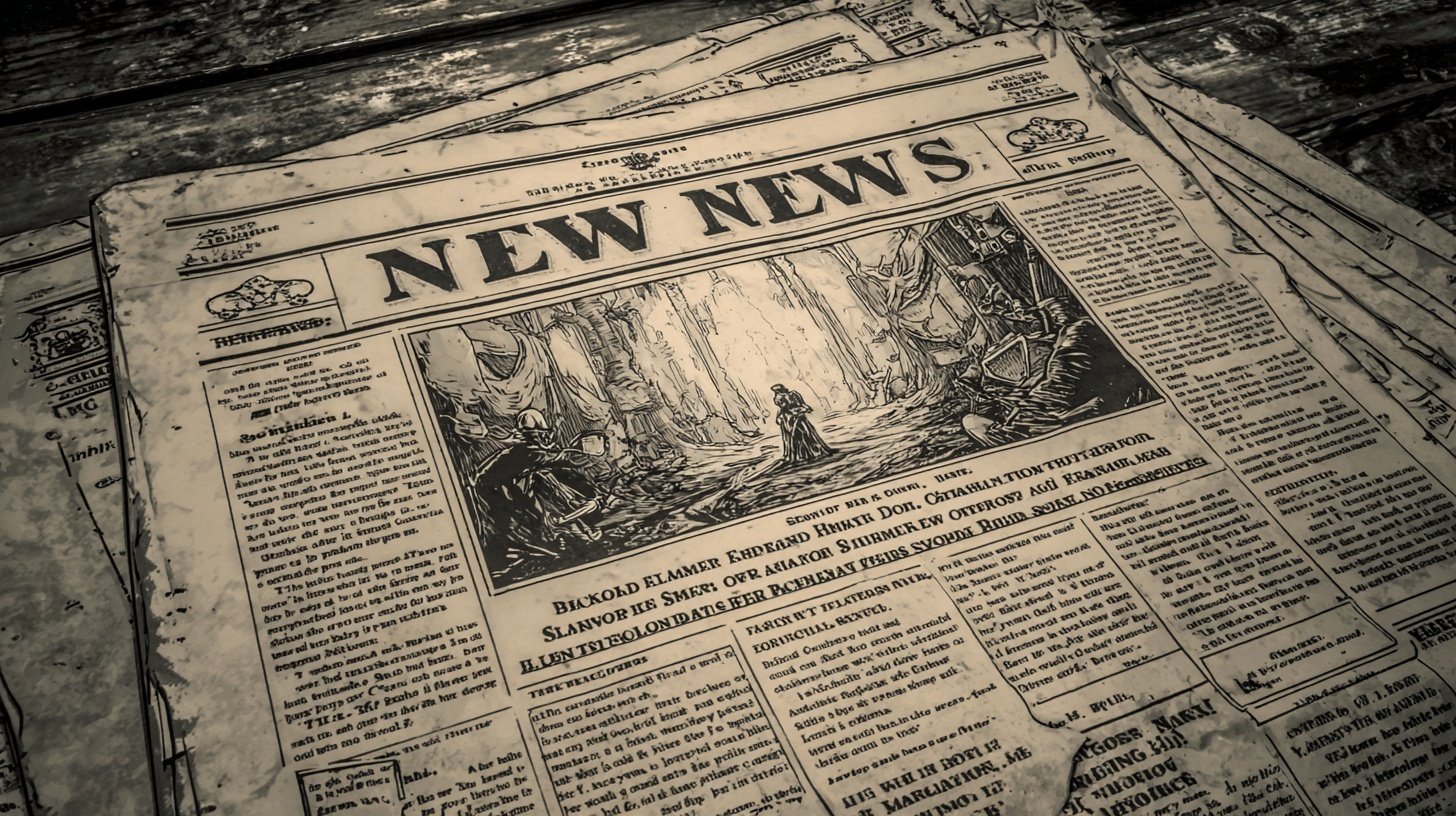
Journalist
Bards Of The Fifth Estate
“They say adventurers chase glory and journalists chase truth. Most days it is the same road with different excuses.”

A journalist’s life is built around motion and interruption. Meals are abandoned halfway through. Sleep ends early and often badly. Plans collapse the moment a better lead appears. The work pulls them out of beds, onto ships, into alleys, and across borders because something does not sit right and will not wait. They do not chase danger for its own sake, but danger has a habit of clustering around unfinished truths.
Stories rarely announce themselves cleanly. They arrive as whispers, inconsistencies, or accidents that feel too deliberate. A collapsed warehouse that burned too evenly. A cult raid no one claims responsibility for. A missing person whose name keeps appearing in unrelated conversations. The journalist follows these threads until coincidence runs out and someone starts getting nervous. That is usually when things become complicated.
In worlds where magic reshapes streets and monsters rewrite maps, journalism turns physical fast. Doors lock. Wards hum. Old ruins keep records better than living officials do. A reporter learns to climb walls, slip through guarded corridors, and read while running because answers are often stored in places meant to discourage visitors. The job rewards anyone who can keep moving when the obvious route stops working.
This is why journalists end up shoulder to shoulder with adventurers so often. One group clears the path forward. The other figures out why it mattered. While blades swing and spells crackle, the journalist watches who ordered the fight, who fled first, and who is quietly missing when it ends. They write while the dust is still settling because that is when people slip and tell the truth by accident.
The work produces moments that border on the absurd. Arguing about spelling while hiding from guards. Taking notes during a chase because the person running is finally talking honestly. Conducting an interview with a witness who insists on being anonymous while wearing armor that rattles with every breath. None of this feels strange after a while. It just feels like Tuesday.
Speed matters as much as courage. A journalist files reports from rooftops, ship decks, stable lofts, and anywhere quiet enough to hear their own thoughts for five minutes. They race rivals along courier routes, rewrite entire accounts when new facts surface, and scrap perfect prose because the truth arrived uglier and louder than expected. Ink dries fast when it has to.
Danger does not always come as violence. Sometimes it comes as temptation. Someone offers protection in exchange for silence. Someone else offers a better version of events that fits more neatly on the page. A journalist learns to recognize when the story is being negotiated instead of denied. Choosing which version to publish can be more perilous than surviving the investigation itself.
The longer someone works this profession, the stranger their life becomes. They start recognizing patterns across unrelated disasters. They learn which officials panic early and which wait too long. They hear the same lies told with different accents. Their notebooks become maps of pressure points most people never notice until something breaks.
Adventure is not the goal, but it is the byproduct. Following a story can mean crossing hostile territory, surviving attempts at suppression, and uncovering truths that redraw alliances overnight. The journalist does not swing the sword that changes the world, but they often decide whether anyone knows why it was swung at all.
For those who live this life, the appeal is simple and relentless. The world is loud, messy, and full of people trying to control how it is remembered. A journalist steps into that noise with ink on their fingers and questions that refuse to stay quiet. Whatever comes next, they intend to be there to write it down before someone else decides how the story ends.
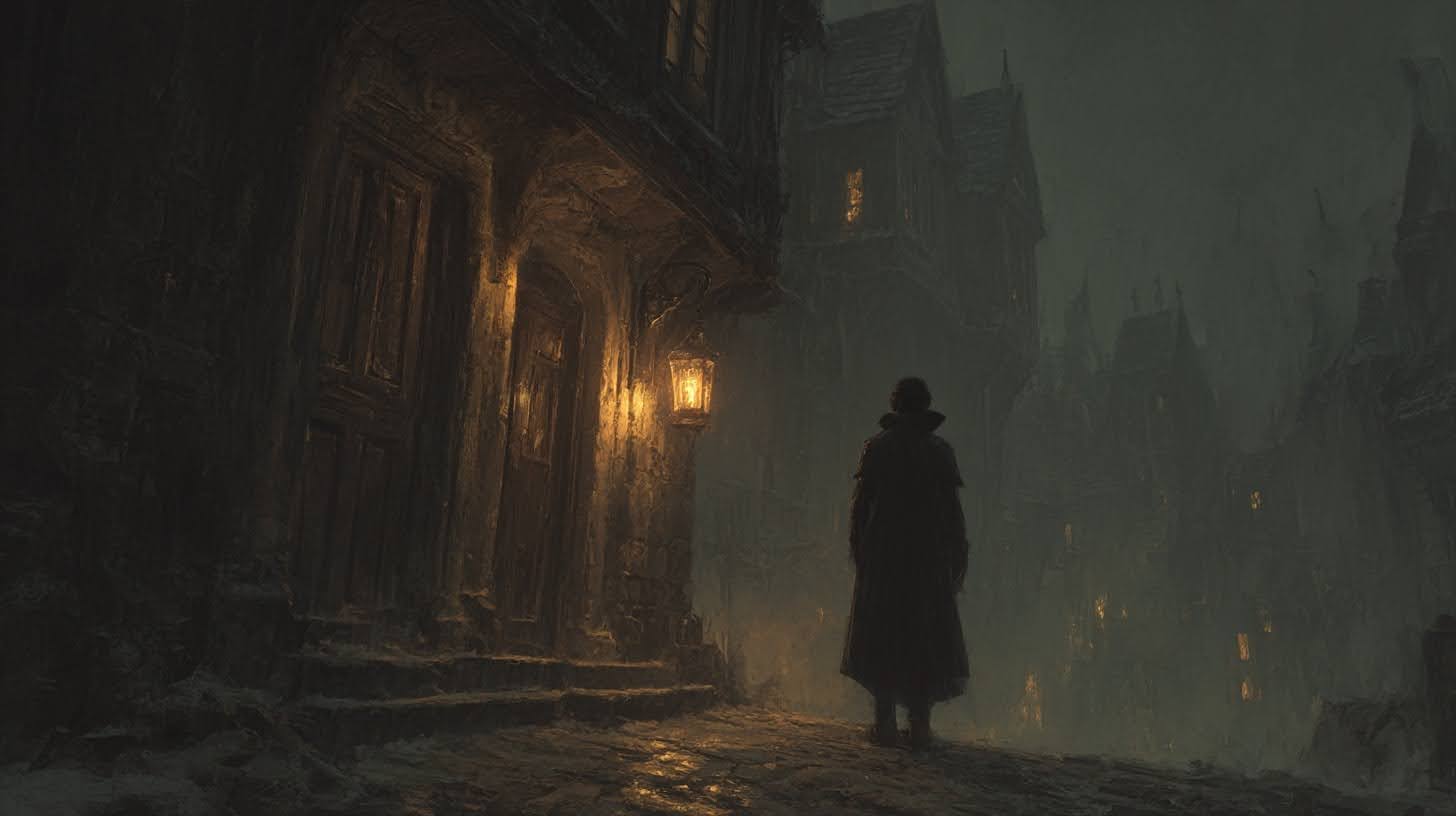
Career
Qualifications
“You don’t qualify for this work. You prove you can survive it.”
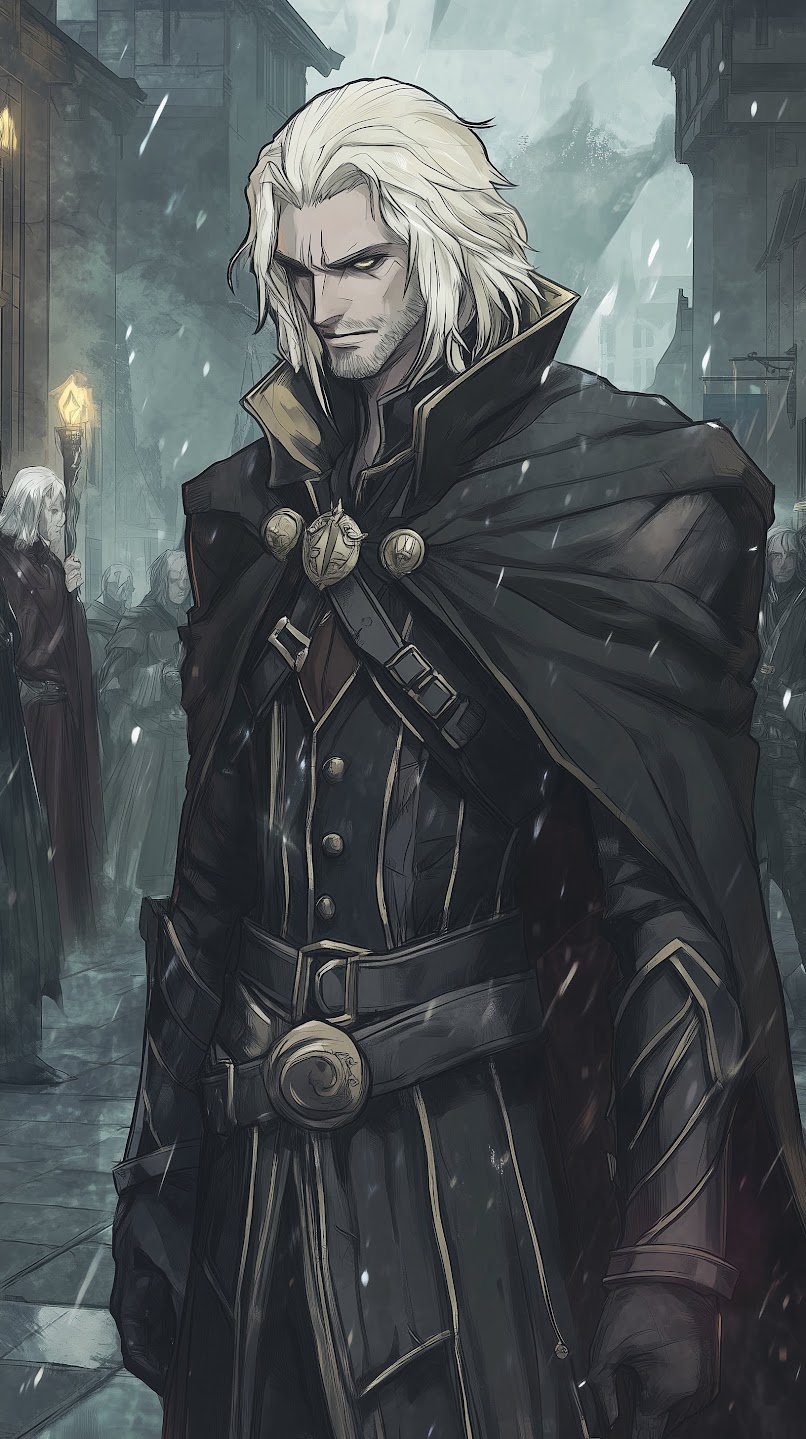
There are no formal qualifications that grant entry into the profession. No license, oath, or examination determines who may call themselves a journalist. The only qualification that matters is whether someone can gather information, verify it, and move it intact from one place to another without collapsing under pressure. Those who fail simply stop being heard from, and the profession continues without them.
Basic literacy is assumed, but it is not enough. Journalists must be able to write clearly under stress, often from incomplete notes taken in poor conditions. They must understand how language shifts meaning depending on audience and how a poorly chosen word can invalidate an entire account. The ability to read official documents, contracts, and coded correspondence is common among successful reporters, learned through necessity rather than instruction.
Observation is treated as a core competency. Journalists must notice details others overlook and recognize when something does not align with the story being told. This includes reading body language, understanding social hierarchies, and sensing when a conversation is being steered away from something important. These skills are developed through exposure and failure rather than teaching, refined by mistakes that carry consequences.
Social aptitude functions as an informal qualification. Journalists must know how to ask questions without provoking hostility and how to listen without appearing to judge. They must navigate between empathy and skepticism, offering enough trust to keep a source talking while withholding enough belief to verify independently. Those who lack this balance tend to alienate sources quickly or accept falsehoods too easily.
Physical endurance is an unspoken requirement. Long travel, irregular meals, exposure to weather, and lack of rest are normal conditions of the work. Journalists who cannot tolerate discomfort struggle to keep pace with events. The ability to move quickly, remain alert while exhausted, and continue functioning after minor injuries is often assumed rather than acknowledged.
Perhaps the most significant qualification is temperament. Journalists must be able to hold conflicting truths without rushing to resolve them and withstand pressure from all sides without becoming reactive. They must accept that their work will be doubted, misused, or ignored, sometimes all at once. Those who require validation or certainty rarely last, while those who can live with ambiguity tend to persist.
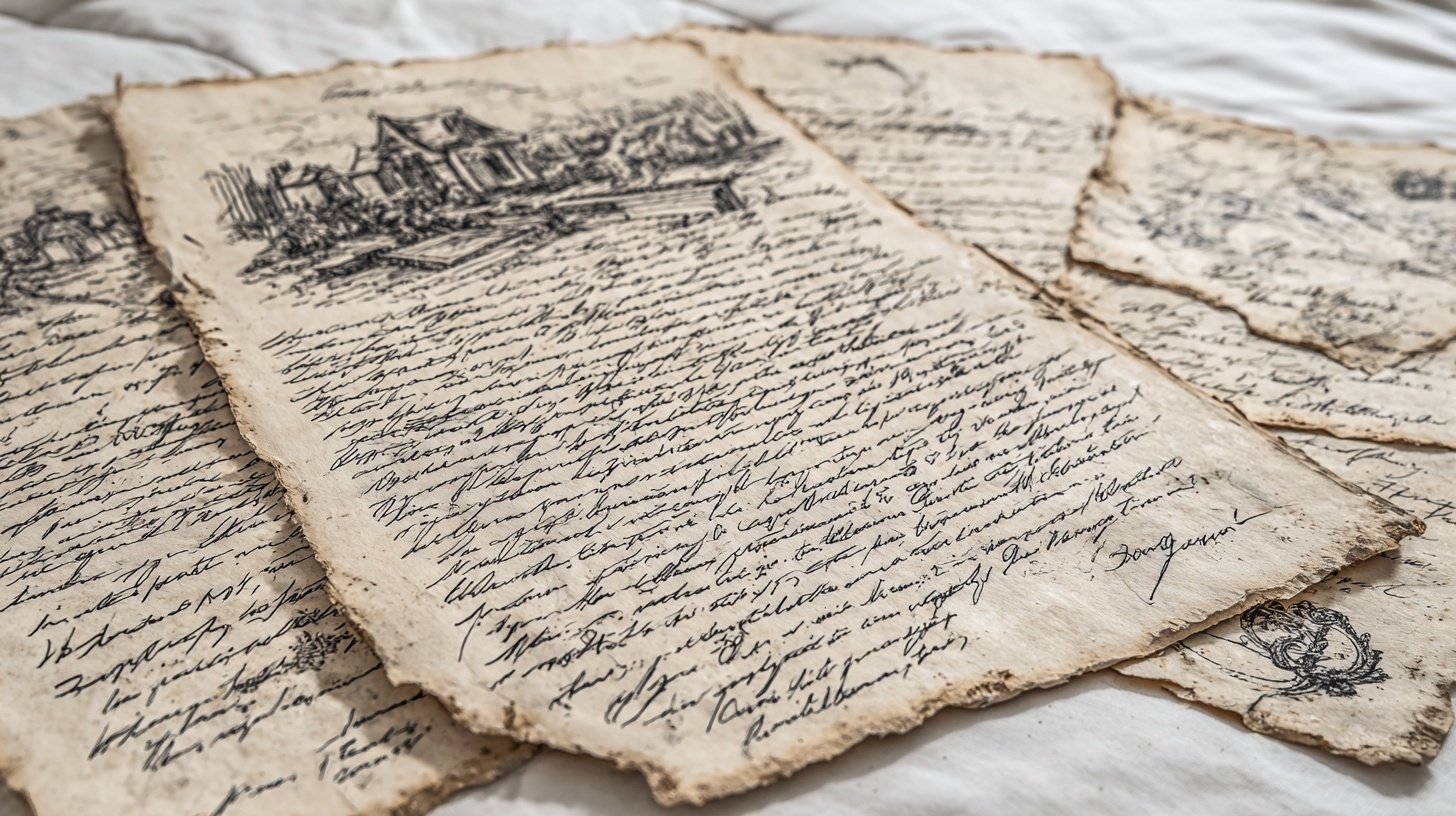
Career Progression
“Most careers climb ladders. This one just walks until it’s noticed.”
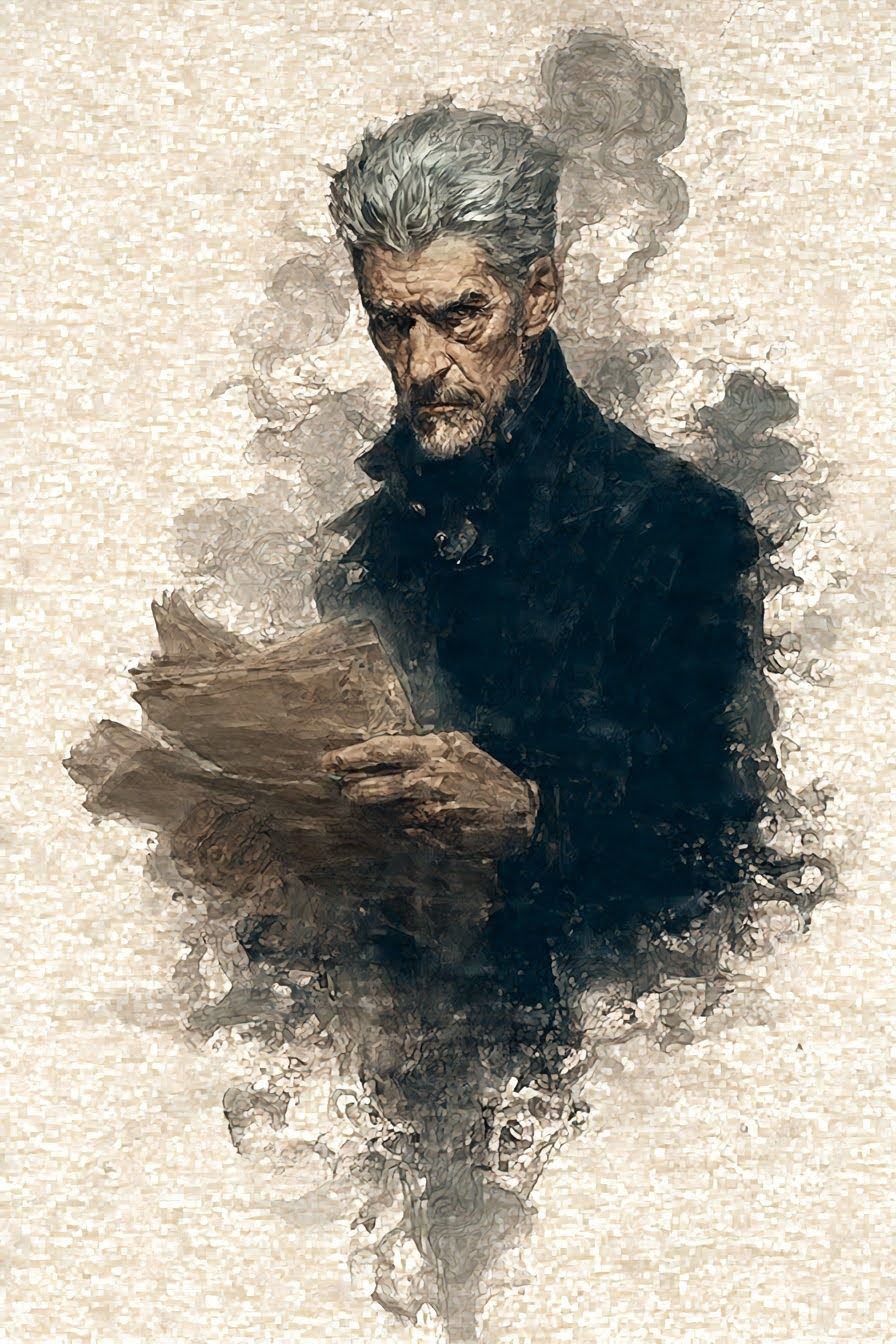
Entry into the profession rarely happens by design. Most journalists begin as opportunists, witnesses who wrote something down when no one else bothered, or messengers who learned that carrying the truth intact had value. Early work is erratic and largely unpaid, built from small tips, overheard conversations, and borrowed access. At this stage, a journalist’s name means nothing, and their work is judged entirely on whether it survives scrutiny long enough to be sold.
As experience accumulates, so does reliability. Junior reporters learn which leads are worth chasing, which sources waste time, and which questions close doors permanently. They develop routes, habits, and personal methods that let them work faster and safer than before. Stories begin to sell more consistently, not because they are larger, but because they arrive intact. Editors start to recognize names, even if they do not yet remember faces.
Mid career journalists occupy an unstable but powerful position. They are known quantities without being protected ones. Publishers may reach out with specific interests, requesting follow up or expansion on ongoing issues. These reporters are trusted enough to be given time sensitive leads and sensitive assignments, yet still expected to operate independently. Competition becomes sharper at this stage, as rivals track each other’s movements and attempt to undercut exclusives.
Some journalists transition into editorial roles after proving both judgment and restraint. These individuals stop chasing stories personally and begin shaping which stories matter. They coordinate networks of freelancers, decide what goes to print, and negotiate directly with publishers and distributors. While this offers stability and influence, it also distances them from the work that built their reputation. Editors who lose touch with the streets quickly lose relevance.
Others refuse permanence entirely and remain field reporters by choice. These veterans command higher payments and greater autonomy, selling stories selectively and declining assignments that compromise their standards or safety. Their names alone can move a story forward or stall it. They are often treated as authorities even when they hold no formal position, consulted by editors and younger journalists alike.
There are also those whose careers fracture rather than advance. Some burn credibility chasing spectacle. Others disappear after publishing something that could not be forgiven. A few retreat into anonymity, changing names and routes when their reputation becomes a liability. Progression in this profession is never guaranteed and never linear. It is shaped by survival, judgment, and the accumulation of consequences rather than time served.

Payment & Reimbursement
“Most people pay you to speak. The smart ones pay you not to.”

Payment for journalists is inconsistent by nature and rarely arrives cleanly. Most work on speculation, pursuing leads without any guarantee a story will sell once finished. Coin changes hands only after proof is delivered and interest confirmed. A reporter may spend weeks following a trail that ends in silence, denial, or a rival beating them to print. In those cases, the only compensation is experience and whatever favors were not spent along the way.
When payment does come, it is usually negotiated per story rather than per effort. Herald Sheets pay for impact, novelty, and timing, not for danger endured. A mundane but exclusive account can command more coin than a dramatic tale that arrives too late. Rates vary wildly between publications, with reputable sheets paying less but offering stability of reputation, while scandal driven presses pay aggressively for speed and sensational framing.
Reimbursement is a separate and more contentious matter. Travel costs, bribes, informant payments, damaged equipment, and medical expenses are often borne by the journalist up front. Some publishers reimburse selectively, favoring reporters they trust or stories that perform well. Others reimburse nothing at all, arguing that risk is part of the profession. Journalists learn quickly which editors honor expenses and which treat every copper spent as evidence of poor planning.
Advance payments exist but come with strings. Editors may fund travel or lodging for a promising lead, expecting priority access to the finished story. These advances can limit where and to whom the journalist may sell their work, sometimes without explicit contracts. A reporter who accepts too many advances risks becoming effectively owned without ever being formally employed.
Private commissions offer another revenue stream. Individuals, guilds, or factions may pay journalists to investigate quietly or verify information without publication. These arrangements often pay better than public reporting and may include reimbursement for expenses. They also carry higher personal risk, as discretion replaces visibility, and the journalist cannot rely on public exposure for protection if something goes wrong.
Delayed payment is common enough to be expected. Stories may be held for weeks until the political climate shifts or a rival publication moves first. During that time, the journalist receives nothing and is expected to remain available for revisions or follow up. Some are paid only once the story is physically printed and circulated, making distribution delays a direct financial threat.
In some regions, payment arrives in forms other than coin. Access, protection, transportation, or information may be offered in lieu of currency. Veteran journalists learn how to evaluate these arrangements carefully, understanding that favors can be harder to spend than silver and far more dangerous to collect.
Other Benefits
“Coin keeps you moving. Knowing your name still matters keeps you alive.”

One of the most tangible benefits of the profession is access. Journalists move through spaces that are closed to most people, not because they are welcomed, but because their presence is expected. Guards allow them closer. Officials tolerate their questions longer than they should. Witnesses speak to them first, sometimes only to them. Over time this access becomes habitual, creating opportunities to observe decisions and tensions as they form rather than after they harden into policy or rumor.
Reputation functions as a form of social currency. A journalist known for accuracy, discretion, or reach can leverage their name to secure cooperation or reduce interference. People may dislike them personally and still recognize the cost of antagonizing someone whose work circulates widely. This recognition does not grant safety, but it does change how others calculate risk when dealing with them.
Public recognition often follows sustained work, blurring into notoriety. Well known journalists become familiar presences in certain districts, courts, or trade hubs. Their arrival signals significance even before a word is written. This visibility can attract sources who would otherwise remain silent and discourage smaller threats that rely on anonymity. It also paints a target, creating a balance that each journalist learns to manage differently.
The profession offers a degree of autonomy that few others allow. Journalists choose their routes, their subjects, and the pace at which they work. There is no fixed hierarchy, only reputation and outcome. Even when constrained by danger or debt, the act of choosing what to pursue next remains central. For many, this freedom is the reason they stay despite the instability.
Long term work sharpens perception in ways that carry beyond journalism itself. Reporters develop an instinctive understanding of power, influence, and human behavior under stress. They learn how systems protect themselves, how lies evolve, and how truth survives when pressure is applied unevenly. These skills translate easily into other roles should a journalist ever leave the field.
There is also the benefit of shaping how events are remembered. Journalists leave records that persist beyond personal involvement. Their choices determine which moments are preserved intact and which fade into distortion. Even when their names are forgotten, the structure of public memory bears their imprint, tying their work to outcomes long after they have moved on to the next story.
Perception
Purpose
“People think the world runs on gold or steel. It does not. It runs on what people believe happened yesterday.”
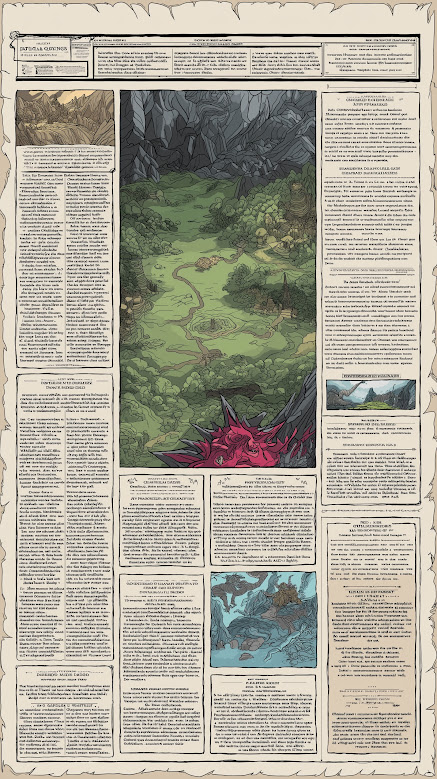
In societies shaped by fracture, distance, and mistrust, the journalist exists to keep reality from collapsing into rumor. When magic failed and old systems of knowing fell apart, the shared understanding of events did not vanish overnight. It rotted. Stories twisted as they traveled. Power learned quickly that silence and confusion were cheaper than armies. The journalist fills the gap left behind by certainty. They do not create truth, but they prevent lies from standing unchallenged long enough to become history.
At their most fundamental level, journalists act as witnesses for communities too large to see themselves clearly. No city can observe its own shadow from the inside. No kingdom can hear every grievance spoken in its alleys or markets. Journalists move between those blind spots, carrying accounts from one place to another, forcing distant events into the same conversation. They remind societies that what happens beyond the next district still matters, and that isolation is not the same as safety.
They also serve as an informal check on authority in cultures where formal oversight is slow, compromised, or deliberately opaque. Even in regions where rulers tolerate no official dissent, the fear of public exposure alters behavior. A decision made in private is not the same once ink threatens to touch it. The journalist does not need power of their own to be effective. They only need access and the willingness to publish. That alone is enough to make councils hesitate and nobles negotiate.
In mercantile centers and trade routes, journalists fulfill a different but equally vital role. They shape economic confidence. News of war, famine, corruption, or opportunity moves markets faster than caravans ever could. A report can ruin a house, collapse a contract, or elevate an unknown figure overnight. Merchants read Herald Sheets not for entertainment but for survival. In this way, journalists become unwilling participants in commerce, whether they respect that influence or exploit it.
Culturally, the profession acts as a mirror society cannot look away from. Journalists record triumphs, scandals, failures, and hypocrisies in the same ink. They decide which stories deserve permanence and which are allowed to fade. Over time, this shapes collective memory. Festivals are remembered because someone wrote about them. Atrocities endure because someone refused to let them disappear quietly. The journalist does not just report the present. They curate the past that future generations will inherit.
Finally, journalists fulfill a quieter role that few acknowledge openly. They give people language for unease they already feel but cannot articulate. When corruption is suspected but unproven, when a system feels wrong but no one can name why, a published story turns discomfort into focus. Even when the journalist is despised, even when their motives are questioned, the act of naming something alters it. In a world still learning how to trust again, that act alone is enough to make the profession indispensable and permanently unwelcome.

Social Status
“Everyone says they hate us. Funny how quiet the room gets when we stop writing.”

The social standing of journalists is defined less by respect than by necessity. They are rarely admired openly and almost never trusted without reservation, yet their absence is felt immediately. Most societies place them in an uneasy middle ground, neither honored nor outlawed, tolerated so long as their presence remains useful. People read their work, quote it, argue over it, and then deny believing it when challenged. This contradiction allows communities to engage with uncomfortable truths without having to claim responsibility for them.
Among common folk, journalists are regarded with a mixture of fascination and wariness. They are people who ask questions others have learned not to ask and repeat answers that were never meant to travel far. Some communities welcome them as voices for grievances that would otherwise be ignored. Others blame them for unrest, believing that naming a problem invites it to grow. A journalist arriving in a village may be offered hospitality or hostility, sometimes both in the same evening.
Within mercantile circles, journalists are treated as instruments rather than peers. They are valued for what they can influence rather than who they are. A favorable report can stabilize a market or elevate a trade house, while a critical one can unravel years of careful positioning. Merchants often cultivate relationships with journalists while quietly preparing to undermine them if needed. Courtesy is extended with one hand while leverage is gathered with the other.
Nobility and political authorities tend to hold journalists in visible disdain and private concern. The profession lacks formal rank, title, or mandate, yet it interferes directly with the management of image and narrative that power relies upon. Journalists are often excluded from courtly spaces not because they lack breeding, but because their presence introduces risk. Even so, their work circulates freely in those same halls, read closely by the people who publicly dismiss them.
Religious institutions and civic orders respond unevenly. Some see journalists as record keepers who preserve memory and accountability. Others view them as meddlers who reduce faith and tradition to ink and rumor. A journalist may be welcomed as a chronicler of great deeds one day and condemned as a blasphemer the next, depending entirely on what is written and who feels exposed by it. The profession offers no stable relationship with belief or authority.
Social mobility within the profession exists, but it is volatile. A journalist who proves useful, profitable, or sufficiently restrained may gain access to spaces denied to others of similar birth. Invitations are extended carefully and revoked without ceremony. Esteem is conditional and temporary, granted for outcomes rather than principles. Advancement is always personal and never inherited, and the same reputation that opens doors can close them just as quickly when the wrong name appears in print.
History
“Before the fall, the truth arrived all at once. Afterward, it had to be carried.”

Before the Shattering, the flow of information was effortless in ways later generations struggle to imagine. Arcane networks carried messages across vast distances. Diviners confirmed events before witnesses could speak. Official records updated themselves through spellwork that assumed permanence. News did not need to be chased because it appeared. When these systems failed, the collapse was immediate and total. Cities woke to silence where certainty once lived, and for the first time in centuries, no one knew what was happening beyond the horizon.
In the first decades after the Shattering, information survived only through travelers and rumor. Caravans became unwilling messengers. Sailors carried half remembered stories from port to port. Every retelling distorted events further until truth and fiction were indistinguishable. Power consolidated around whoever controlled the loudest voice rather than the most accurate one. It was during this period that the earliest journalists emerged, though they were not yet called that. They were scribes, witnesses, and messengers who chose to write things down and move them intact rather than let them decay through repetition.
These early practitioners worked without recognition or protection. They were often dismissed as nuisances or alarmists, especially when their reports contradicted comforting assumptions. Many were attacked for carrying unwelcome news. Others vanished entirely. Still, their work spread because it answered a hunger no authority could suppress. People wanted to know what was real. Communities began to rely on certain names whose reports proved consistently accurate, even when the truth was unpleasant.
As trade routes stabilized and mundane infrastructure improved, these independent record keepers began to organize informally. They shared routes, exchanged copies of notes, and developed basic standards for corroboration. Herald Boards appeared in market squares, initially as communal notice spaces where travelers posted accounts of events. Over time, individuals took responsibility for maintaining them, curating which reports were credible and which were rumor. This was not a centralized movement. It grew unevenly, shaped by geography and necessity rather than ideology.
The gradual return of magic did not reverse this development. Arcane methods were treated with caution and often outright distrust. Too many remembered how completely they had failed. Journalists learned to rely on methods that did not disappear when spells did. Ink, witnesses, physical evidence, and personal presence became the backbone of the profession. Magic was reintroduced slowly as a tool rather than a foundation, used to assist travel or verification but never to replace human observation.
By the time organized Herald Sheets began circulating, journalism had already established its character. These publications did not invent reporters. They monetized them. Publishers recognized that stories sold better when they were timely, exclusive, and provocative. Competition intensified. Editors emerged as power brokers who decided which accounts reached wider audiences and which died quietly. This period saw the rise of sensationalism alongside rigorous investigation, both drawing from the same historical roots.
Over generations, the profession fractured into recognizable strains. Some journalists aligned themselves closely with civic institutions, emphasizing stability and verification. Others embraced scandal, speed, and spectacle. The tension between these approaches became a defining feature rather than a flaw. Public trust waxed and waned accordingly, but the profession endured because it no longer depended on being liked. It depended on being read.
In the present age, journalism is no longer seen as a reaction to catastrophe, but its origins are never forgotten. Every reporter inherits a tradition shaped by absence, improvisation, and risk. The memory of a world that once knew everything instantly still lingers as a warning rather than a goal. The profession exists because certainty can vanish, and someone must be willing to walk into that uncertainty, record what they find, and bring it back intact.
Operations
Tools
“Ink is heavier than it looks when you have to carry it out alive.”

The most essential tool a journalist carries is a notebook, though it rarely resembles the clean ledgers imagined by outsiders. Pages are crowded with cramped script, symbols known only to the writer, and marginal marks that track sources, doubts, and revisions. Many keep multiple notebooks rather than one, separating raw observations from names, payments, and conclusions. Loss of a notebook can mean more than lost work. It can expose sources, invalidate months of effort, or place a journalist in immediate danger if read by the wrong hands.
Ink and writing implements are chosen with care. Cheap ink runs in rain and smears under stress, while quality inks resist water and fading. Some journalists favor charcoal sticks or wax tablets for moments when writing must be done quickly and destroyed just as fast. Others carry seal stamps or personal marks to authenticate copies of their work when sending reports ahead by courier. These small choices reflect hard learned lessons about travel, weather, and pursuit.
Clothing is selected for endurance rather than appearance, even among those who dress respectably in public. Coats and boots are built for long hours on the road, narrow stairwells, and sudden flight. Hidden pockets are common, sewn into linings to conceal notes or coin. Many journalists dress to blend rather than stand out, adopting the look of merchants, clerks, or pilgrims depending on region. The goal is access first and recognition only when it serves the story.
Travel gear is as important as writing tools. Journalists rely on packs that can be carried all day without slowing movement. Bedrolls, compact rations, and weatherproof wraps allow them to sleep where opportunity demands rather than where safety is guaranteed. Maps are heavily annotated and frequently updated. Routes are memorized not for efficiency alone, but for escape. Knowing three ways out of a city is considered basic competence.
Communication tools vary by means and means available. Couriers remain the most trusted method for moving information, and many journalists maintain standing arrangements with specific riders or ships. Messages are often encoded or deliberately fragmented, sent in parts that only make sense when assembled. In regions where magic is accepted, some journalists use enchanted sending devices or scry resistant containers, though few rely on them exclusively. Redundancy is a professional instinct, not a luxury.
At the higher end of the profession, tools become more specialized but no less practical. Editors and veteran reporters may carry portable presses, copying frames, or compact binding kits that allow them to reproduce reports quickly in the field. Some employ mechanical lenses, listening tubes, or alchemical compounds that preserve documents or reveal alterations. These tools are not symbols of prestige so much as investments in speed and survival. A journalist who can write, verify, and distribute before anyone else controls the narrative, and control is the one resource this profession cannot afford to lose.

Workplace
“Quiet rooms make bad news. You want a place that never quite settles."
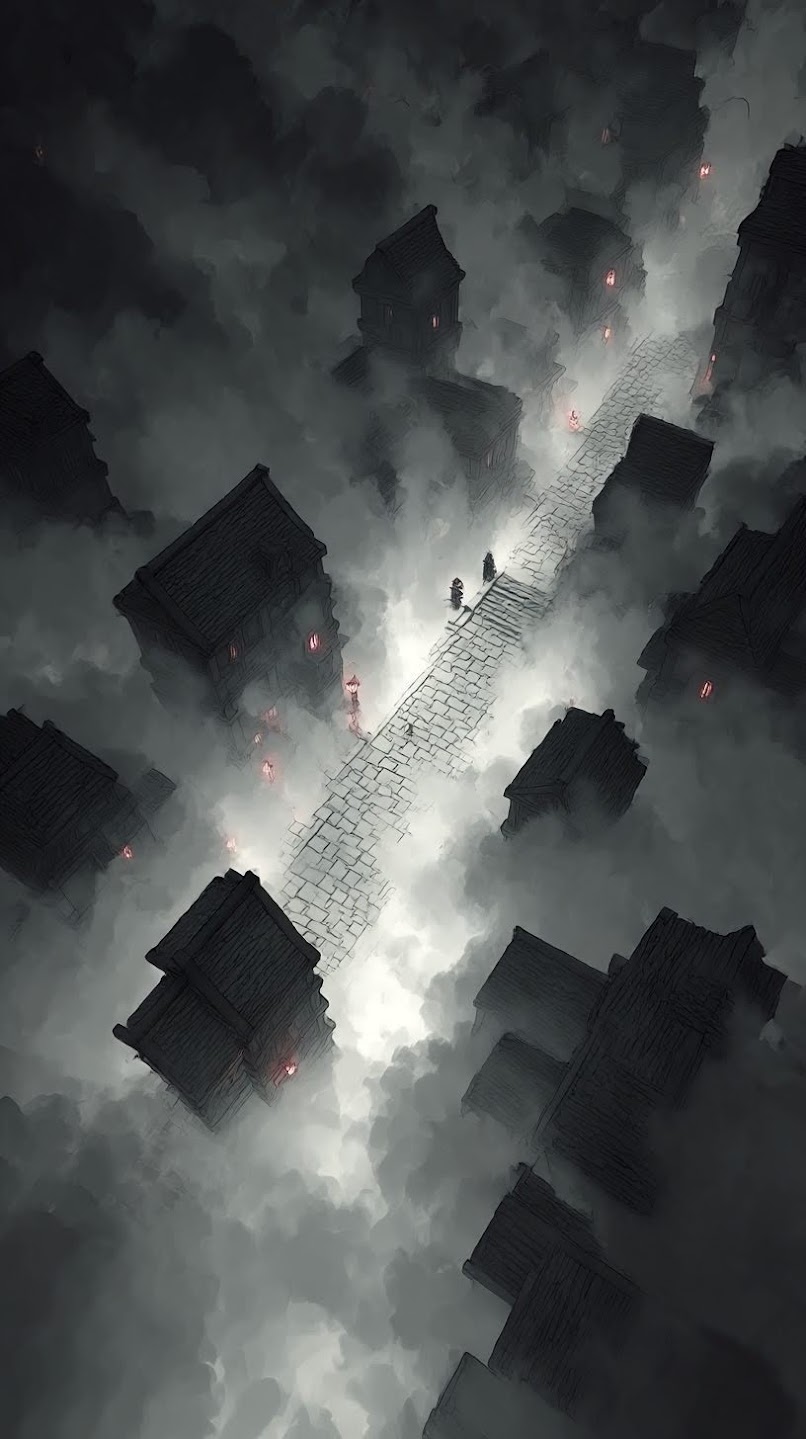
A journalist’s workplace is wherever something has just gone wrong. It is the edge of a crowd that has not decided whether to riot or disperse. It is the back step of a burned building while the smoke still stings the eyes. It is a dock at dawn when a ship comes in early and no one wants to explain why. Journalists do not arrive after events have settled. They arrive while people are still lying about what happened.
Most of the work happens standing up. Leaning against walls. Sitting on crates, curbstones, or overturned barrels with a notebook balanced on one knee. They write while watching hands, listening for changes in tone, and tracking who leaves first. There is rarely a table, and when there is, it is borrowed and temporary. The ground is often wet, uneven, or littered with debris. Comfort is irrelevant. Proximity is everything.
The sounds of a journalist’s workplace are human and uncontrolled. Raised voices. Half whispered arguments. The clatter of guards moving through a street. The low murmur of a crowd deciding what it believes. Ink scratches under pressure as someone talks too fast and then goes silent. Every environment has its own noise, and learning which sounds matter is part of the job.
The smells are sharp and immediate. Sweat and smoke. Spilled ale. Sea brine. Blood when things have gone badly enough. Journalists learn to write through it without reacting, because flinching breaks trust and draws attention. If the air is clean, it usually means the story is already over or already managed by someone else.
Shelter, when it exists, is borrowed. A tavern booth for an hour. A stable loft for the night. A courier shed while rain pounds the roof hard enough to drown conversation. Notes are kept close, often hidden inside coats or boots, because there is no desk to leave them on and no door to lock. Sleep happens when it can, and writing often happens immediately afterward, before memory blurs.
Light is whatever can be found. Daylight if the story breaks early. Lantern glow if it does not. Sometimes only firelight or reflected moon. Journalists learn to write in poor conditions and to trust their own shorthand when letters blur. If they wait for ideal conditions, someone else will file first.
Even when stationary, the workplace is unstable. A street can turn hostile in minutes. A tavern can empty or fill with the wrong people without warning. Journalists keep their bodies angled toward exits without appearing ready to flee. Bags are packed lightly. Routes are memorized instinctively. Every place they work is treated as temporary because it is.
In this profession, the workplace is not a location. It is a moment. It exists only as long as the truth is still undecided and someone is willing to talk. Once the story hardens into consensus or silence, the workplace disappears, and the journalist moves on, ink drying as they walk.

Provided Services
“They think I sell words. What I actually sell is attention, and that costs extra.”
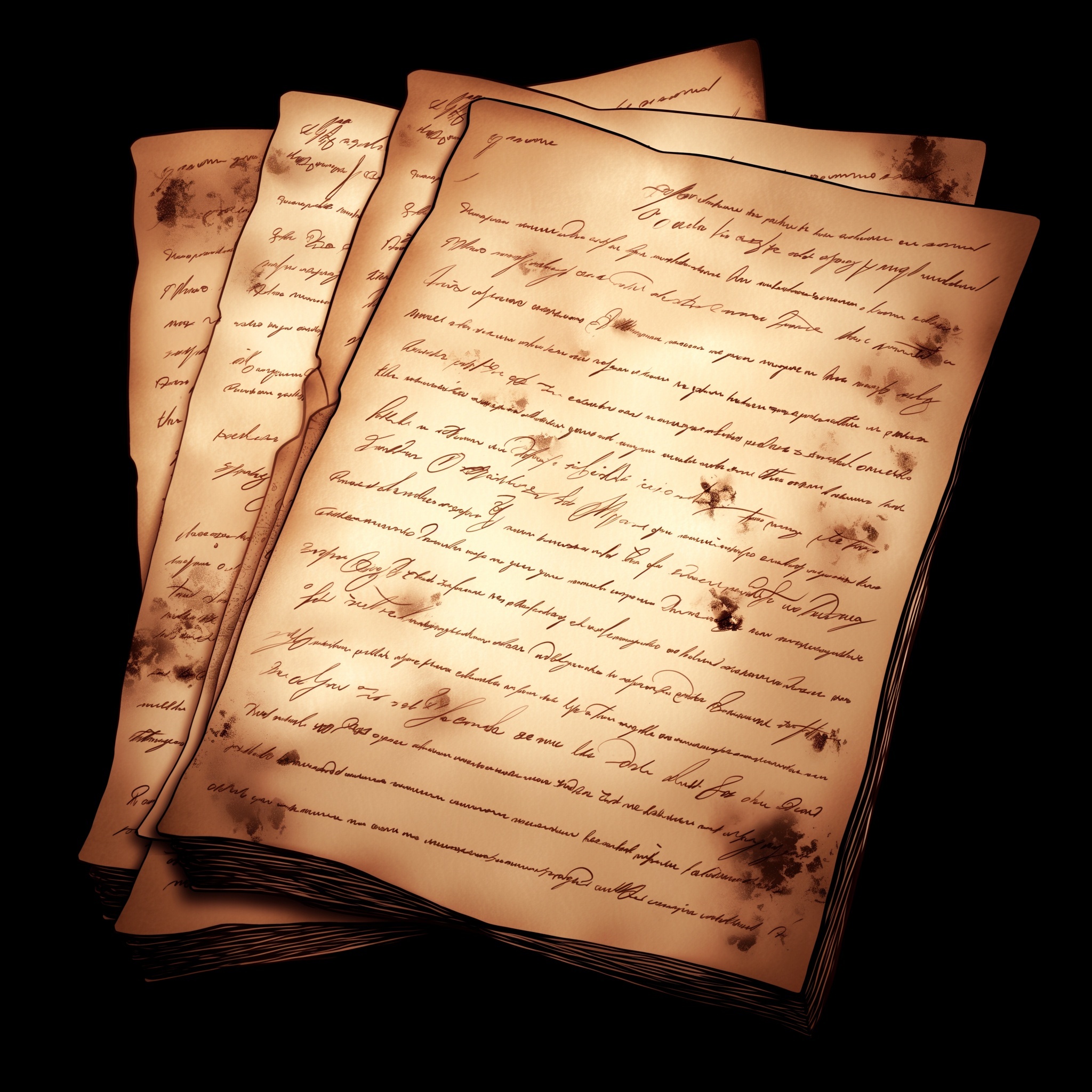
The most common service a journalist provides is investigation on demand. Individuals, guilds, merchants, and factions hire reporters to uncover facts that cannot be obtained through official channels. This includes tracing the origin of rumors, confirming whether an incident actually occurred, identifying involved parties, or determining who stands to gain from a seemingly random event. The journalist is paid for persistence and verification, not for delivering comfort or resolution.
Journalists are frequently contracted to verify claims before action is taken. Accusations, confessions, contracts, and threats often arrive with too many unknowns to act upon safely. A reporter may be hired to corroborate witness accounts, confirm identities, or assess whether evidence has been altered or staged. In these cases, the service ends with a private report rather than public release, and discretion is often valued more than speed.
Another service commonly sought is deliberate exposure. Clients who feel powerless may commission a journalist to publish a story with the intent of forcing a response through public pressure. This can involve corruption, fraud, abuse of authority, or concealed wrongdoing. The journalist controls how the information is framed and when it is released, understanding that once published the outcome cannot be fully controlled by either party.
Some journalists offer reputation management through selective reporting. Without fabricating events, a reporter can influence how a subject is perceived by choosing which facts are emphasized and which are omitted. Merchants recovering from scandal, officials seeking legitimacy, and organizations attempting to redirect public focus may all seek this service. It carries long term risk for the journalist, as credibility erodes each time perception outweighs substance.
Journalists are also used as intermediaries for sensitive information. Sources who fear retaliation may provide material to a reporter with the expectation of anonymity or delayed release. In some arrangements, journalists are paid simply to safeguard information until conditions change. This service relies entirely on trust, and only journalists with established reputations are considered viable for it.
Finally, journalists provide targeted dissemination. They understand which Herald Sheets matter in which regions, how information travels along trade and courier routes, and how to ensure a story reaches specific audiences. A client may care less about broad readership than about ensuring the right individuals cannot ignore the report. In these cases, the journalist’s value lies in placement and timing rather than authorship.

Dangers & Hazards
“Most people think the danger comes after the story runs. They never notice how many stories die before that.”
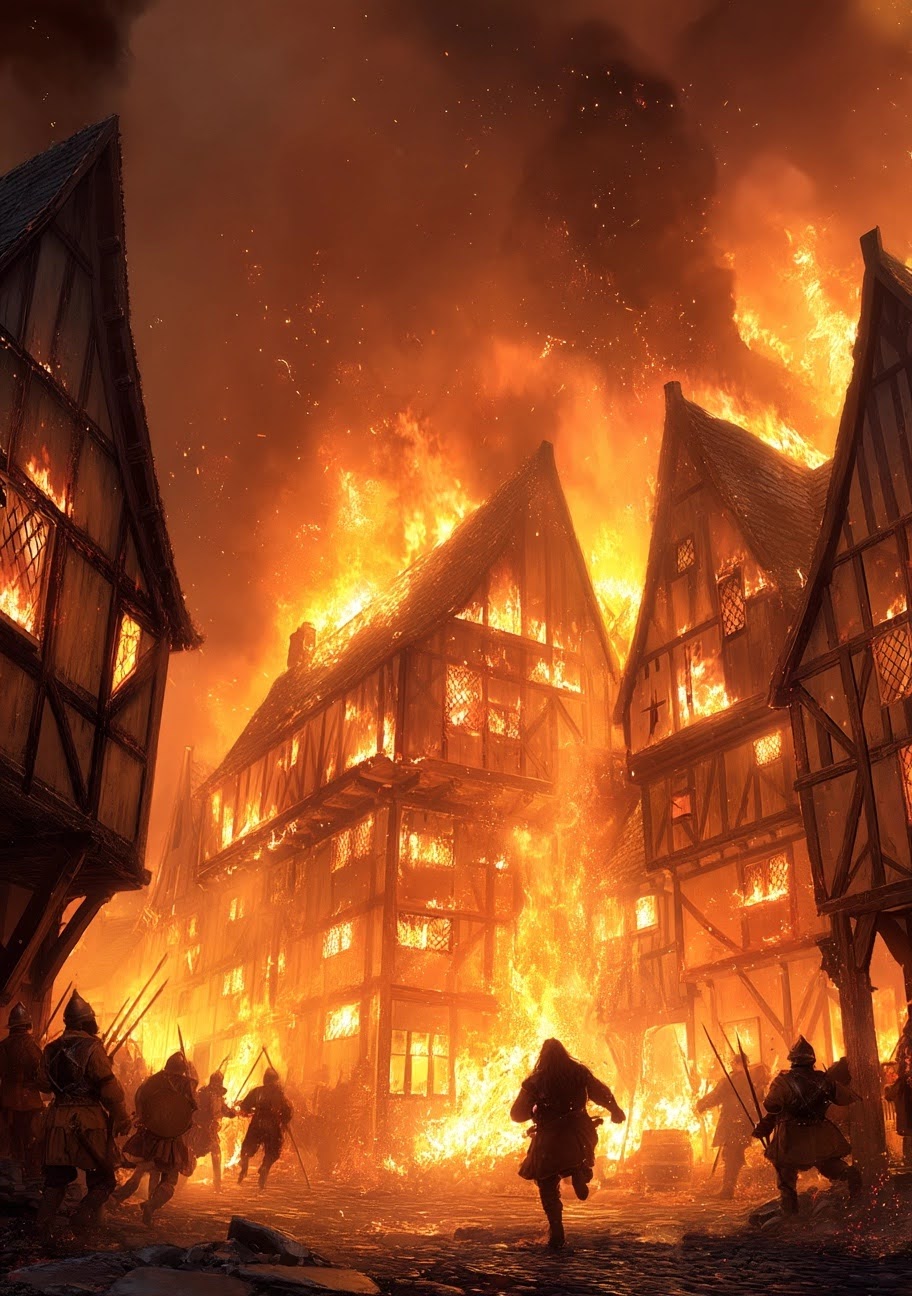
The most immediate hazard faced by journalists is proximity to volatile situations. They work where tempers are still hot, facts are disputed, and no one has agreed on who is to blame. Riots, crime scenes, labor disputes, and public accusations are not backdrops. They are active environments that can turn violent without warning. A journalist who misreads a crowd or lingers too long can become a target simply for being present.
Retaliation is a constant and expected risk. Powerful individuals and organizations do not need proof of guilt to feel threatened by inquiry. Journalists are followed, threatened, bribed, framed, and occasionally attacked in ways designed to send messages rather than solve problems. Violence is rarely the first response, but it is always on the table. Many journalists carry scars not from combat, but from encounters meant to discourage further questions.
Social isolation is another hazard that builds over time. Journalists are lied to habitually and rarely told the full truth even by allies. Trust becomes transactional, and genuine relationships erode under the weight of suspicion. Friends stop speaking freely. Sources disappear. Hospitality becomes conditional. The longer someone works in the profession, the smaller their circle tends to become.
Legal danger varies by region but is never absent. Arrests for obstruction, trespass, sedition, or defamation are common tools used to suppress reporting. Even when charges do not hold, detainment delays publication and intimidates sources. Fines, confiscation of notes, and forced testimony are used to drain resources and time. Journalists learn that legality is often flexible when authority feels exposed.
Economic instability is an ever present threat. Freelance work provides no guarantee of payment, and stories do not always sell. Travel, bribes, and lost equipment create debt quickly. A journalist can spend months pursuing a lead only to be undercut by a rival or silenced by circumstance. Hunger and exhaustion are treated as professional inconveniences rather than emergencies.
There is also the hazard of becoming part of the story. Journalists who stay too long in certain circles risk losing perspective. They may begin to shape events through their presence rather than observation, or confuse influence with understanding. Some grow cynical and careless. Others become crusaders and lose credibility. The profession offers no protection from these failures, and those who fall into them rarely realize it until their work stops being trusted.
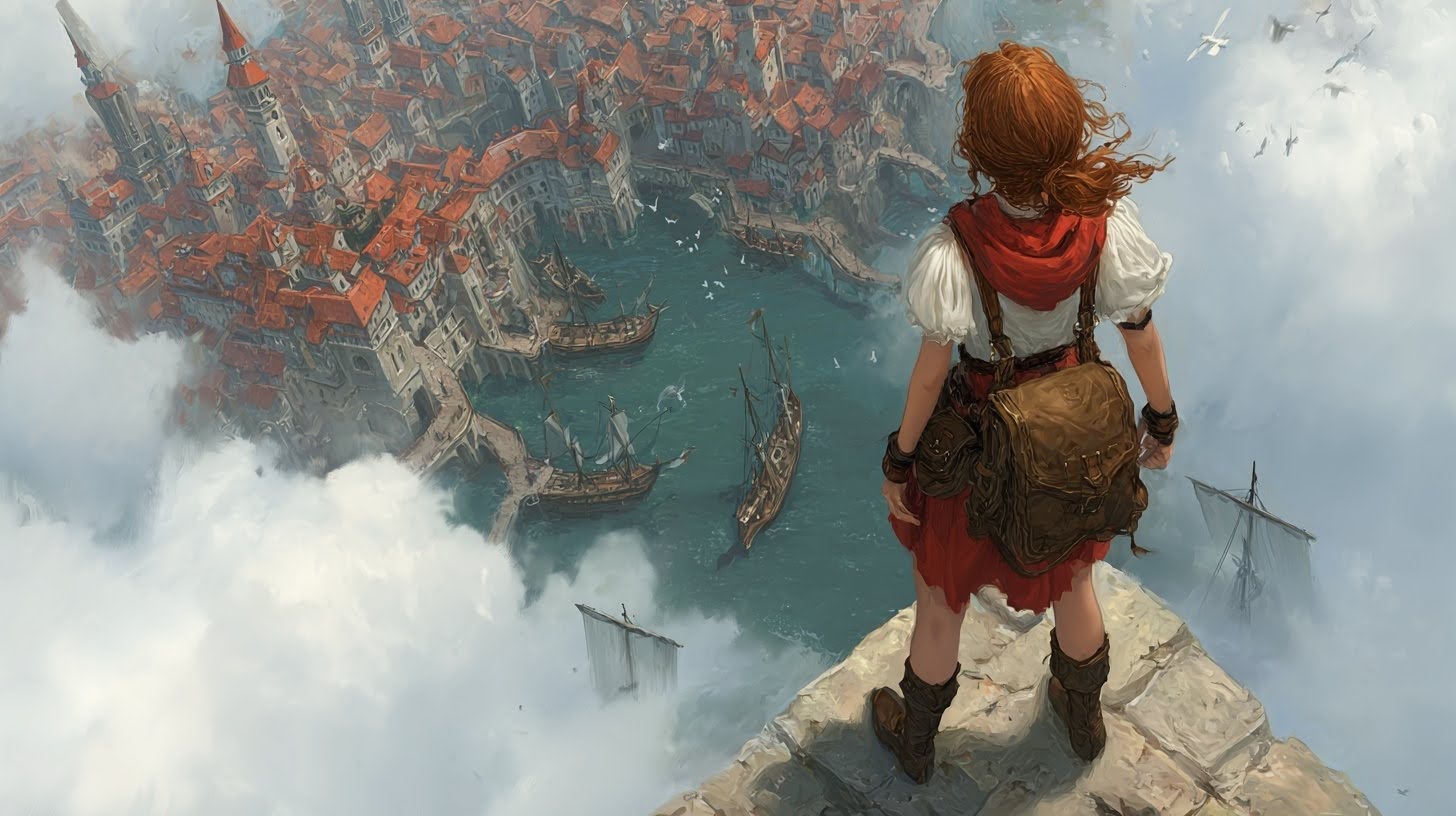

“They warned me the job would get me killed. They forgot to mention how often it would get interesting first.”



Comments