


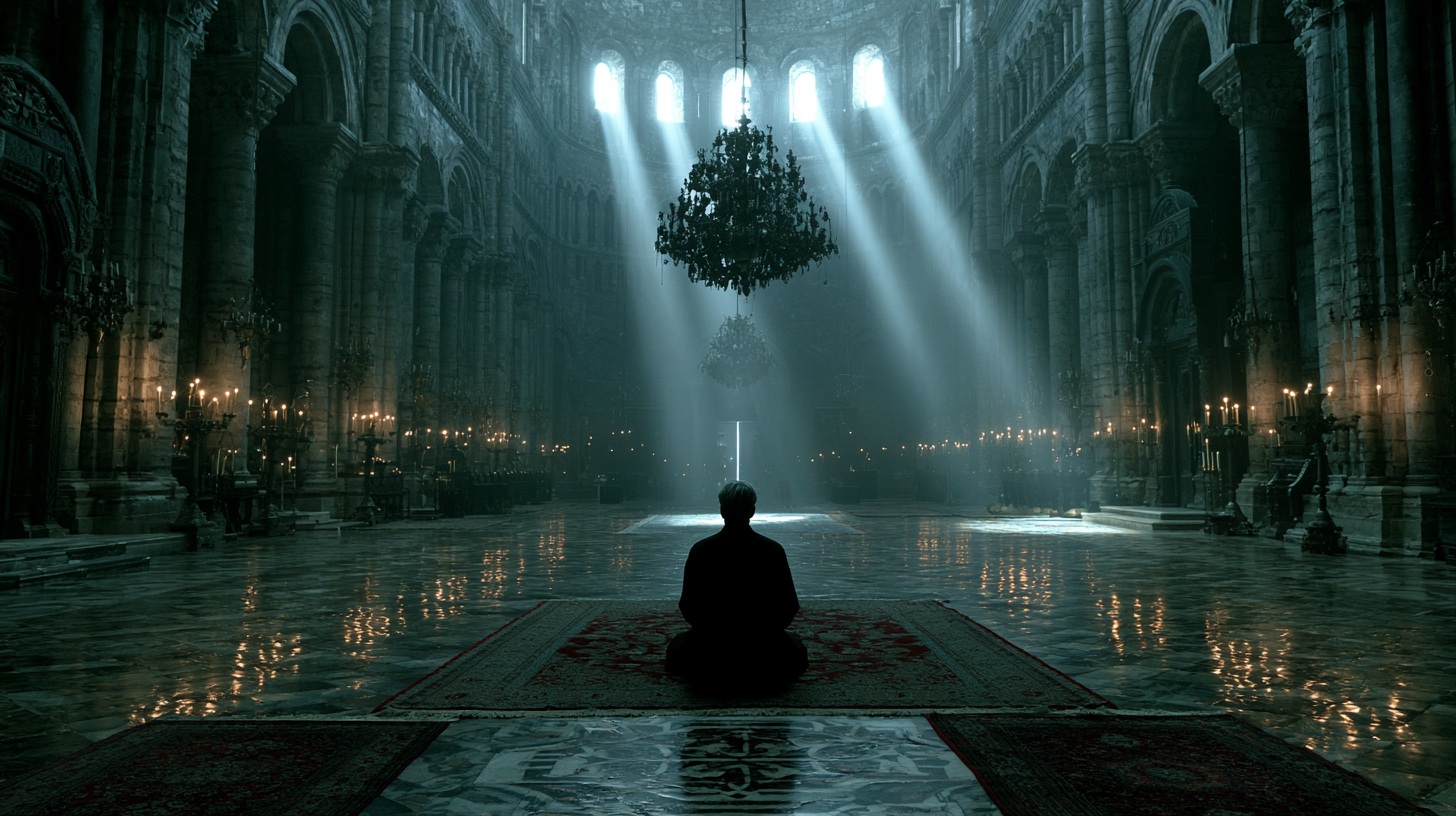
Iconoclast
Brave New World
“You mistake me, Chancellor. I did not come to tear down your sacred truths. I merely asked why they require so many guards.”
Most people imagine revolutions begin with armies.
History suggests they usually begin with an uncomfortable question.
The Iconoclast is not defined by disbelief, rebellion, or even opposition. They are defined by refusal. A refusal to accept that an idea deserves protection merely because it is old. A refusal to obey an institution merely because it is powerful. A refusal to remain silent merely because silence would be safer.
Every society produces such people eventually.
Most are remembered only as nuisances during their lifetimes.
Many become far more important after they die.
The path to becoming an Iconoclast rarely begins with grand ambition. More often it begins with disappointment. A priest discovers corruption within a temple hierarchy. A scholar uncovers evidence contradicting accepted doctrine. A noble heir realizes the traditions preserving their family's influence are built upon lies. A soldier witnesses the gap between patriotic rhetoric and battlefield reality.
At first they ask questions.
Then they receive warnings.
The transition from respected member of society to dangerous dissident often occurs faster than anyone expects.
This is because institutions tolerate disagreement far more easily than they tolerate scrutiny. Arguments can be ignored. Criticism can be dismissed. Evidence is more troublesome. Evidence forces people to choose between reality and comfort, and comfort usually has more supporters.
An Iconoclast learns this lesson quickly.
Many spend years believing truth alone will be persuasive. They publish findings. Deliver speeches. Write letters. Present documents. Appeal to reason. They imagine that once people see what they have seen, change will naturally follow.
Experience tends to cure this assumption.
The problem is not that people cannot recognize truth.
The problem is that truth often carries consequences.
A corrupt church may provide charity alongside its corruption. A flawed government may still maintain order. A tradition built on falsehood may nevertheless provide meaning to thousands of people. Iconoclasts eventually discover that exposing a lie and replacing it are very different challenges.
This realization separates reformers from revolutionaries.
Some Iconoclasts seek improvement. They challenge institutions because they wish to save them. They expose corruption because they still believe the original purpose was worthwhile. Such individuals often become the most frustrated, because institutions rarely appreciate being rescued against their will.
Others abandon reform entirely.
They conclude that certain systems cannot be repaired, only dismantled. These Iconoclasts become feared figures. Their writings circulate secretly. Their speeches attract crowds. Their names appear in sermons, proclamations, and public warnings. Authorities describe them as threats to stability. Admirers describe them as voices of courage.
Both descriptions are often accurate.
The consequences of public dissent linger for years. Once someone becomes known for challenging accepted beliefs, neutrality becomes difficult. Supporters seek them out. Opponents remember them. Every statement receives scrutiny. Every mistake becomes ammunition. Entire reputations form around a single argument spoken at the wrong place and time.
Many Iconoclasts become symbols against their wishes.
The person disappears.
The controversy remains.
This creates a strange loneliness. Friends become cautious. Former allies grow distant. Conversations acquire hidden tensions. People stop speaking to the individual and begin speaking to the reputation instead. The Iconoclast discovers that changing minds is often easier than escaping notoriety afterward.
Yet despite the cost, societies continue producing them.
Perhaps because every institution eventually accumulates assumptions nobody remembers questioning. Every tradition acquires defenders who mistake age for wisdom. Every authority figure eventually encounters the temptation to place obedience above truth.
When that happens, someone inevitably speaks.
Someone asks the inconvenient question.
Someone points toward the contradiction everyone else has learned to ignore.
Most people wish they had not.
The institution certainly wishes they had not.
History, however, tends to remember them differently.
Because every accepted truth was once controversial.
And every sacred certainty was once merely an idea waiting for someone brave enough to challenge the one that came before it.

“Yesterday they called him a respected scholar. Today they call him a dangerous radical. Curious how often the difference depends upon who read the manuscript first.”
Type
Political



Comments