


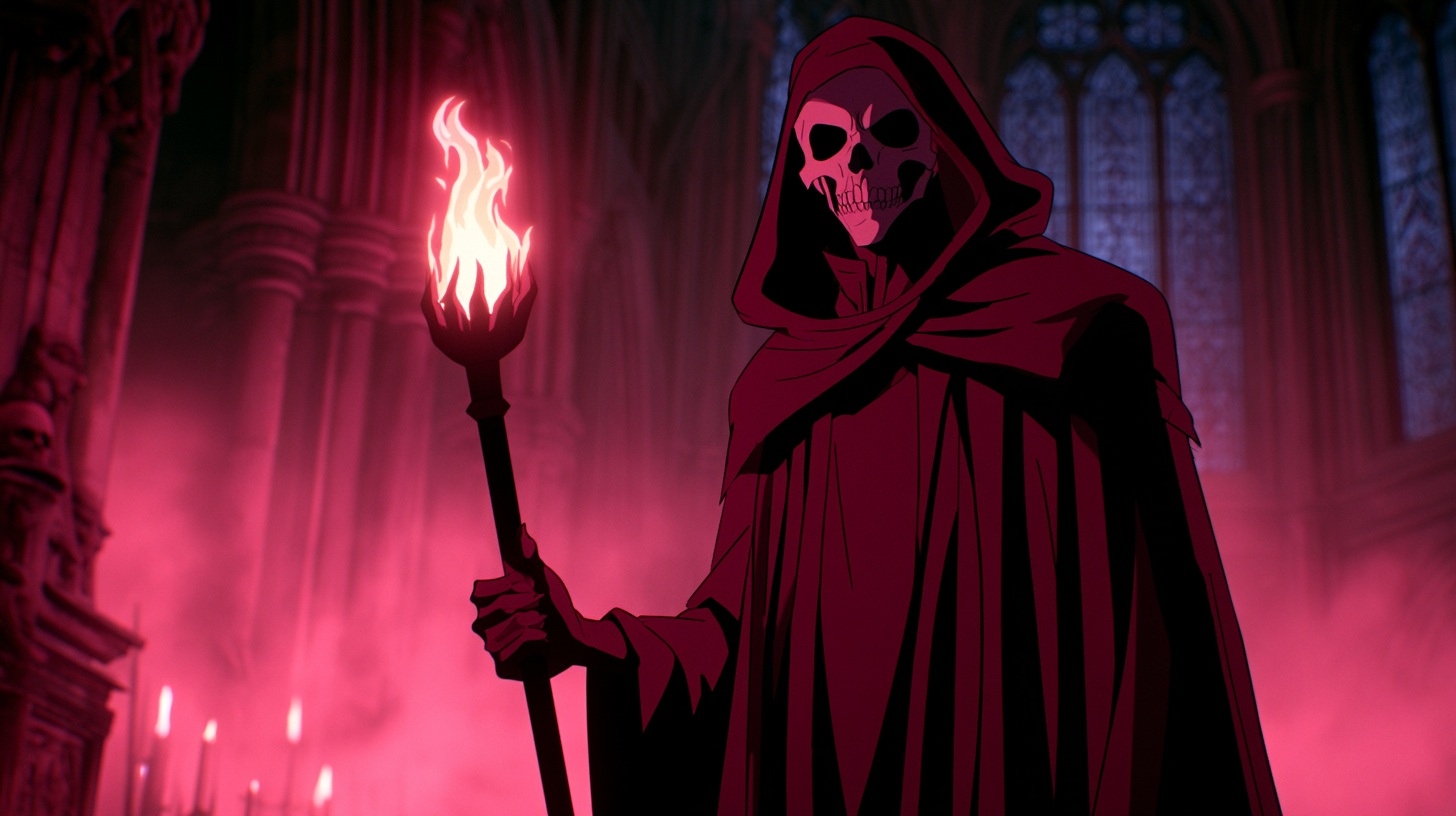
Heretic
Poisioned Faith
“They called him a heretic because he asked whether mercy should apply to enemies as well as friends. Strange how often kindness becomes blasphemy the moment power feels inconvenienced by it.”
A Heretic learns very quickly that truth matters far less than who controls the sermon.
Some earn the accusation honestly. They questioned sacred doctrine too publicly, translated forbidden passages incorrectly, uncovered corruption inside temple walls, or refused obedience at precisely the wrong moment. Others are condemned for reasons far more practical. Political convenience. Rivalries between clergy. Fear disguised as righteousness. A frightened institution discovering that one inconvenient person asking the wrong question can threaten generations of carefully maintained certainty.
Once declared a heretic, the details stop mattering.
The label survives on its own.
Religious authorities understand the power of narrative better than kings often do. A criminal breaks laws. A heretic threatens meaning itself. Their existence suggests doctrine may be flawed, leadership may be corrupt, or divine truth may not belong exclusively to the people claiming authority over it. That possibility frightens institutions deeply enough to justify almost anything afterward.
Exile becomes mercy.
Many heretics spend the rest of their lives moving carefully through places where strangers may recognize their names from sermons, public condemnations, or cautionary stories repeated to children. Some regions merely treat them with suspicion. Others burn people over less. The wise learn quickly when to hide symbols, soften opinions, avoid theological discussion, or introduce themselves using false names.
This produces a particular kind of person.
Careful. Observant. Difficult to intimidate once intimidation has already ruined their life once before.
Heretics know religion intimately because most of them once believed sincerely. They recognize ceremonial vestments, doctrinal divisions, sacred calendars, and political tensions between temples instinctively. They know which prayers are spoken publicly and which ones clergy whisper only behind locked doors. They know how religious institutions move money, influence rulers, shape public fear, and preserve power while claiming humility.
And many still miss aspects of faith terribly.
That is the uncomfortable truth beneath the bitterness. Very few heretics begin as cynics. Most began as believers who cared too much. The scholar who translated ancient scripture honestly despite contradictions. The priest who exposed abuse within the temple hierarchy. The devotee who asked why compassion disappeared whenever authority felt threatened. Heresy often begins not with rejection of belief, but disappointment in what belief became.
This leaves scars difficult to explain to outsiders.
Many heretics still carry forbidden texts wrapped carefully in oilcloth despite knowing possession could condemn them again. Some continue observing rituals privately even while publicly denying affiliation. Others memorize prayers from faiths they no longer trust because years of repetition etched sacred words too deeply into the mind to fully remove.
And some are haunted by the possibility that the institution might have been right after all.
That fear follows them constantly.
Not fear of punishment. Fear of certainty. Fear that perhaps there truly is something wrong inside them that others recognized before they did. Religious condemnation reshapes identity with horrifying efficiency. When entire communities repeat for years that someone is dangerous, corrupt, blasphemous, or spiritually diseased, eventually even the condemned begin wondering whether some part of it might be true.
That doubt is where many inquisitions do their deepest damage.
Still, exile creates strange alliances. Heretics learn how to locate hidden congregations, dissident theologians, underground shrines, and communities surviving outside official approval. Every major faith produces splinter groups eventually. Quiet reformers. Secret practitioners. Priests who lost faith in the hierarchy but not the divine itself. The condemned recognize one another by caution, by coded phrases, by the exhausted look people develop after surviving too much certainty wielded like a weapon.
Not all heretics are noble.
Some absolutely deserve the title.
Forbidden rites. Blasphemous bargains. Dangerous knowledge hidden from the public for good reason. A surprising number of theological prohibitions exist because somebody, somewhere, attempted something catastrophic and left enough survivors behind to warn future generations. Veteran heretics understand this better than most because they have seen firsthand how easily persecution and legitimate danger become tangled together.
That ambiguity defines the life.
The heretic becomes someone standing permanently between belief and doubt, unable to return fully to either side. Religious authorities view them as dangerous. Cynics distrust them for remaining fascinated by theology at all. Yet despite everything, many continue searching for truth with stubborn determination because abandoning the question entirely would mean surrendering the part of themselves that asked it in the first place.
And questions are dangerous things.
Especially the old ones.
Questions about why divine institutions resemble kingdoms so closely. Questions about why sacred texts change quietly over centuries. Questions about why compassion disappears so quickly whenever power feels challenged. Questions about who benefits when doubt itself becomes criminal.
Every religion claims heretics threaten social order.
History suggests the truly dangerous heretics are usually the ones who discover exactly why that statement keeps proving true.
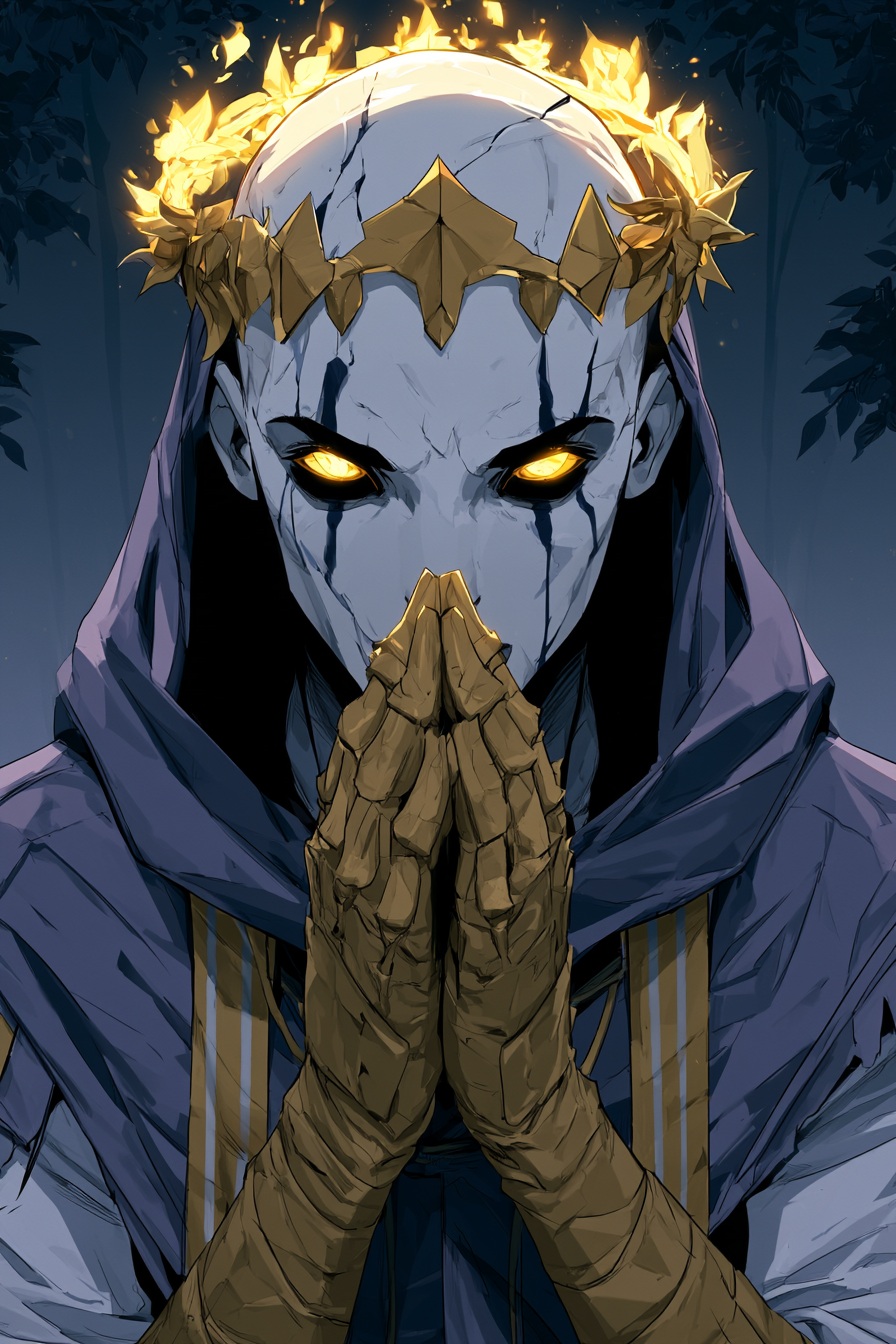
“I no longer fear the gods, brother. I fear the men who speak for them with such terrible certainty.”
Type
Religious



Nice idea for a background its essentially the anti-acolyte background which is cool to see. I like the fact that your background offers more details, its makes a lot of difference for player's making background who need a bit of direction.
Still standing. Still scribbling. Still here.
The Last Home
thanks! this one was harder to develop than it seems at first glance,