


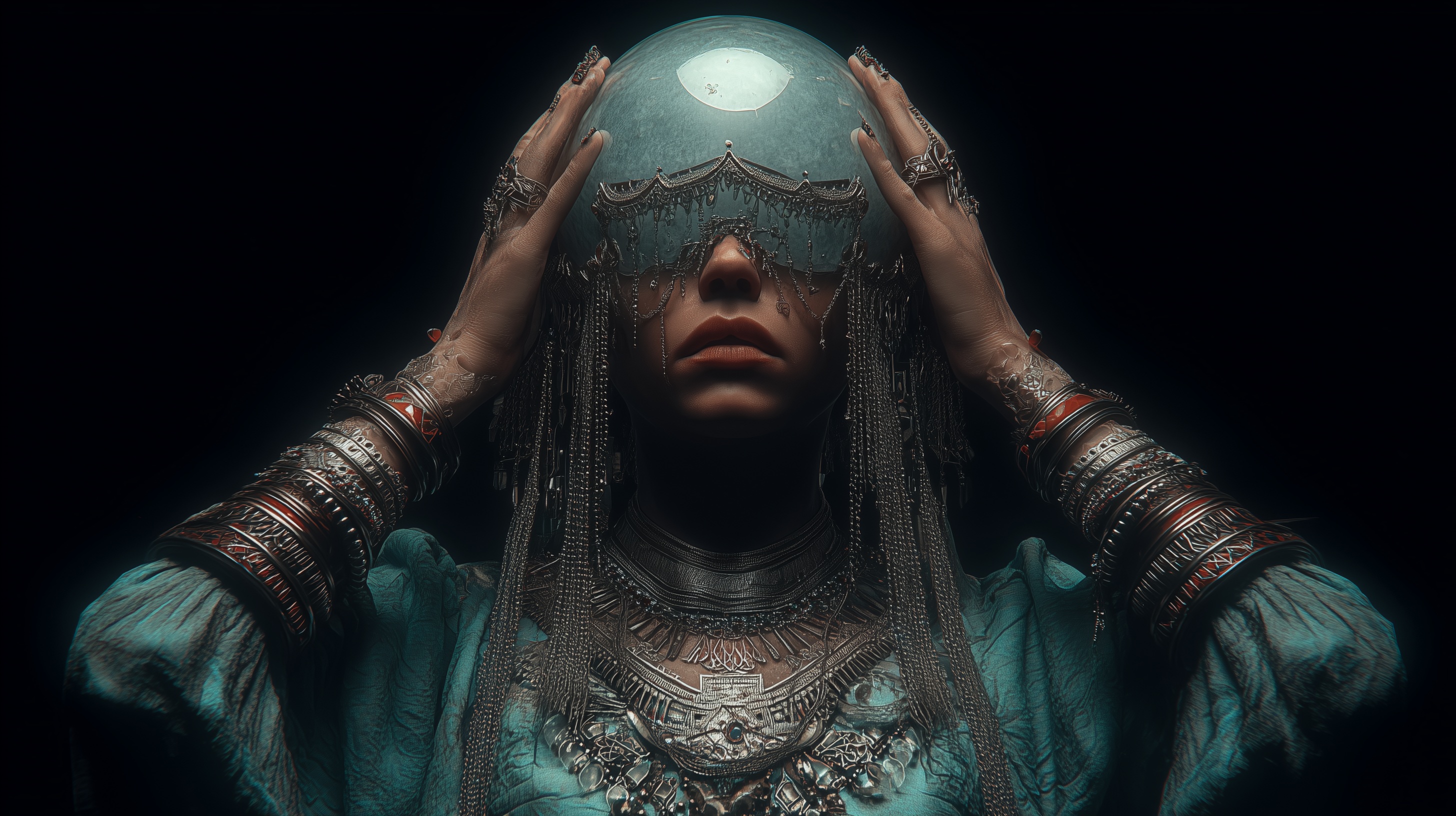
Fortune Teller
I See, A Strange Man...
“A prediction is just a rumor about the future. The trouble starts when enough people decide to believe it.”
The future is one of the most valuable things in the world.
Not because anyone can see it.
Because everyone wants to.
Kings seek warnings of threats they cannot yet identify. Merchants want reassurance before risking fortunes. Lovers crave certainty. Parents worry about children. Soldiers wonder whether they will return home. Entire religions, philosophies, and traditions have emerged from humanity's desire to know what comes next.
The Fortune Teller exists because that desire never disappears.
Contrary to popular belief, most fortune tellers spend surprisingly little time predicting the future. Their real profession involves interpreting uncertainty. Cards, stars, bones, dreams, smoke, omens, and sacred texts are merely tools. The true skill lies in understanding people. Long before a client reveals their fears, hopes, regrets, ambitions, or doubts, an experienced Fortune Teller has often recognized them already.
People tell fortunes about themselves long before the reading begins.
A nervous merchant asks whether an investment will succeed. A careful listener hears concern about failure. A young noble asks about love. The question reveals loneliness before any cards are drawn. A ruler seeks omens regarding war. The request itself often says more than the answer ever could.
This perspective gives Fortune Tellers an unusual understanding of human nature.
Most become skilled observers. They notice patterns in speech, behavior, and emotion. They recognize recurring fears that appear in every generation. Different names, different faces, different circumstances, yet remarkably similar worries. Fortune Tellers spend their lives watching people search for certainty in a world that rarely provides it.
Some eventually conclude that certainty itself is overrated.
The profession attracts an enormous variety of practitioners. Court astrologers chart the movements of planets for kings and nobles. Temple seers study sacred texts in search of divine guidance. Traveling card readers wander from town to town collecting stories and rumors. Dream interpreters maintain journals filled with symbols gathered across decades. Others create elaborate systems known only to themselves, finding meaning in observations that outsiders dismiss entirely.
The methods differ.
The questions remain the same.
What is happening?
What should I do?
What comes next?
Whether fortune telling actually reveals the future remains a subject of endless debate. Believers point toward remarkable predictions that later proved accurate. Skeptics note the countless forecasts that quietly failed. Most Fortune Tellers learn to avoid arguing the matter. Experience teaches them that predictions possess power regardless of their accuracy.
A warning can alter behavior.
An omen can change a decision.
A prophecy can inspire action.
Once people believe a future is possible, they often begin helping create it.
This reality makes the profession surprisingly influential. Fortune Tellers frequently become involved in important events before anyone realizes those events are important. A casual reading today may influence a choice that changes lives years later. A forgotten prediction may suddenly acquire significance when circumstances shift. Many practitioners accumulate stories of warnings ignored, warnings heeded, and predictions whose meaning only became clear in hindsight.
Such experiences encourage humility.
The future rarely cooperates with certainty.
The wisest Fortune Tellers understand this. They view prophecy as possibility rather than inevitability. Patterns suggest outcomes. Omens imply directions. Signs indicate opportunities and dangers. None of these things eliminate choice. Human beings remain stubbornly capable of surprising themselves and everyone around them.
Years spent contemplating such matters leave lasting marks. Many Fortune Tellers become patient because important answers often require time. Others develop fascination with symbolism and recurring patterns. Some acquire deep appreciation for mystery. The world becomes more interesting when not every question possesses a simple answer.
The profession also teaches respect for stories.
Every culture develops its own signs, superstitions, prophecies, and traditions. A bird crossing the sky, an unexpected dream, a particular constellation, a broken mirror, an unusual birth, a strange weather pattern. The specific symbols vary, but the impulse behind them remains remarkably consistent. People seek meaning. They search for connections between events. They want reassurance that chaos follows some larger design.
Perhaps it does.
Perhaps it does not.
A Fortune Teller spends enough time studying the question to become comfortable without a final answer.
After all, certainty is not really what most clients seek.
What they truly want is hope, warning, guidance, reassurance, permission, understanding, or courage.
The cards, stars, bones, and omens simply provide a way to begin the conversation.
The future arrives regardless.
The Fortune Teller merely helps people face it.
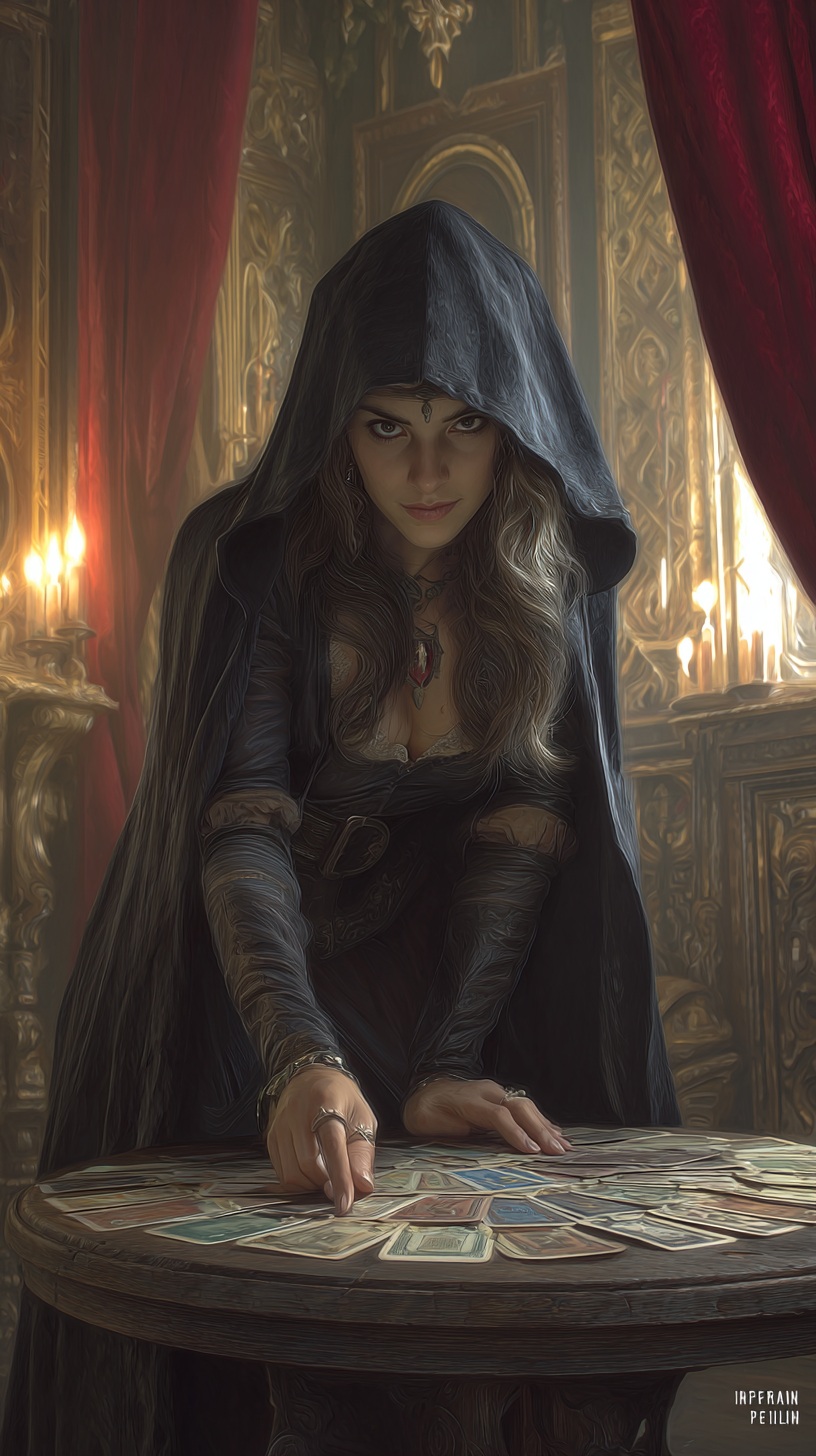
“Everyone wants to know what happens next. The dangerous people are the ones willing to make it happen.”
Type
Consulting



Comments