


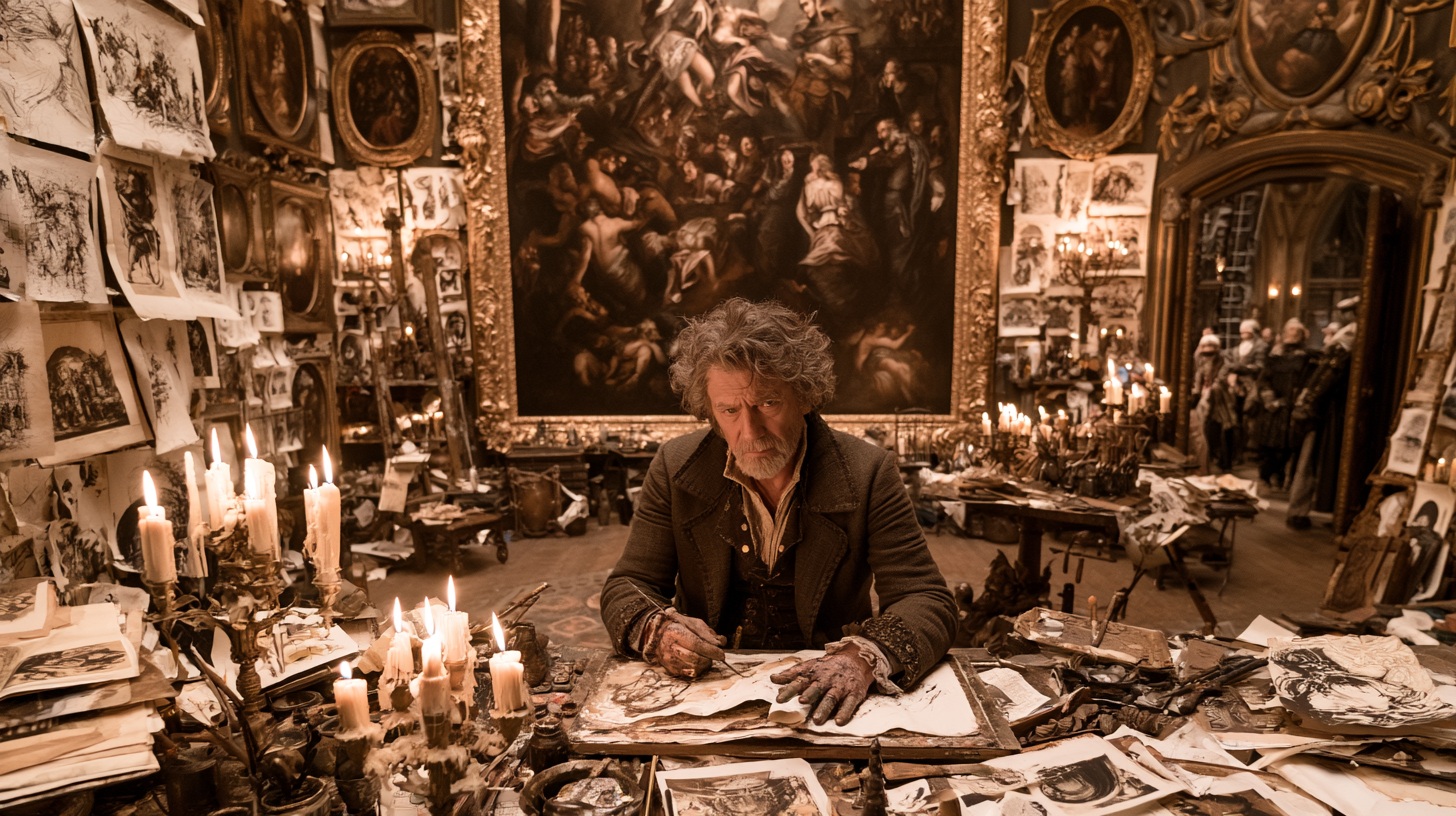
Famous Artist
Agony and Ecstasy
“Every critic in the city spent a decade explaining what the painting meant. Then the painter died and his journals revealed he was trying to paint a horse.”
Most people think art is about beauty.
Artists know better.
Beauty certainly matters. It fills galleries, inspires patrons, decorates palaces, and empties coin purses. Yet beauty alone rarely explains why a painting starts arguments, why a poem survives for centuries, why a song becomes a nation's unofficial anthem, or why a sculpture can leave strangers standing silently before it long after they intended to leave.
Art matters because it captures something people struggle to express any other way.
The Famous Artist has succeeded in doing so.
Whether painter, sculptor, architect, composer, playwright, poet, author, or practitioner of some other creative discipline, they have created work that reached beyond a small circle of friends and patrons. Their name is known. Their work is discussed. Critics argue about their intentions. Admirers praise their genius. Rivals insist their reputation is undeserved. Collectors seek their creations. Students attempt to imitate them.
Most artists dream of such recognition.
Many discover it comes with unexpected costs.
Fame transforms creative work into public property. Once a work enters the world, it no longer belongs entirely to its creator. Other people interpret it, misunderstand it, celebrate it, condemn it, and occasionally claim it means the exact opposite of what the artist intended. A playwright may discover audiences cheering for the wrong character. A painter may watch critics invent symbolism that never existed. A poet may become famous for a single line while the rest of their life's work is forgotten.
Success has a peculiar way of escaping control.
This reality often creates a complicated relationship between artists and their own reputation. Some embrace public attention enthusiastically. They cultivate patrons, attend social gatherings, and enjoy the influence recognition provides. Others find the experience exhausting. They discover they preferred creating art to discussing it. The more famous they become, the more difficult it becomes to determine whether people admire their work, their reputation, or simply the idea of being associated with someone important.
The distinction matters more than most realize.
Artistic communities are rarely peaceful places. They are filled with ambition, rivalry, admiration, jealousy, collaboration, and competition. Every generation produces arguments about what constitutes true artistry. Traditionalists clash with innovators. Critics challenge creators. Schools of thought rise and fall. Entire careers are built upon proving another artist wrong.
The Famous Artist learns to navigate this world whether they wish to or not.
Patrons complicate matters further. Art requires time, materials, and opportunity, all of which cost money. As a result, many artists depend upon wealthy sponsors, institutions, governments, religious organizations, or collectors. Such relationships create opportunities that might otherwise be impossible, but they also create expectations. Patrons rarely view themselves as passive supporters. Most possess opinions about what should be created, how it should be presented, and what messages it ought to convey.
The artist must decide how much compromise they are willing to accept.
Some become wealthy.
Some become influential.
A few become both.
Most discover that every reward carries obligations attached to it.
For all these challenges, however, artistic fame offers something remarkable. Artists leave traces of themselves behind. A soldier's victories eventually become history. A merchant's fortune changes hands. A ruler's decrees are replaced by those who follow. A great work of art, however, can survive long after its creator is forgotten. Entire civilizations are remembered through the works they left behind. Poems outlive kingdoms. Songs survive empires. Buildings endure long after the families that commissioned them have vanished.
Few professions offer such a direct conversation with the future.
Perhaps this explains why so many artists willingly endure uncertainty, criticism, poverty, and obsession in pursuit of their craft. They seek more than comfort. They seek permanence. They want to create something that remains after they are gone, something that continues speaking when they no longer can.
Not every Famous Artist succeeds in that ambition.
Most do not.
Yet the attempt itself often becomes the defining work of their lives.
Because in the end, artistic fame is not measured by applause, wealth, or critical acclaim. Those things are temporary. The true measure lies elsewhere. Somewhere in a gallery, library, theater, concert hall, workshop, or quiet study, a stranger encounters a creation and experiences a thought, feeling, or realization they would never have reached alone.
The artist may never meet them.
The artist may already be dead.
Yet a connection exists all the same.
For many creators, that possibility is worth everything.
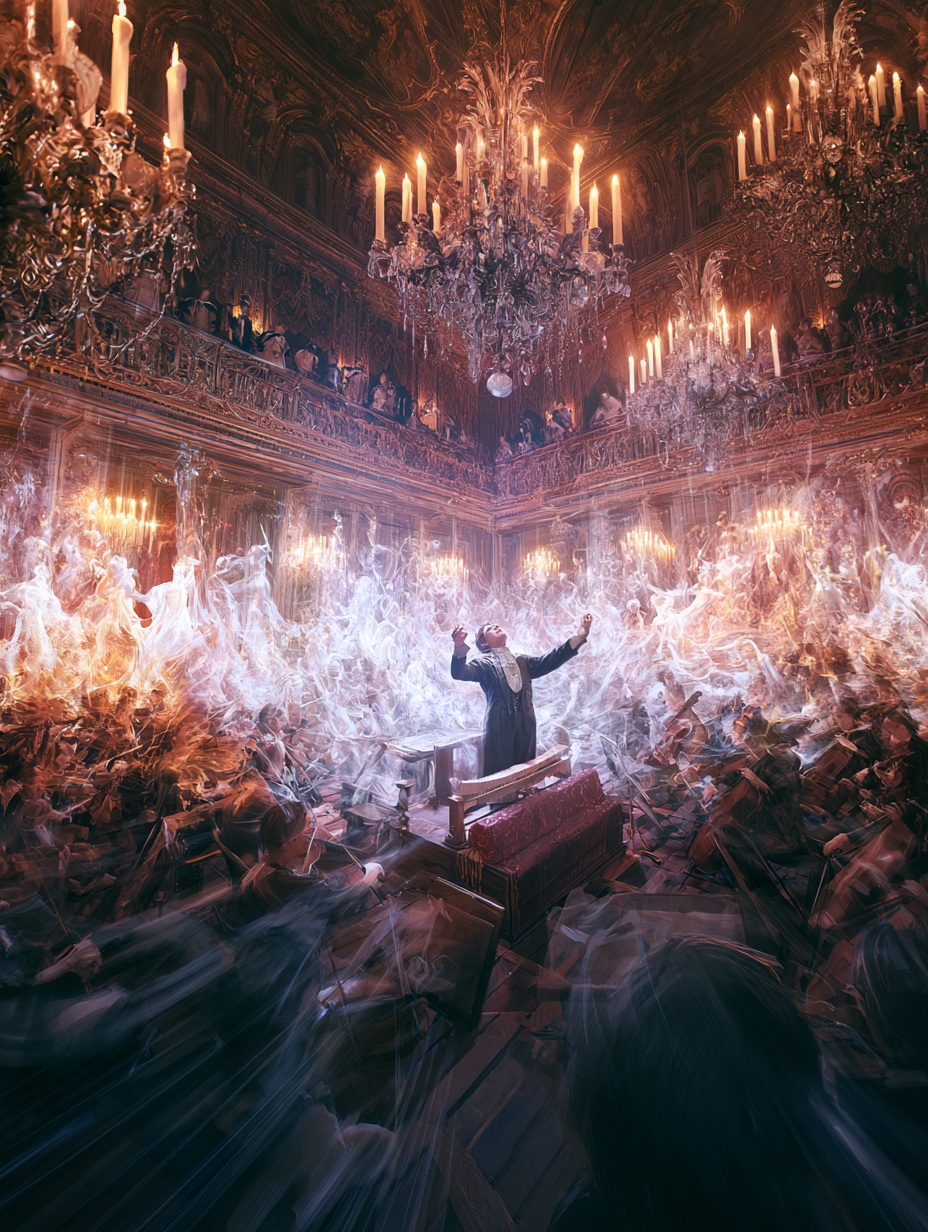
“You keep asking whether the play will be remembered. That is the wrong question. Ask whether a stranger will still feel less alone after seeing it fifty years from now.”
Type
Artisan



Comments