


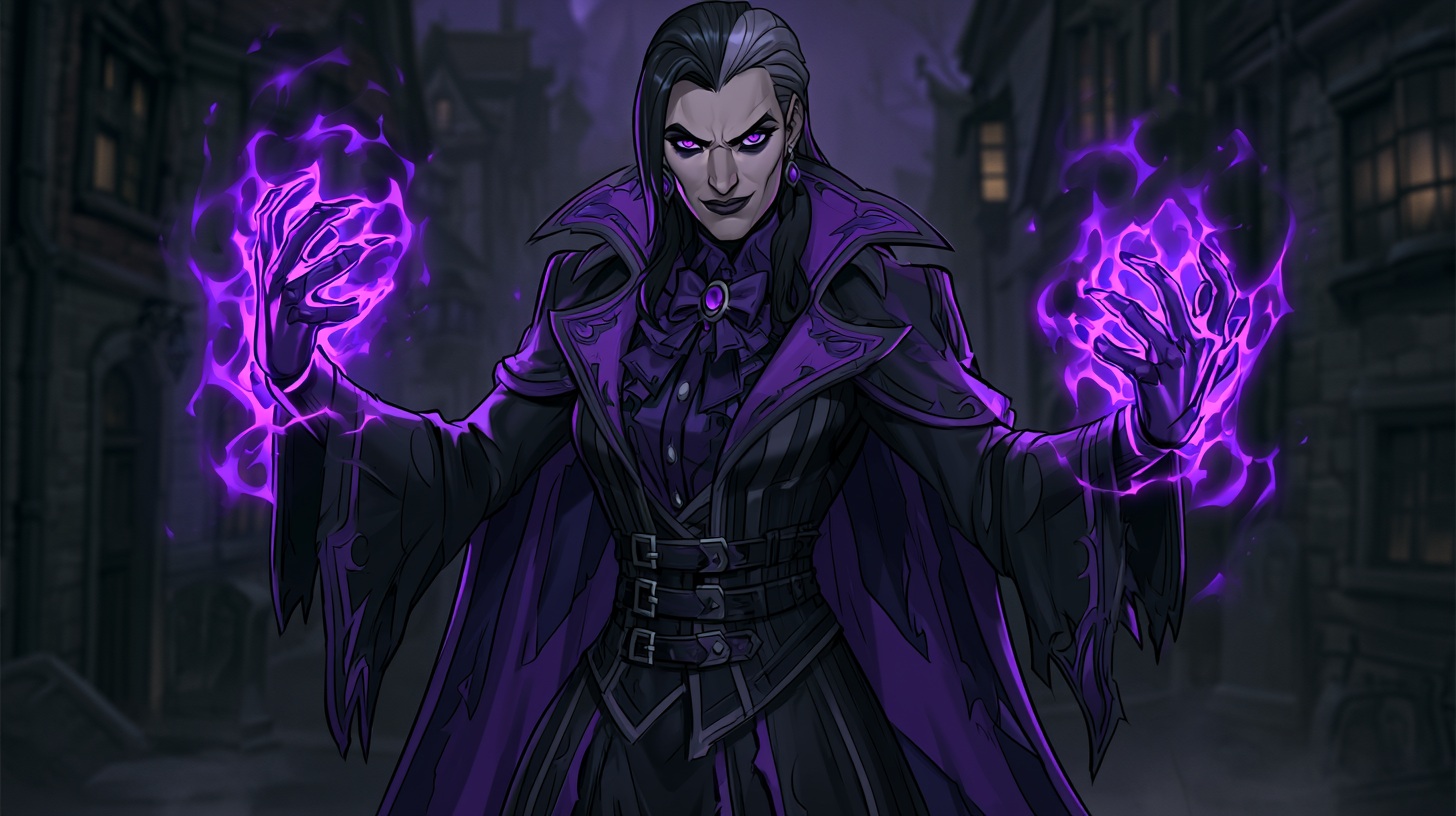
Fallen Hero
How The Mighty Have Fallen
“I carried the banner for twenty years. One mistake tore it from my hands. The strange part is discovering that honor weighs exactly the same without an audience.”
The world loves heroes, but it has very little patience for flawed ones.
Every society elevates certain individuals above the crowd. Victorious generals become symbols of courage. Priests become examples of virtue. Knights become embodiments of honor. Explorers, adventurers, judges, scholars, and rulers all find themselves transformed from ordinary people into public ideals. Communities tell stories about them. Children are encouraged to imitate them. Their successes become part of local history.
The problem is that heroes remain human long after the public stops seeing them that way.
The Fallen Hero is someone who once occupied that elevated place and then lost it. The circumstances vary enormously. Some committed genuine wrongdoing. Some made catastrophic mistakes. Some were betrayed by allies, abandoned by institutions, or sacrificed for political convenience. Others simply failed at a moment when failure carried consequences too severe for the public to forgive. Whatever the cause, the result is the same. Their reputation collapsed beneath them, leaving them to live among the ruins of a life that once seemed secure.
This experience creates a peculiar relationship with memory. Most people spend their lives trying to build a reputation. The Fallen Hero spends theirs trying to understand the one they lost. Former accomplishments become difficult to separate from later disgrace. Victories that once brought pride become reminders of how far they have fallen. Public praise becomes uncomfortable because it inevitably leads to questions about what happened afterward.
Many discover that fame survives far longer than admiration.
In some places, their name still carries respect. Old comrades remember the battles they won. Former followers remember acts of kindness and sacrifice. Stories about their achievements continue to circulate, sometimes growing more impressive with each retelling. In other places, however, the same name evokes disappointment, anger, ridicule, or suspicion. The public has a remarkable talent for reducing complicated lives into simple lessons, and the Fallen Hero often finds themselves transformed into a cautionary tale for people who never knew them personally.
The burden is made heavier by the fact that heroes are often judged by harsher standards than ordinary people. A thief is expected to steal. A tyrant is expected to abuse power. When a celebrated hero fails, however, the sense of betrayal cuts far deeper. People feel personally wounded when those they admired prove imperfect. As a result, many Fallen Heroes discover that forgiveness comes more slowly than punishment.
Some respond by withdrawing from public life entirely. They avoid old acquaintances, abandon former titles, and seek places where nobody recognizes their name. Others become obsessed with repairing the damage. They pursue impossible acts of redemption, determined to prove that one mistake should not outweigh a lifetime of service. A few grow bitter and cynical, concluding that public admiration was always conditional and therefore never worth possessing in the first place.
Most eventually arrive somewhere in between.
With time, many Fallen Heroes develop a perspective few others possess. They understand both success and failure. They know what it feels like to be praised by strangers and condemned by them. They have witnessed firsthand how fragile reputations can be and how quickly public opinion changes when circumstances shift. This often makes them more patient with the mistakes of others and more skeptical of easy judgments.
They also tend to understand something that younger heroes often do not.
A reputation is not the same thing as a character.
The two frequently overlap, but they are not identical. A person may possess a sterling reputation while hiding serious flaws, just as another may carry a tarnished name despite possessing genuine courage and integrity. The Fallen Hero has lived through the collapse of that illusion. They know that admiration can disappear overnight while responsibility remains. They know that doing the right thing is often far less rewarding than stories suggest. Most importantly, they know that life continues after failure, whether one is prepared for it or not.
For some, this knowledge becomes the foundation of redemption. For others, it becomes a source of quiet wisdom. A few never recover from the loss at all.
Regardless of where their path leads, every Fallen Hero lives with the same reality. Somewhere in the world there are people who still remember the person they used to be. Some remember them fondly. Some remember them bitterly. Some remember them incorrectly. Yet all of them, friend and enemy alike, continue measuring the present against a version of the past that no longer exists.
The Fallen Hero must decide whether to do the same.
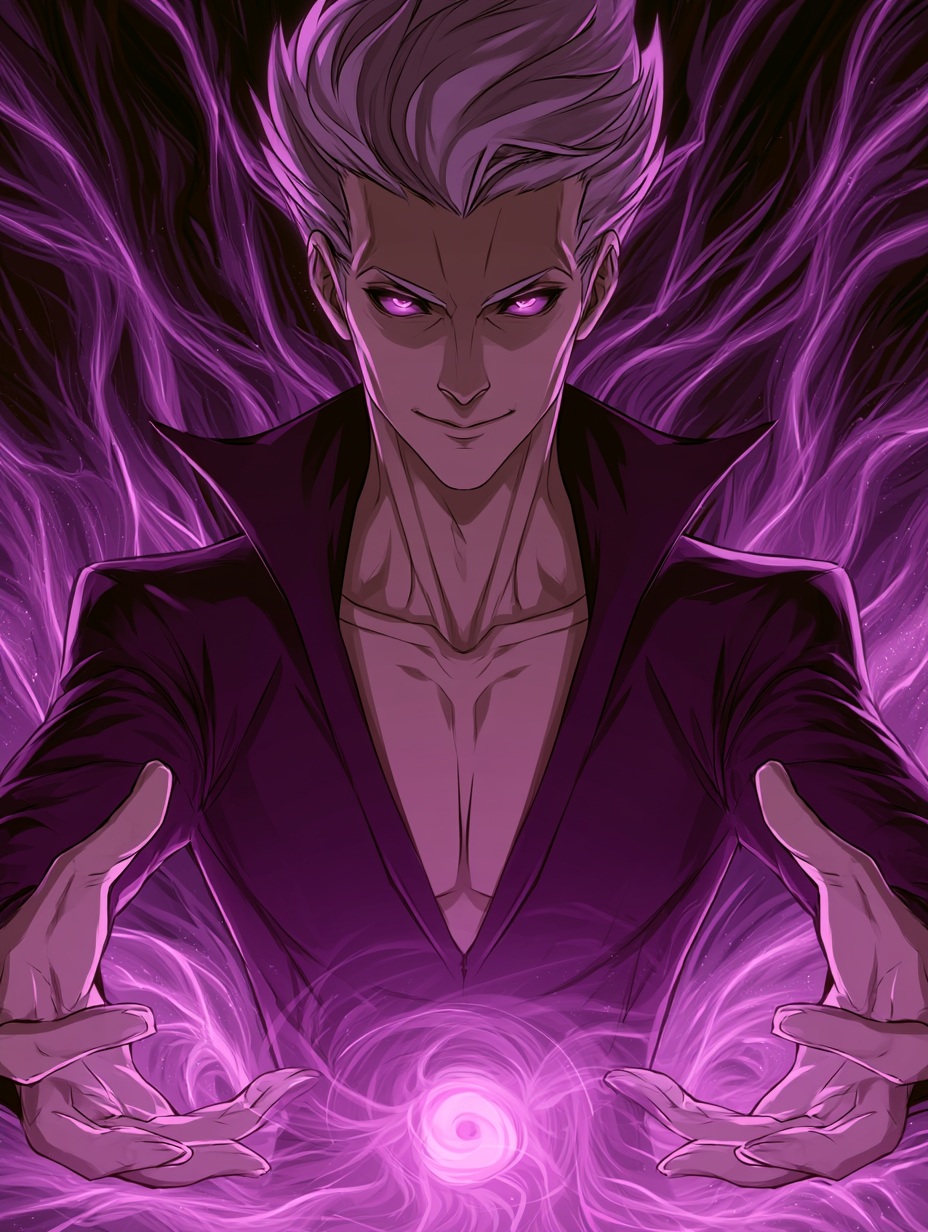
“They cheered me when I rode through the gates. They cursed me when I left through them. The city changed its mind in a season. I have spent ten years deciding whether it was ever right to begin with.”
Type
Illicit



Comments