


Escaped Sacrifice
The Offering
“They told us the altar demanded blood. Fools. Blood was only the invitation. The thing beneath the hill hungered for the hand that offered it.”
Most people assume survival ends a story.
They are wrong.
Survival merely determines who gets to carry the story afterward.
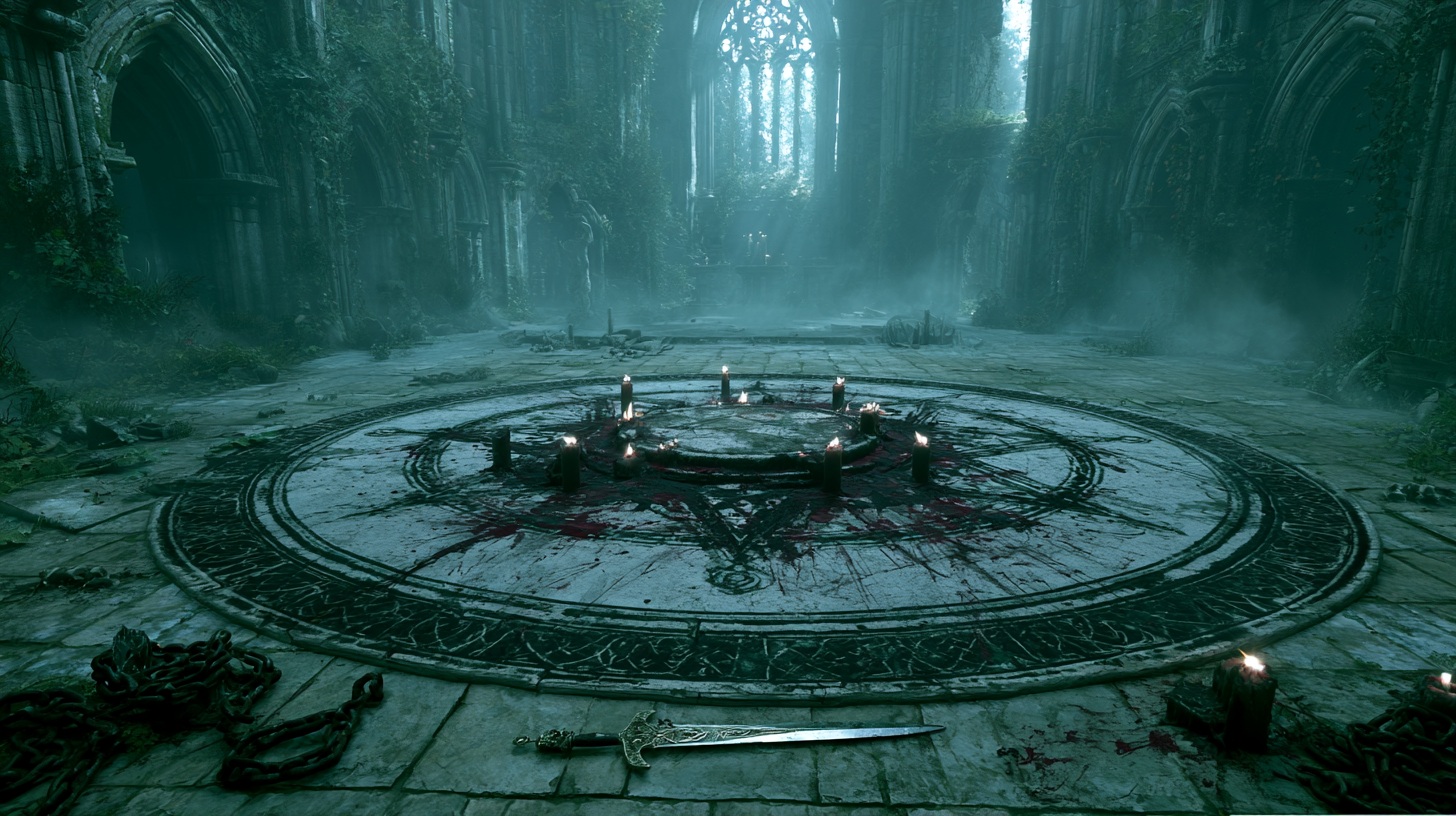
The world is filled with abandoned temples, shattered altars, ruined shrines, forgotten cults, and half completed ceremonies whose participants vanished centuries ago. Most are harmless relics. Dust. Folklore. Archaeological curiosities. Yet scattered throughout history are stranger accounts. Records of ceremonies interrupted at the final moment. Victims who escaped. Cults destroyed before a ritual could conclude.
And then things become complicated.
Because sacrifices are not meant to be interrupted.
The idea sits at the heart of nearly every tradition surrounding Escaped Sacrifices. The victim was not merely selected for death. They were selected for transfer. For delivery. For surrender. Something was promised something else, and somewhere in the process the transaction failed to complete correctly.
At least, that is what everyone hopes happened.
The uncertainty defines the life that follows.
Some Escaped Sacrifices remember the event clearly. The chanting. The knives. The smoke. The desperate flight through dark woods while torchlight hunted behind them. Others remember almost nothing. Fragmented impressions. Strange symbols. Faces hidden behind masks. A sensation of being watched from somewhere impossibly distant. Entire years may pass before they begin asking questions about what truly occurred.
The answers are rarely comforting.
The cult may still exist.
The ritual site may still be active.
The people responsible may still be searching.
Most disturbing of all, the intended recipient may still be waiting.
This possibility appears constantly in folklore surrounding the background. Stories tell of escaped sacrifices who continue experiencing strange dreams decades later. Others report hearing unfamiliar voices speaking their names from empty rooms. Some become convinced they are being observed. Others spend years dismissing such fears as trauma only to eventually discover evidence suggesting their paranoia was entirely justified.
The distinction hardly matters after a while.
Either way, sleep becomes difficult.
Many Escaped Sacrifices develop an unusual relationship with occult knowledge. They learn quickly that ignorance offers little protection. If a secret society once tried to place you on an altar, understanding why becomes difficult to resist. This often drives them toward forbidden texts, local legends, hidden shrines, and rumors of supernatural activity. They become students of rituals they wish had never existed and experts in dangers they desperately wish to avoid.
Knowledge becomes both weapon and temptation.
The more they learn, the more unsettling the picture often becomes.
Not every sacrifice was chosen randomly.
Some were selected because of ancestry. Others because of prophecy. Others because somebody else made a bargain generations earlier and left the debt unpaid. A disturbing number discover that their selection occurred long before their birth. Documents exist. Agreements exist. Names appear in records written by people dead for centuries.
Sometimes the victim was expected.
Expected specifically.
Expected personally.
That realization has broken stronger people than most monsters ever could.
Yet Escaped Sacrifices are rarely helpless figures. Survival changes people. They become watchful. Resourceful. Difficult to surprise. Most develop an instinctive awareness of danger and a fierce appreciation for freedom. They understand better than most that life is precious because theirs nearly ceased belonging to them.
Some dedicate themselves to destroying the organizations responsible.
Others spend years hunting answers.
Some simply keep running.
The latter group tends to discover an unpleasant truth eventually.
Distance is not always enough.
Certain stories describe cults pursuing escaped victims across continents. Others tell of supernatural forces gradually steering events toward an inevitable reunion. Doors open unexpectedly. Strange symbols reappear. Entire coincidences begin accumulating with uncomfortable frequency. Whether these events represent paranoia, fate, or genuine pursuit remains fiercely debated.
The Escaped Sacrifices themselves rarely care about the distinction.
Being hunted feels identical either way.
The darkest traditions surrounding the background concern those who escaped only partially. The ritual failed, certainly. But something happened before the interruption. A mark appeared. A connection formed. A door opened briefly and never fully closed again. Such individuals sometimes report impossible dreams, strange intuitions, or fleeting glimpses of things that should not exist.
Most never speak publicly about these experiences.
Those who do tend to attract attention.
Not always the sort they wanted.
Because there remains one final question every Escaped Sacrifice eventually confronts.
What if the ceremony was never truly meant to end at the altar?
What if the altar was merely the beginning?
After all, the cult's failure does not necessarily prove the recipient's failure.
And somewhere in the oldest versions of these stories lies a possibility so unsettling that most scholars refuse to discuss it openly.
Perhaps the sacrifice escaped.
But perhaps whatever was waiting received enough of the offering to recognize its name.
“Do not comfort yourself with the thought that the ritual failed. The knife missed. The circle broke. The priest died. Yes. But every night since, something has continued counting.”
Type
Religious



Comments