


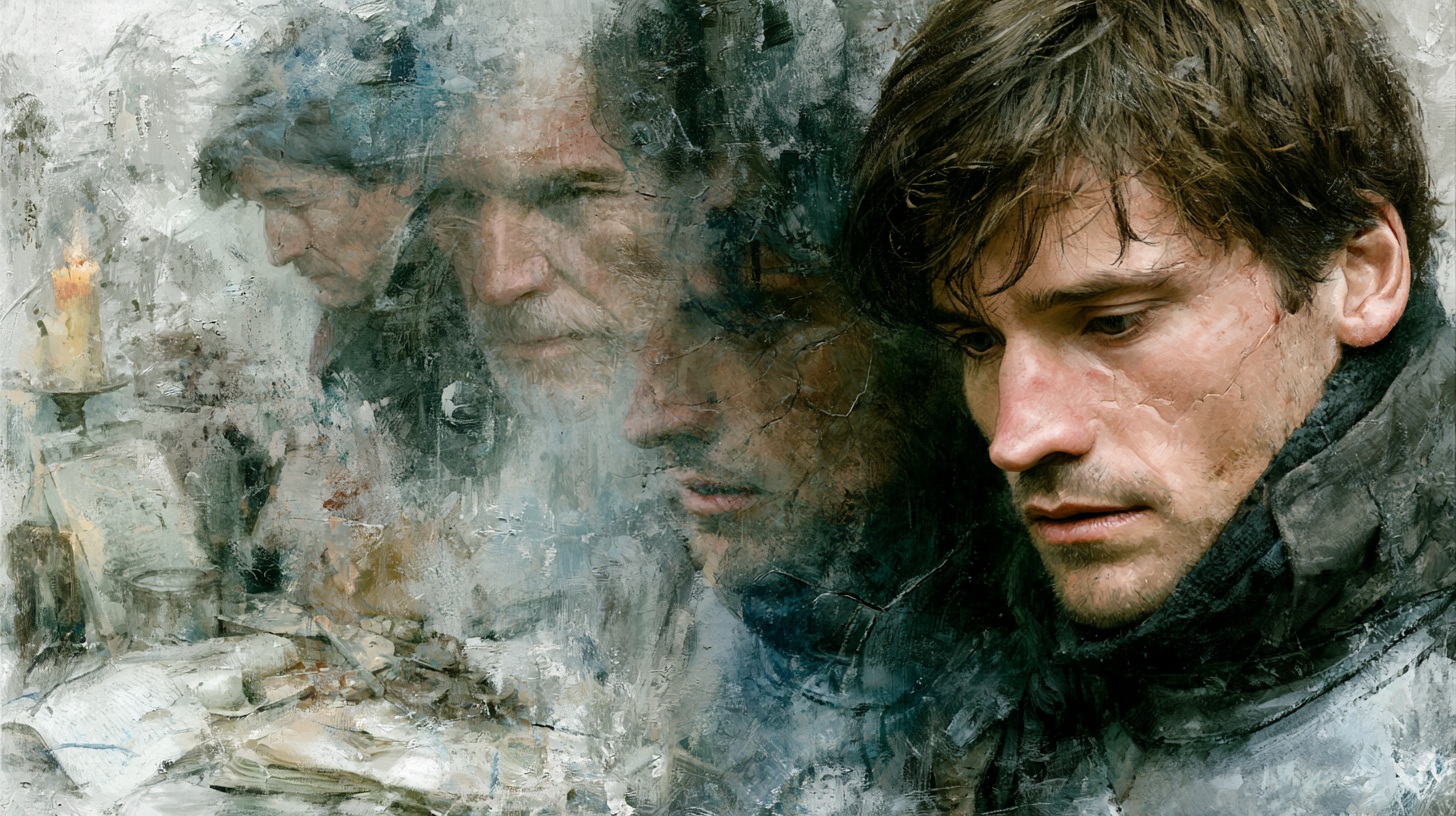
Displaced Mind
Who's Body Is This?
“You wear my brother’s face with admirable conviction, sir, yet every smile arrives a heartbeat too late. Tell me true. Did death return him poorly assembled, or are you merely borrowing what the grave forgot to keep?”
Most people spend their lives trying to understand who they are.
A displaced mind faces a far more terrifying question.
Which one?
Something happened. A ritual failed. A resurrection misfired. A god made a mistake. A soul slipped loose during death and returned incorrectly. Perhaps an ancient force deliberately moved consciousness from one vessel into another for reasons no mortal mind fully understands. Whatever the cause, the result remains the same.
You awoke inside a body that already belonged to someone else.
The experience is rarely clean or dramatic. There is no triumphant revelation. No sudden mastery over the new existence. Instead, displaced minds describe confusion, fragmented memories, instinctive reactions that make no sense, and the slow horror of realizing the body remembers things independently.
Hands reach for tools you do not consciously understand.
Old scars ache when certain names are spoken.
Muscle memory interrupts conscious thought.
You know how to tie knots, sharpen blades, dance, write in unfamiliar handwriting, or navigate streets you have never visited. Sometimes emotions emerge suddenly and violently without explanation. Rage. Grief. Fear. Attraction. Nostalgia.
Not yours.
Maybe.
That uncertainty becomes the defining reality of the displaced mind.
Most spend years trying to determine exactly what happened to them. Some obsess over recovering lost memories of their previous life before those memories fade entirely. Others become consumed by the history of the body they now inhabit. Whose body was this originally? What kind of person were they? Why do strangers react with recognition, hatred, fear, or affection upon seeing your face?
And perhaps most disturbing of all.
What happened to the original owner?
The world rarely makes this easier. Recognition follows the body whether deserved or not. Old allies greet you warmly while speaking about events you cannot remember. Enemies seek revenge for crimes you never committed. Family members expect emotional connections you cannot honestly return. Lovers stare at you with unbearable hope.
Some displaced minds pretend successfully.
Others cannot bear it.
This creates an existence balanced constantly between performance and identity crisis. Many become deeply paranoid about exposure, terrified that someone will notice inconsistencies in speech, memory, or behavior. Others overcompensate, studying the original owner’s life obsessively until imitation becomes second nature.
Sometimes that imitation lasts so long it stops feeling false.
That possibility frightens most displaced minds more than death itself.
Because identity depends heavily upon memory, habit, and emotional continuity. When those things begin blending together between two lives, the boundary separating self from imitation becomes dangerously unstable. A displaced mind may initially swear they are completely different from the body’s former owner, only to realize years later they now laugh the same way, prefer the same food, carry the same posture, or instinctively repeat the same gestures.
Some eventually surrender to this process willingly.
Others fight it desperately until the end of their lives.
Philosophers, priests, and necromancers argue endlessly about the implications. Is the soul truly separate from the body if physical memory and instinct can reshape identity so powerfully? Does continuity of consciousness matter more than flesh? If enough traits from the original owner survive, at what point does the displaced mind become something new entirely?
There are no comforting answers.
Many cultures fear displaced minds instinctively because they challenge basic assumptions about life, death, and personhood. Some religious traditions view them as unnatural violations demanding correction. Others interpret them as evidence that the soul transcends physical form entirely. A few cultures even treat displaced individuals with strange reverence, believing they exist partially outside ordinary fate.
Necromancers and occult scholars are particularly fascinated by them.
For obvious reasons.
The condition also creates unusual emotional burdens. A displaced mind may feel guilty for inhabiting another person’s life regardless of intent. They may inherit debts, responsibilities, enemies, marriages, titles, or unfinished obligations without consent. Some try to honor the original owner’s life sincerely. Others reject every connection violently in order to preserve whatever remains of their previous identity.
Neither path tends to bring peace.
Sleep becomes especially frightening for many displaced minds because dreams often blur memory further. Fragments from both lives intermingle unpredictably. Childhood homes appear beside unfamiliar battlefields. Faces merge together incorrectly. Some wake uncertain which memories genuinely belong to them anymore.
This fear causes many to become obsessive record keepers. Journals, sketches, letters, and memory exercises become lifelines against psychological erosion. The terror of forgetting who you once were can easily become all consuming.
Adventuring parties often find displaced minds unsettling without fully understanding why. The individual may possess skills they cannot explain. They react strangely to certain locations or names. Sometimes they speak with authority on subjects they consciously know nothing about. Sometimes they freeze unexpectedly when confronted with remnants of the body’s former life.
And sometimes, in rare quiet moments, they stare into mirrors too long.
Trying desperately to decide which face they are actually looking at.

“I knew the man before the river took him. You possess his voice, his scars, his hands, even the hateful little twitch near his eye when anger rises. Yet when you looked upon his wife, there was kindness where once there lived only fear. Whatever crawled back wearing him is not entirely the same creature.”



Comments