


Diplomat
On Behalf of My Country
"The purpose of diplomacy is not to make friends. It is to leave the room with fewer enemies than when you entered."
Every society contains disagreements.
Some are minor disputes between neighbors. Others involve competing governments, rival faiths, powerful guilds, military alliances, trade interests, noble houses, or entire nations. Left unattended, these conflicts can grow into feuds, economic crises, political instability, or open warfare.
The profession of diplomacy exists because most people would prefer to avoid those outcomes.
Diplomats serve as representatives, negotiators, messengers, advisors, and intermediaries between groups whose interests do not perfectly align. Their purpose is not necessarily to eliminate disagreement. Rather, it is to manage disagreement in ways that allow people to continue living, trading, governing, and cooperating without resorting to violence.
This responsibility has made diplomacy one of the oldest professions associated with organized civilization.
Long before formal treaties existed, leaders needed trusted individuals capable of carrying messages between communities. Trade required negotiations. Alliances required communication. Disputes required settlement. As societies became more complex, so too did the people responsible for maintaining those relationships.
Modern diplomats perform a remarkable variety of functions.
Some negotiate trade agreements that shape regional economies. Others arrange military alliances, mediate territorial disputes, establish legal frameworks, coordinate relief efforts, or represent foreign interests abroad. Many spend far more time gathering information and maintaining relationships than participating in dramatic negotiations.
The popular image of diplomacy often focuses on grand conferences and historic treaties.
The reality is usually less dramatic.
Most diplomatic work consists of conversations.
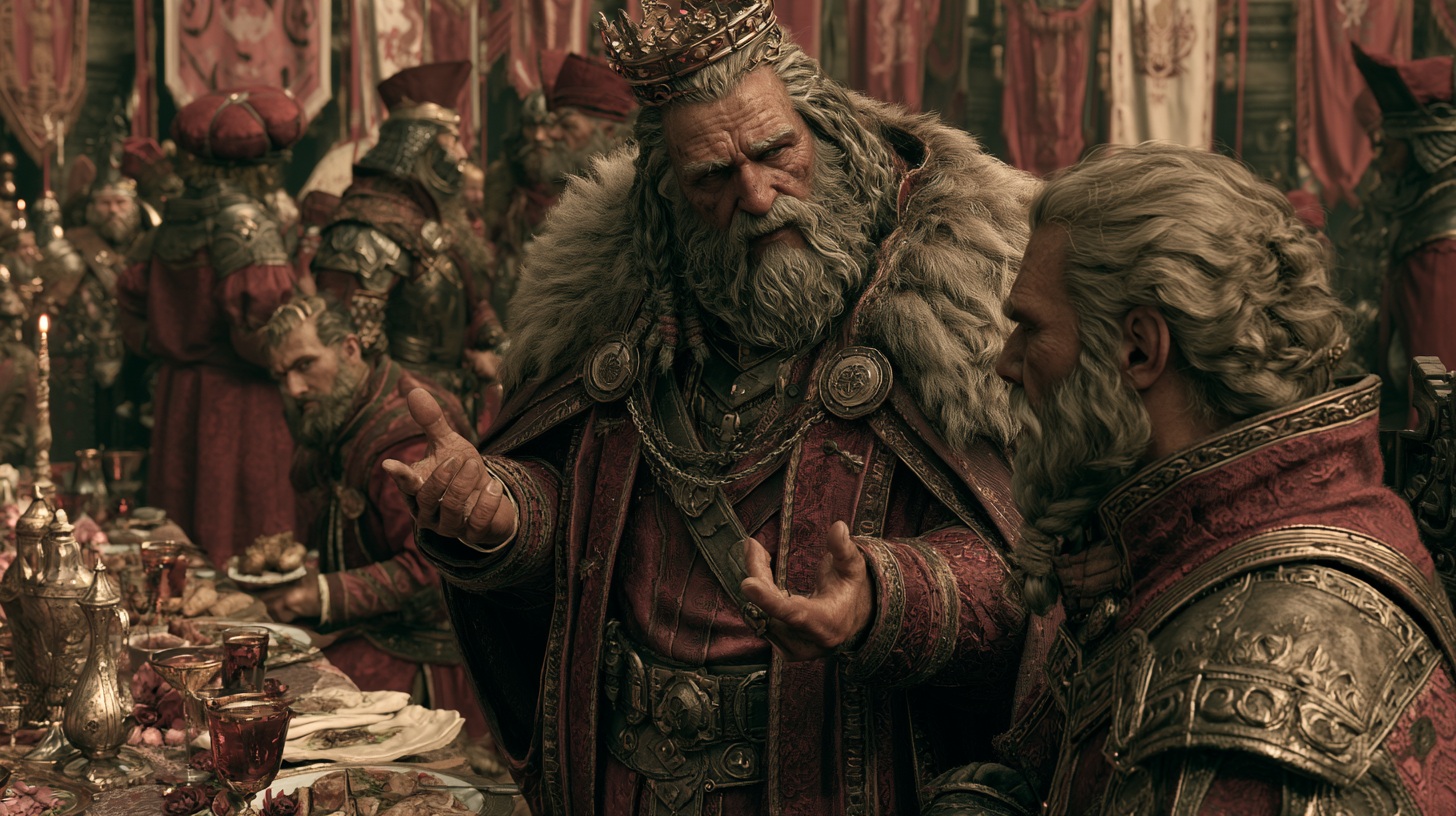
A banquet conversation. A private meeting. A formal audience. A quiet discussion between advisors. A carefully worded letter. A misunderstanding resolved before it becomes public. A compromise reached before anyone realizes there was a problem.
Successful diplomacy frequently prevents events that never become visible to outsiders.
This reality influences the profession's reputation.
Victorious generals receive monuments. Famous rulers receive statues. Merchants celebrate profitable agreements. Diplomats often receive little recognition at all. When negotiations succeed, the resulting stability tends to appear natural. People notice wars. They rarely notice the wars that never occurred.
Those within government, however, understand their value.
Diplomats possess skills that few professions cultivate to the same degree. They study customs, etiquette, history, law, politics, religion, economics, and social expectations. They learn how different cultures communicate. They learn how authority functions within unfamiliar societies. They learn how to identify interests that may not be immediately obvious.
Most importantly, they learn how to listen.
The profession depends upon understanding motivations.
Public statements rarely tell the whole story. A kingdom demanding territory may actually seek security. A guild opposing regulation may fear financial collapse. A noble house pursuing marriage alliances may be attempting to prevent internal instability. Diplomats spend their careers looking beyond positions to understand the interests beneath them.
This perspective often produces a distinctive worldview.
Diplomats become accustomed to complexity. They encounter situations where every side possesses legitimate concerns and every available solution carries consequences. They learn that disagreements are rarely as simple as outsiders imagine. As a result, many develop patience, caution, and an appreciation for compromise.
Not everyone views these qualities positively.
Critics sometimes accuse diplomats of indecision, excessive caution, or willingness to compromise principles for practical results. Diplomats themselves often respond that principles become difficult to defend once armies begin marching.
The profession also requires extraordinary cultural awareness.
An inappropriate gift, a misunderstood gesture, an accidental insult, or a breach of etiquette can damage relationships that took years to establish. Experienced diplomats study local customs carefully because they understand that respect is often communicated through details outsiders overlook.
Many spend years serving in foreign courts and distant cities.
This constant exposure to different cultures gives diplomats broader perspectives than most professions. They become familiar with unfamiliar traditions, alternative systems of government, and customs that would seem strange at home. Such experiences often make them more adaptable, though occasionally more cynical as well.
Diplomacy also creates unusual social networks.
Few professions place individuals in regular contact with nobles, merchants, generals, priests, criminals, scholars, and laborers alike. Effective negotiation requires information, and information can emerge from almost anywhere. Successful diplomats therefore learn to cultivate relationships across social boundaries.
Influence often depends less upon authority than access.
The profession's long history has produced countless famous figures. Some negotiated peace between bitter enemies. Others prevented economic disasters, established enduring alliances, or resolved crises that threatened entire nations. Many accomplished these feats not through charisma or force of personality but through preparation, patience, and persistence.
That distinction is important.
Diplomacy is often mistaken for persuasion alone.
In reality, persuasion represents only one part of the profession. Research, observation, relationship building, cultural understanding, discretion, timing, and emotional intelligence are equally important. The most eloquent diplomat in the world will fail if they do not understand the people sitting across the table.
At its heart, diplomacy rests upon a simple belief.
People who are speaking are not fighting.
The conversation may be difficult.
The compromises may be imperfect.
The disagreements may remain unresolved.
But as long as dialogue continues, possibilities remain.
The diplomat's task is ensuring that those possibilities survive long enough to matter.
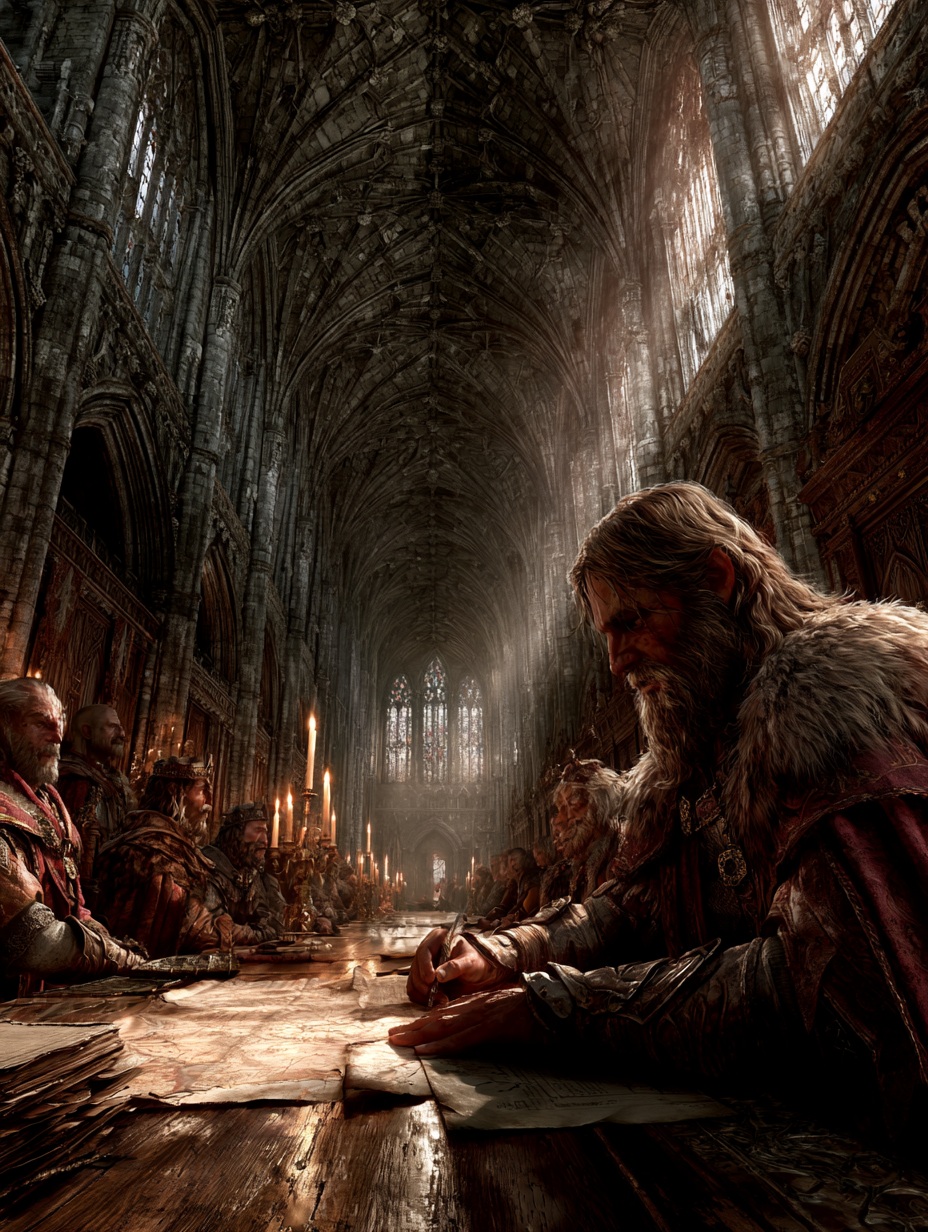
"Wars begin when people stop listening and start assuming. Diplomats make their living in the space between those two mistakes."
Type
Political



Nice. I love the line that diplomacy is working as long as people are still talking. This is so true. Love that you're presenting this as being complex.and nuasinced.
Thank you! This got a lot of play from one of our players in the first half of our current project's playtest campaign.