



Dealer
There's A Buyer For Everything
“People think collectors purchase objects. They do not. They purchase permission to believe they are the sort of person who deserves to possess them.”
Dealers learn early that rarity changes people.
Not gradually. Not metaphorically. Completely.
A jeweled relic sitting quietly on a velvet cushion can turn respected scholars into liars, nobles into thieves, and reasonable men into sleepless wrecks calculating how many lives they are willing to ruin for the privilege of ownership. The object itself often matters less than the hunger surrounding it. Dealers understand this because they spend their lives standing in the narrow space between desire and acquisition, watching otherwise civilized people reveal exactly who they are once enough money or obsession enters the room.
Most began small. Smuggled antiquities. Private auctions. Quiet introductions between wealthy collectors who preferred discretion over legality. Over time the work expanded. Ancient maps recovered from collapsed ruins. Religious relics stolen during wars nobody officially acknowledged. Arcane curiosities that hummed faintly beneath locked cases and made servants refuse to enter certain rooms after dark.
Eventually every Dealer handles something that feels wrong to touch.
The successful ones learn not to ask too many questions until after the payment clears.
A Dealer’s true talent is not appraisal. Anyone can memorize prices. The profession revolves around reading people. Knowing when a collector is desperate enough to overpay. Knowing when a seller is hiding fear behind confidence. Knowing when an object has changed hands too many times too quickly because somebody is trying very hard not to keep it overnight.
That instinct keeps them alive.
Mostly.
The trade moves through expensive parlors, private galleries, back room auctions, and smoke filled taverns where half the attendees are armed and the other half are lying about their names. Dealers become comfortable navigating all of it. They speak fluently with aristocrats, criminals, smugglers, historians, and lunatics because eventually those groups stop being distinct categories and start becoming overlapping circles at the same dinner party.
They dress well, but never perfectly. Travel worn elegance. Enough refinement to enter noble estates. Enough practicality to leave quickly through a kitchen window if negotiations collapse. Most carry notebooks or ledgers written in layered codes, records of debts, transactions, favors, and dangerous names disguised as ordinary inventory accounts.
Because memory matters in this profession.
Who bought the cursed icon from Isari. Which collector suddenly stopped answering correspondence after acquiring that sealed silver box. Which auction house quietly burned down three weeks after a disputed antiquities sale. Dealers remember these things because patterns matter, and because the rarest objects tend to leave trails made of corpses, bankruptcies, betrayals, and very frightened servants.
The profession operates on a simple understanding most institutions publicly deny while privately relying upon.
Ownership and legality are not the same thing.
Kings steal. Temples smuggle. Museums conceal provenance behind polished glass and polite language. Dealers simply remove the hypocrisy from the process. They know history belongs to whoever currently possesses enough influence, money, or violence to keep it.
That honesty makes them dangerous company.
It also makes them useful.
Adventurers rely on Dealers constantly, though they rarely admit it comfortably. Somebody has to identify the idol pulled from a flooded tomb. Somebody has to explain why three separate organizations are suddenly willing to kill for an ugly little ring wrapped in oilcloth. Somebody has to recognize when treasure is valuable not because of what it is, but because of who used to own it.
The best Dealers can identify a forgery almost instinctively. Tiny inconsistencies. Artificial aging. Tool marks hidden beneath ornamentation. They develop an eye for falsehood that extends well beyond objects. Most can spot counterfeit confidence faster than counterfeit artwork.
And they become deeply suspicious people because of it.
Years spent around collectors changes one’s understanding of greed. Ordinary greed is simple. Temporary. Predictable. Collector greed is something stranger. More intimate. Dealers have watched wealthy patrons ruin marriages, destroy reputations, and fund expeditions into lethal territory over artifacts they barely understand. The object becomes symbolic. Proof of status. Control over history itself.
Or worse.
Sometimes an item acquires a reputation too consistent to dismiss. Owners dying under similar circumstances. Strange compulsions developing around possession. Entire families refusing to discuss where a particular heirloom originated. Dealers pretend skepticism because skepticism is safer than belief, but most veterans quietly maintain private lists of objects they will no longer handle regardless of price.
Those lists tend to grow longer with age.
Because eventually every Dealer discovers the same unsettling truth.
There are objects in the world that people do not merely desire.
They orbit them.
Lives rearrange themselves around their possession. Entire careers collapse into pursuit. Rationality erodes one compromise at a time until the object stops being property and becomes something closer to gravity.
And the truly frightening part is this.
The rarest artifacts never seem to stay lost for very long.
No matter how many people die trying to bury them.
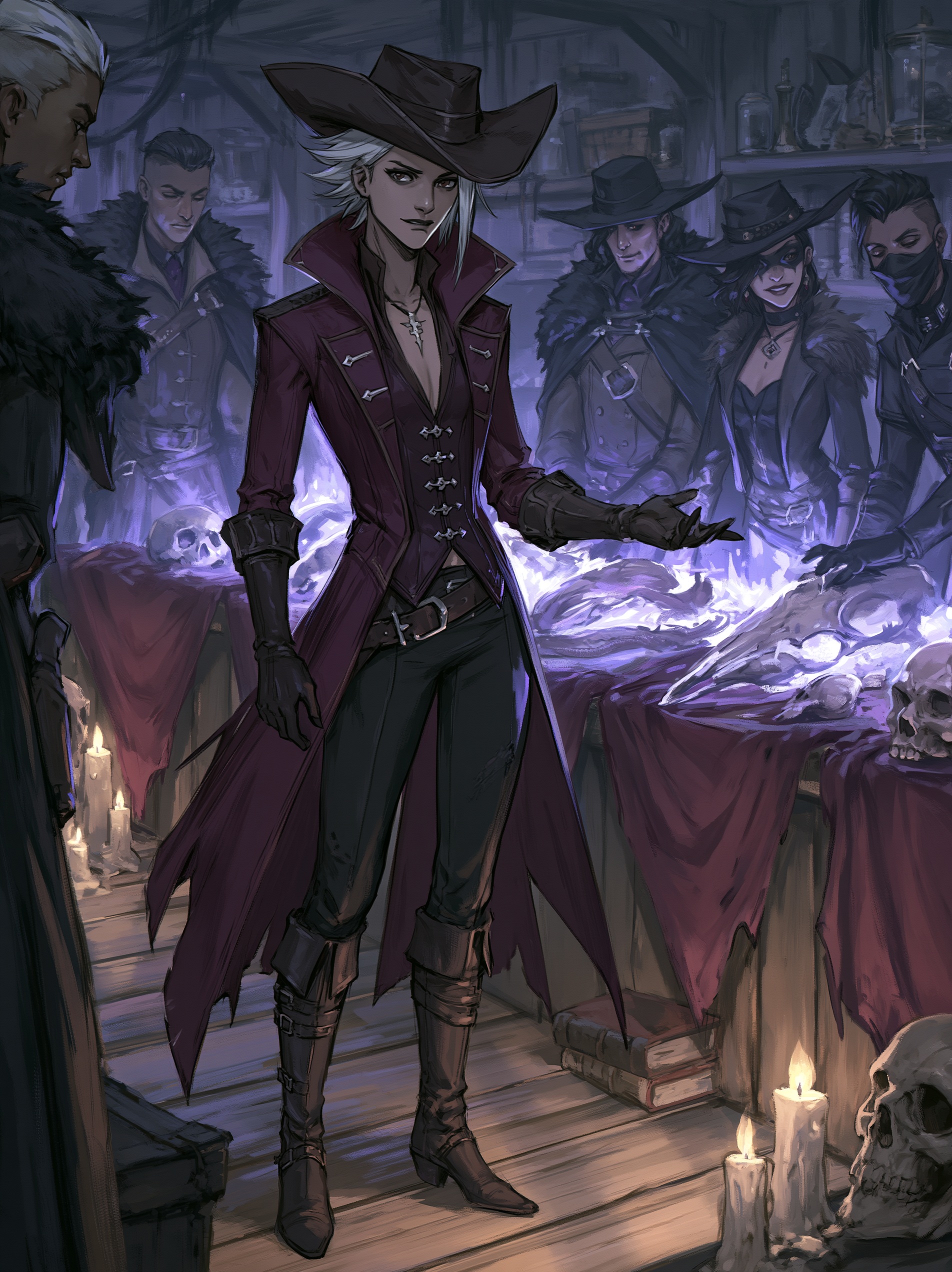
“I have watched men bid against one another for paintings, crowns, relics, and bones. In the end, the object rarely matters. The real sale is always the same. Pride purchased at catastrophic expense.”
Type
Illicit



Comments