



Con Artist
Trust Me
“He wore false names so long that when someone finally spoke his real one aloud, he did not turn around.”
Most thieves steal coin.
Con artists steal belief.
A con artist survives through manipulation, performance, and instinctive understanding of human weakness. Where cutthroats rely on fear and mercenaries rely on force, the con artist survives by becoming exactly what others wish to trust. Noble heir. Veteran officer. Miracle healer. Investor. Matchmaker. Pilgrim. Scholar. Widow. Prophet. Every identity is a costume worn long enough to become dangerous.
For the skilled swindler, deception is not merely dishonesty.
It is theater sharpened into survival.
Many con artists begin in desperation. Orphaned children pretending confidence to avoid hunger. Servants forging letters for extra coin. Street gamblers learning how greed blinds judgment. Others emerge from far wealthier backgrounds, discovering early that society already functions through performance and simply choosing to master the game more honestly than everyone else.
Regardless of origin, successful con artists learn the same fundamental truth quickly.
People rarely believe what is true.
They believe what they need to be true.
This understanding turns ordinary charisma into a weapon capable of opening doors violence never could. A forged document may grant access to noble estates. A convincing accent may transform a criminal into honored guest. A practiced smile may earn trust faster than years of honest reputation.
Most con artists maintain several false identities simultaneously. Some become so skilled at inhabiting fabricated personas that the boundaries between performance and genuine selfhood begin eroding over time. There are swindlers who have attended funerals under false names and wept sincerely despite never revealing who they truly were.
A dangerous profession tends to produce dangerous psychology.
Criminal circles often value con artists enormously because social deception creates opportunities brute force cannot. Smuggling networks need forged manifests. Nobles require deniable intermediaries. Gambling houses depend upon distraction and manipulation. Entire political conspiracies have succeeded because one convincing liar attended the right dinner party pretending to belong there.
Of course, trust within these circles remains extremely limited.
Con artists betray one another constantly.
Some operate alone as wandering frauds drifting between cities beneath rotating identities. Others work within elaborate crews specializing in forgery, impersonation, distraction, and social infiltration. Larger criminal organizations frequently maintain dedicated confidence specialists tasked with manipulating officials, merchants, clergy, or aristocrats before more direct operations begin.
The profession attracts performers naturally.
Many con artists genuinely enjoy becoming someone else for a while. Different clothes. Different speech patterns. Different fears and ambitions. A convincing persona requires emotional understanding as much as technical deception, and the best swindlers often know human behavior better than scholars or priests ever will.
That insight carries consequences.
Long term deception changes people. Habitual liars often struggle to remain emotionally sincere even when they wish to. Some begin lying reflexively simply because honesty feels vulnerable. Others lose confidence in their own memories after maintaining contradictory histories for too many years.
A few eventually become trapped by their own inventions.
Stories persist of criminals who vanished entirely into false identities until nobody, including themselves, remembered which name originally belonged to them. Whether these tales are cautionary myth or documented truth depends greatly on who tells them.
Con artists are often romanticized unfairly in popular culture. Plays and tavern stories portray them as charming rogues humiliating the wealthy through wit alone. Reality tends to be uglier. Fraud destroys livelihoods. False hope ruins desperate people. Manipulation leaves scars no blade can produce physically.
Still, public fascination never fades.
Perhaps because nearly everyone wonders privately whether they themselves could be fooled by the right lie delivered convincingly enough.
Or worse.
Whether they already have been.
Most experienced swindlers eventually develop an almost supernatural instinct for deception in others. Forged status, manipulative sales tactics, false credentials, emotional scams, counterfeit authority. Once someone spends years manufacturing lies professionally, recognizing them elsewhere becomes second nature.
That awareness often breeds profound cynicism.
Con artists rarely trust sincerity because they understand how easily sincerity can be performed.
And because deep down, many fear there may no longer be much sincerity left within themselves either.
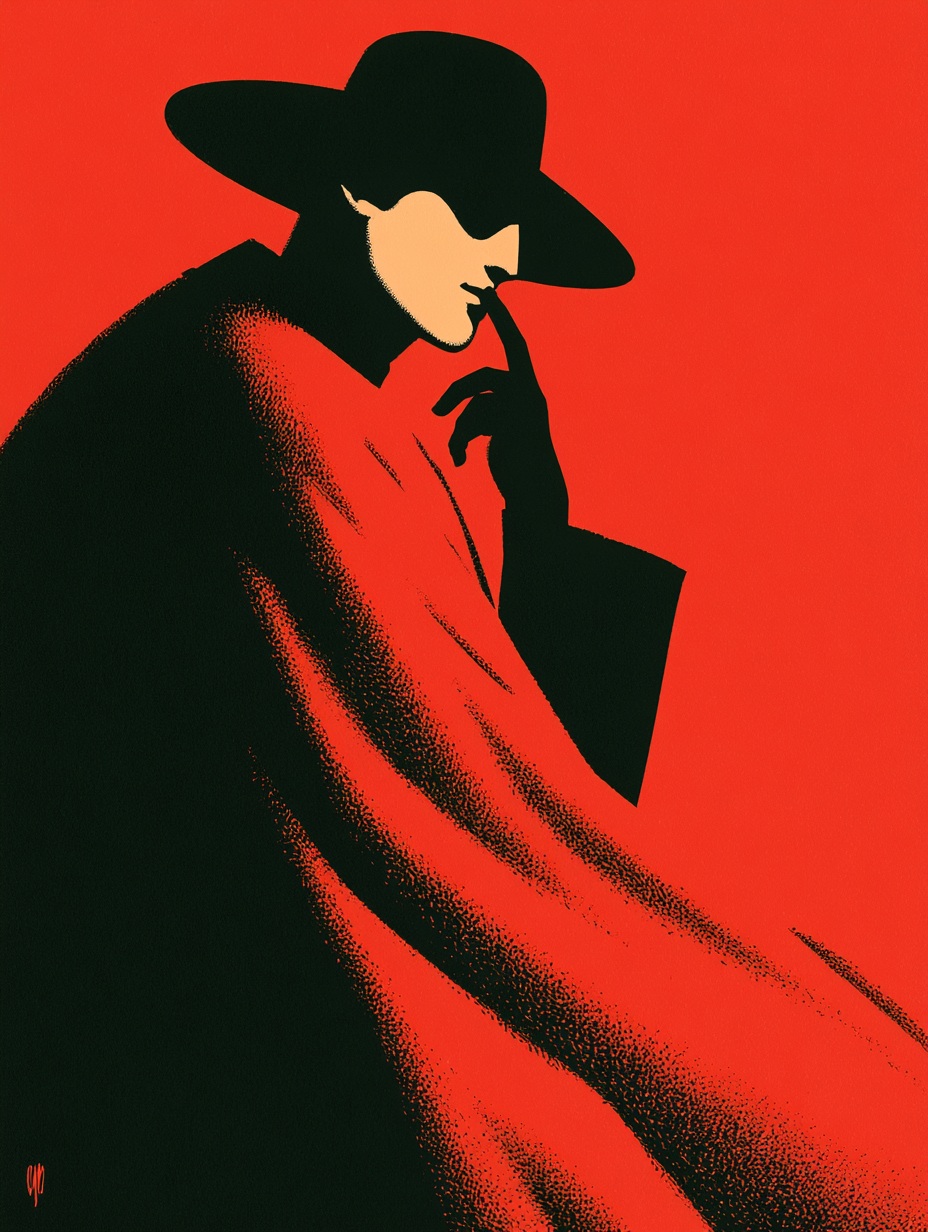
“The trick isn't convincing people you're lying well. The trick is convincing them the lie was their own idea.”
Type
Illicit



Comments