


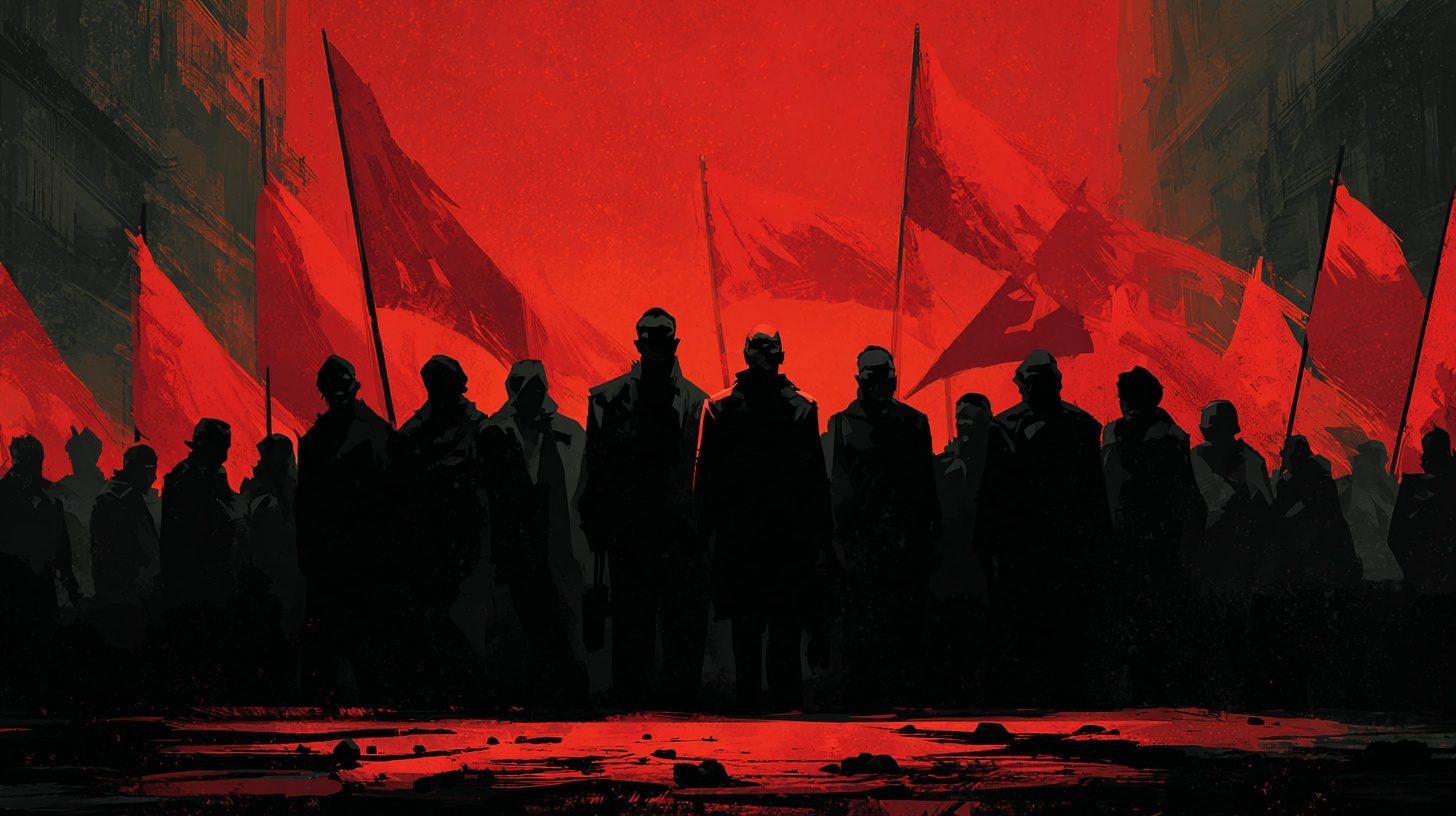
College of the Fifth Column
A Kingdom Rarely Falls From The Outside
“No empire collapses all at once. First come the whispers. Then the frightened meetings behind locked doors. Then suddenly every man in government begins wondering which of his friends intends to survive him.”
Wars are expensive.
Armies require feeding. Fortifications require breaching. Sieges take time. Generals become impatient. Governments bleed money while cities burn and the dead pile high enough to change maps permanently.
The College of the Fifth Column prefers cheaper methods.
A frightened population costs almost nothing.
These bards are not musicians in the comforting sense. They are architects of suspicion. Political operators. Whisper merchants. Propagandists. Infiltrators. They understand that civilization survives on shared belief more than stone walls or armed soldiers. Once people stop trusting each other, entire nations begin collapsing under their own weight without needing invasion at all.
That is where the Fifth Column thrives.
Most people never realize they met one.
The bard at the noble banquet asking innocent questions about shortages along the northern border. The journalist quietly encouraging outrage after a public scandal. The charming revolutionary in the tavern convincing exhausted workers somebody powerful must be responsible for their misery. The smiling court musician who somehow always knows which marriages are failing and which ministers are secretly terrified.
Nothing they do appears dramatic individually.
That is intentional.
The College specializes in pressure rather than spectacle. A rumor here. A forged letter there. A whispered accusation passed carefully into the right ears at exactly the right moment. They do not create instability from nothing. They identify fear already waiting beneath the surface and teach it how to spread.
Good Fifth Column bards understand a terrifying truth about societies.
People want enemies.
Not because they are evil necessarily. Because uncertainty exhausts them. Hardship becomes easier to endure once blame has a face attached to it. The bard simply guides that hunger carefully until communities begin poisoning themselves willingly.
The frightening part is how often it works.
Most practitioners emerge from political courts, intelligence services, revolutionary movements, criminal syndicates, underground presses, diplomatic circles, or ideological organizations where information matters more than open violence. Some genuinely believe they serve noble causes. Others work for money. A few become so consumed by manipulation they stop caring who wins so long as chaos continues producing opportunities.
The profession changes people eventually.
Living inside lies too long forces a person to stop trusting sincerity altogether. Fifth Column bards become professionally paranoid because paranoia keeps them alive. Every conversation contains motives. Every alliance hides leverage. Every ideology masks ambition eventually if you stare at it long enough.
Many of them become deeply lonely people.
They have to.
Trust is dangerous for someone who makes a career dismantling it professionally.
The College has earned bans, executions, and purges across countless kingdoms throughout history. Several governments officially classify practitioners alongside assassins and necromancers. Entire intelligence divisions exist specifically to identify them before political damage spreads too far.
Usually too late.
Because the hardest part about fighting a Fifth Column operation is recognizing one while it still looks like ordinary social tension. By the time riots start, institutions fracture, or officials turn on each other publicly, the groundwork has already been laid months earlier by someone sitting quietly in the background encouraging every existing fear carefully into bloom.
The bard rarely stays to watch the ending.
Professionals leave before the fire spreads visibly.
The most dangerous members of the College understand narrative better than law, religion, or military strategy. Facts matter less than repetition. Truth matters less than emotional usefulness. If enough frightened people believe something publicly, reality eventually bends around the belief whether it began true or not.
History contains entire wars started this way.
Most governments publicly deny that.
Naturally.
Among spies, propagandists, revolutionaries, and frightened statesmen alike, one warning regarding the College remains universal.
A city can survive corruption.
A city can survive violence.
A city where nobody trusts each other anymore usually survives nothing at all.
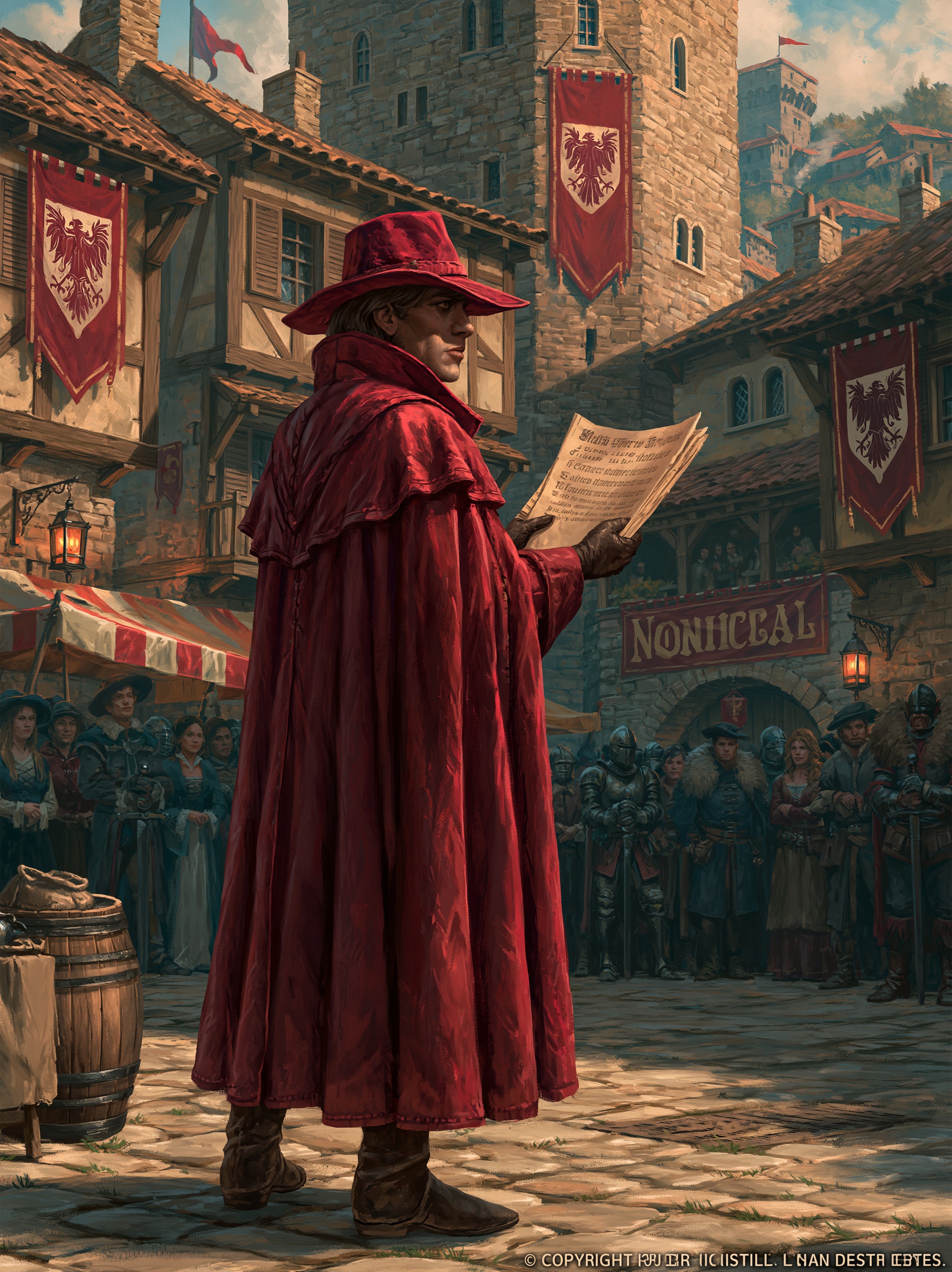
“The minister spent twenty years defending the kingdom from foreign enemies only to discover the applause behind him had belonged to traitors the entire time.”
Type
Political



Comments