


Cold Read
A Quick Look
“They come in thinking they’re complicated. Layers, secrets, angles. Give it a minute. Most of them flatten out.”
A cold read isn’t about brilliance. It’s about attention, the kind most people never bother to give.
You watch long enough, you start to notice that people repeat themselves. Not in words, they’re usually careful about those, but in everything else. The way they hold their shoulders when they’re confident versus when they’re buying time. The way their eyes drift when they’re searching for something that isn’t there, or when they’re avoiding something that is. You don’t need a confession. You just need a pattern, and most people give you one before they even realize they’re being watched.
That’s the first step.
You don’t rush it. You don’t stare them down like you’re trying to prove something. You let it happen while you’re talking, while they’re talking, while neither of you is supposed to be paying attention. A glance, a shift, a hesitation that doesn’t line up with what they just said. It all adds up, piece by piece, until you’ve got enough to work with.
Not everything.
Just enough.
You pick your angles carefully. You don’t try to read a person completely. That’s a good way to get lost in details that don’t matter. Instead, you look for the parts that are going to matter in the next few minutes. How steady they are under pressure. How quick they are to adapt when something doesn’t go their way. Whether they lean on charm, bluff, or brute confidence when they think they’ve got the upper hand.
Once you have that, you start placing weight.
Not all at once. That’s a mistake amateurs make. They see something, they get excited, and they push too hard. A cold read works because it’s subtle. You nudge the conversation just slightly off center. You ask a question that seems harmless but lands in a place they’re not ready for. You let them answer, and then you watch how they answer, because that’s where the real information is.
It’s never in the first response.
It’s in what comes after, when they realize they might have said too much or not enough. That’s when the cracks show. A shift in tone, a correction that doesn’t quite line up, a moment where they try to reframe something that didn’t need reframing unless it mattered more than they let on.
You don’t call it out.
You file it away.
From there, it’s just positioning. You don’t challenge them where they’re strong unless you have to. You guide things toward where they’re weaker, where they hesitate, where they start thinking instead of reacting. People are always slower when they have to think. That’s where you get ahead.
You don’t need to win outright.
You just need to stay one step in front.
Timing matters more than anything else. The insight you get from a cold read doesn’t last forever. People adjust. They catch on, even if they don’t know exactly what they’re catching on to. They start watching themselves, tightening up, covering the things you were reading a moment ago. That window closes fast if you don’t use it.
So you act while it’s open.
A question, a push, a shift in tone, something that forces them to respond before they’ve had time to rebuild their guard. That’s where the advantage pays off. Not in knowing everything, but in knowing just enough, just early enough, to tilt the exchange in your favor.
Of course, it doesn’t always land clean.
Sometimes you read it wrong. Sometimes what you thought was hesitation is just patience. Sometimes the person across from you knows the same tricks and is letting you think you’re ahead. That happens. You don’t panic. You adjust. You keep moving, because standing still is the one thing that gives the game away.
That’s the difference.
A cold read isn’t about being right every time. It’s about never being completely blind. Even a bad read gives you something to react to, something to test, something to push against until it either holds or breaks.
And when it breaks, you learn something real.
Most people don’t like being seen that clearly, even if they don’t know how you’re doing it. They feel it, though. A little pressure, a sense that the conversation isn’t going the way they expected, that they’re being guided somewhere instead of leading things themselves. That discomfort is useful, as long as you don’t make it obvious.
Because the moment they realize what you’re doing, everything changes.
They stiffen. They simplify. They stop giving you anything for free. At that point, you’re not reading them anymore, you’re working against someone who’s actively trying not to be read. That’s a different problem, and it’s slower, harder, and a lot less reliable.
So you keep it quiet.
You let them think they’re in control. You let them believe the conversation is unfolding naturally. Meanwhile, you’re making small adjustments, one at a time, shaping the exchange without ever drawing attention to the fact that you’re doing it.
That’s all a cold read really is.
Not magic, not insight handed down from somewhere else, just the result of paying attention long enough to notice what everyone else ignores, and being willing to act on it before the moment passes.
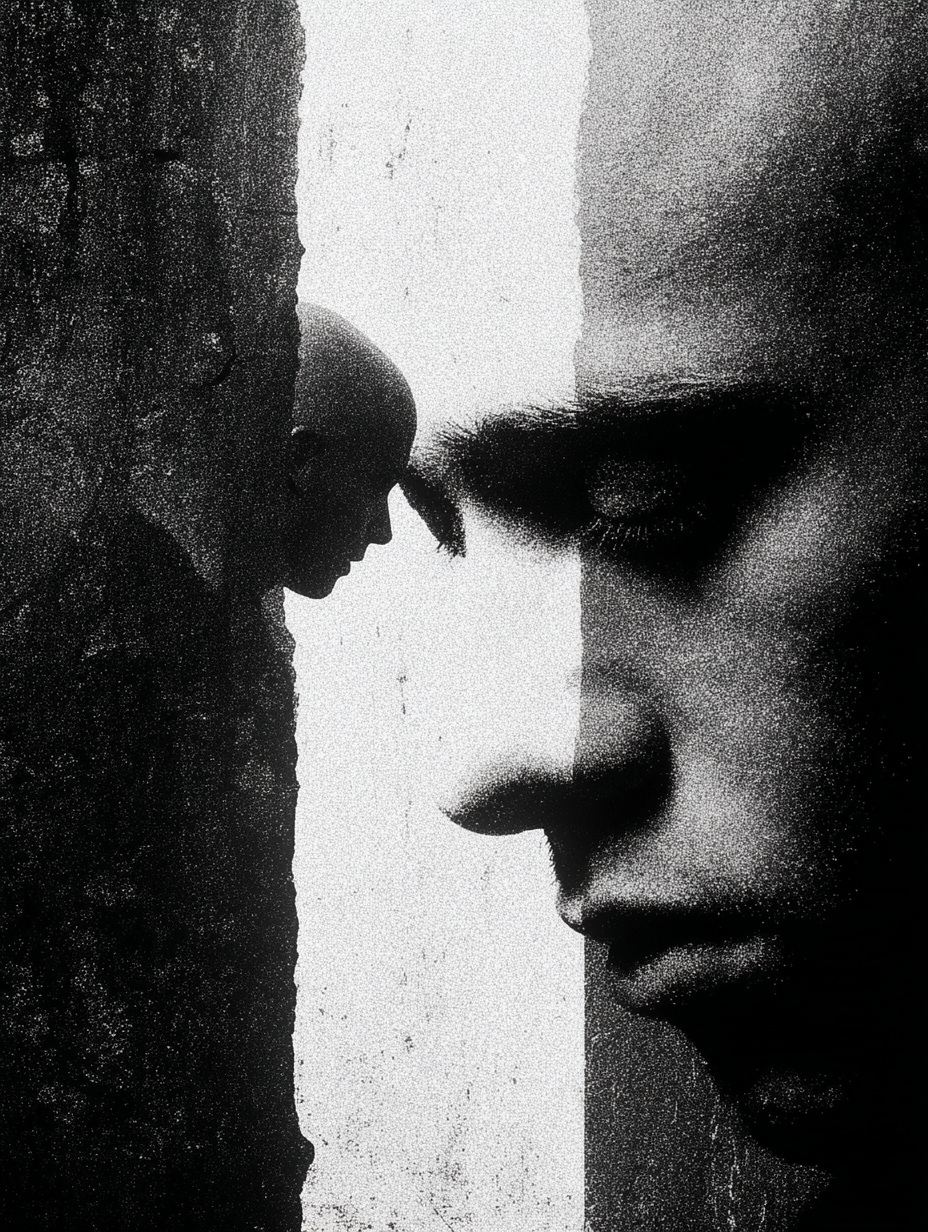
“You're not difficult to understand. You're merely unaccustomed to being observed with intent.”



Comments