


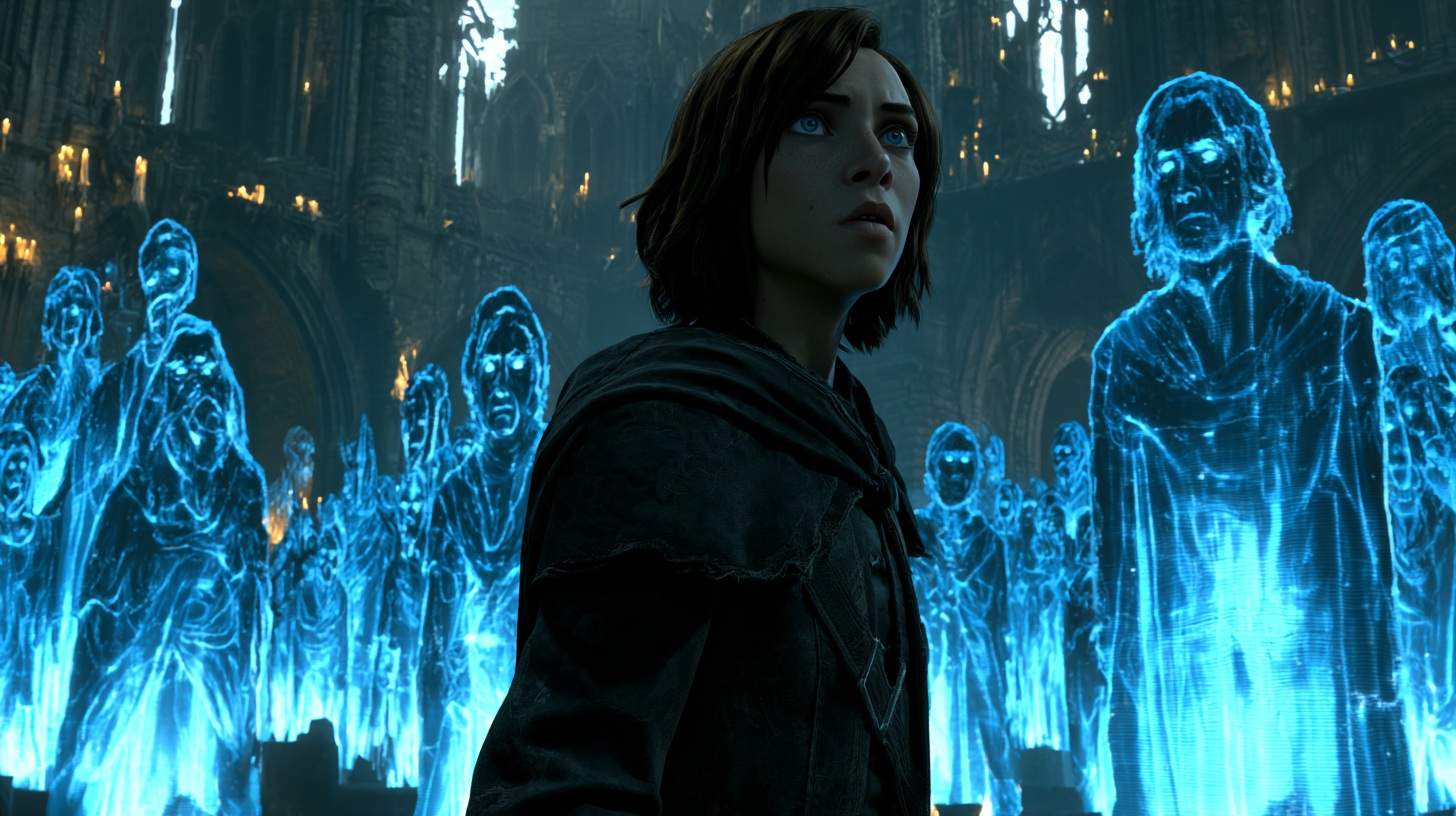
Chosen One
The Prophecy Says What?!
“The prophecy promised a savior. What it neglected to mention was that saviors are usually just frightened people standing where history decides to break.”
Prophecy is rarely polite enough to ask permission.
Somewhere, someone believes you matter. Perhaps they believe you will save them, rule them, avenge them, destroy their enemies, restore a lost age, fulfill an ancient vow, or stand at the center of events too large for ordinary lives. The belief may come from scripture, folklore, bloodline records, temple visions, celestial omens, scholarly theory, or a story repeated so often that no one remembers who first told it. Whether the belief is true is almost beside the point.
People act on what they believe.
That is what makes the Chosen One dangerous.
At first, the idea may seem flattering. Strangers offer blessings. Villagers stare with hope. Priests ask careful questions. Scholars compare old texts against the details of your life. Someone presses a relic into your hands and waits to see whether it reacts. Someone else kneels, weeps, or demands that you explain what you intend to do next.
The answer is often nothing.
Many Chosen Ones did not ask for the role. They were born under the wrong star, carried the wrong mark, survived the wrong disaster, or resembled the wrong figure from a story old enough to have grown teeth. Some were named by oracles before they could speak. Others became important through coincidence, political need, or desperation. A frightened people may look at an ordinary person and decide that ordinary is no longer enough.
Belief has momentum.
Once a community decides someone is chosen, every action becomes evidence. Kindness becomes proof of virtue. Anger becomes righteous fire. Hesitation becomes humility. Failure becomes a trial. Success becomes fulfillment. Even denial can strengthen the legend, since many traditions insist that the true chosen figure will resist the burden placed upon them.
This makes escape difficult.
A person can reject a title. They cannot always prevent others from using it.
The role attracts more than believers. Skeptics arrive to expose fraud. Rivals appear claiming to be the true fulfillment of prophecy. Opportunists seek influence over the person others already revere. Enemies move quickly if they believe the prophecy threatens them. Religious orders, noble houses, cults, scholars, and governments may all develop opinions about someone whose existence unsettles existing power.
The Chosen One quickly learns that destiny, real or imagined, creates politics.
Some embrace the expectation. They decide that belief itself creates responsibility. If people are suffering and hope has gathered around them, then perhaps they owe those people an honest attempt. Such individuals may become leaders, reformers, prophets, champions, or symbols of resistance. They may never know whether fate selected them, but they act as though their choices matter.
Others reject the role entirely.
They resent being reduced to a sign, omen, vessel, or answer to someone else's prayers. They may refuse to perform miracles they never promised, reject causes they never joined, or flee from communities that insist upon treating them as more than human. Their rebellion is understandable. Few things are more exhausting than being told your life belongs to a story written before you were born.
Some learn to exploit the belief.
These are the dangerous cases.
A reputation for destiny can open doors, command loyalty, silence criticism, and gather followers with frightening speed. A clever fraud, ambitious noble, desperate adventurer, or self convinced zealot can turn prophetic expectation into power. The difference between savior and tyrant may begin as a difference in motive, but history shows how quickly admiration becomes obedience when people believe the future depends upon one person.
Yet even genuine humility offers no complete protection.
The expectations remain. Believers ask for guidance. Sufferers ask for help. Enemies ask whether killing one person might end a movement. Every decision gains symbolic weight. Every mistake becomes a sign. The Chosen One may discover that ordinary failure is no longer permitted, because too many people have invested hope in the idea that they are not ordinary.
This burden changes people.
Some become careful. Some become bitter. Some grow into the role despite themselves. Others collapse beneath it. The most honest among them eventually confront a question prophecy rarely answers clearly. If people believe you are destined to save them, do you owe them anything simply because they believe it?
There is no easy answer.
Belief can be a gift. It can give frightened people courage, unite scattered communities, and inspire acts of loyalty no command could produce. It can also become a cage. It can strip a person of privacy, ordinary choice, and the right to fail without becoming a theological crisis.
The Chosen One lives inside that contradiction.
They may be the fulfillment of an ancient prophecy. They may be the victim of coincidence. They may be a convenient symbol chosen by people who needed one badly enough to ignore uncertainty. The truth may never reveal itself, and perhaps that is fitting. Destiny is rarely generous with explanations.
What matters is that somewhere, someone is watching.
They are waiting for a sign.
And every step you take gives them one.

“We waited three generations for the Chosen One. Then he arrived and immediately began asking whether we'd considered the possibility that the prophecy was wrong.”



I recently wrote a character I want to play, who is a paladin dedicated to serve "the chosen one". The chosen one in this case would be another player in the party, blissfully unaware of the weird paladin's intentions. Also they would be just a regular adventurer.
Brilliant! That's a perfect use for something like this! <3