


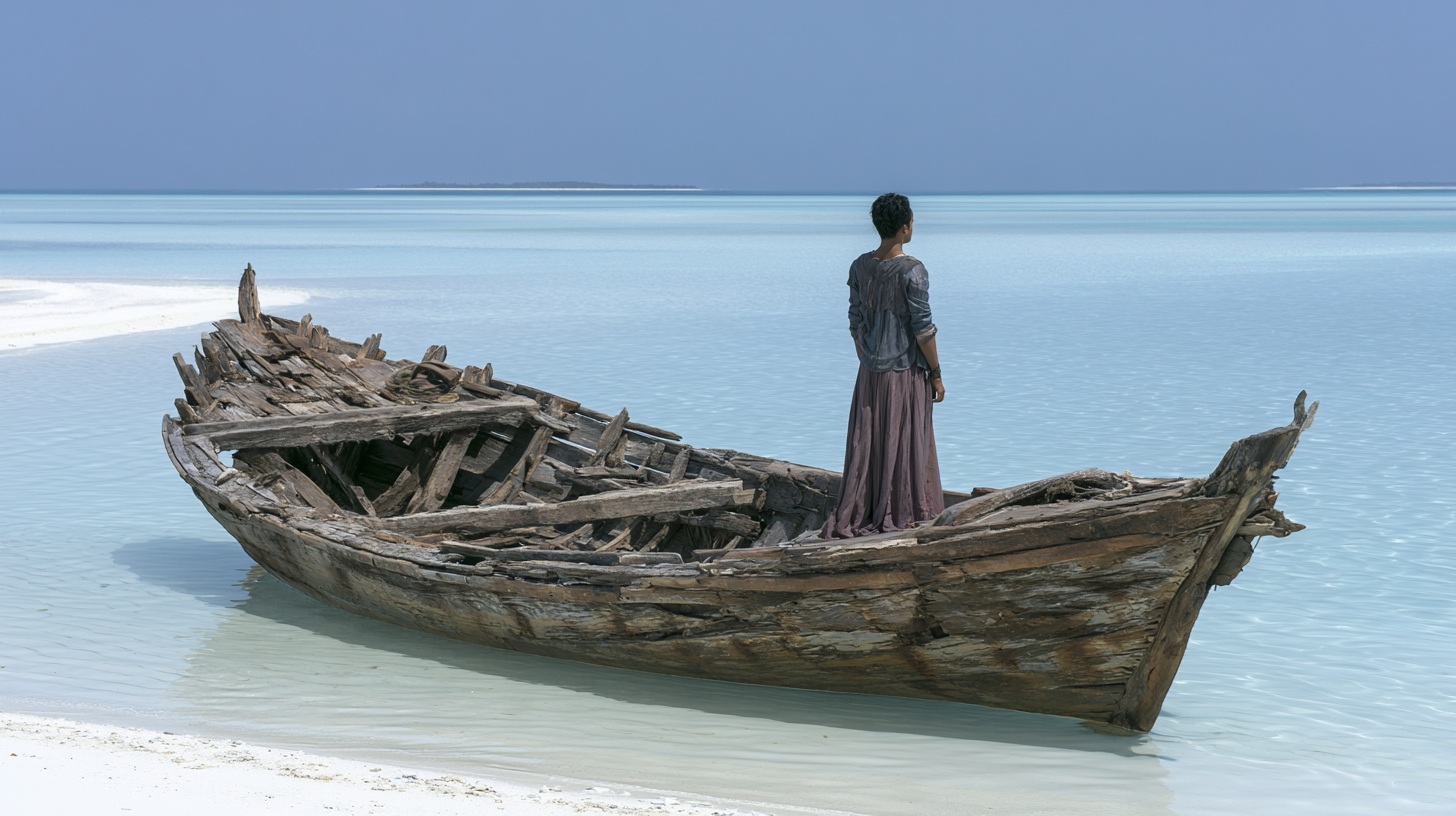
Castaway
Extreme Survival
“The day I was rescued, they asked how I survived alone for three years. I told them the truth. The first year was skill. The second was routine. The third was pure stubbornness.”
Civilization creates comforting illusions.
The illusion that food comes from markets.
The illusion that shelter comes from buildings.
The illusion that safety comes from laws, institutions, and systems maintained by countless unseen people.
The Castaway learns how fragile those assumptions truly are.
At some point, everything disappeared.
Perhaps a ship shattered against unseen rocks. Perhaps an expedition lost its way beyond the edge of known maps. Perhaps war, disaster, isolation, or simple bad luck severed every connection to the world that once felt permanent. Whatever the cause, the result remained the same.
No rescue arrived.
No cavalry appeared.
No convenient solution emerged.
Survival became a personal responsibility.
Most people imagine survival as a dramatic struggle against nature. Storms. Predators. Starvation. Exposure. Such dangers certainly exist, but experienced Castaways know the real enemy often arrives much earlier.
Hopelessness.
The wilderness can kill a person.
Despair usually reaches them first.
This realization shapes the profession. Castaways learn that survival is rarely a single heroic act. It is a thousand small decisions made correctly over time. Finding water. Maintaining shelter. Conserving resources. Avoiding injury. Creating routines. Solving problems before they become disasters. Enduring one more day, then another, then another after that.
The process teaches patience.
It also teaches creativity.
A Castaway develops an unusual relationship with scarcity. When resources are limited, every object possesses potential value. A broken tool becomes spare parts. Wreckage becomes shelter. Rope becomes dozens of future solutions waiting for the right problem. Materials that others ignore become opportunities.
Nothing is useless.
It simply has not found its purpose yet.
Years spent thinking this way create habits that rarely disappear. Many Castaways instinctively assess new environments for resources. They notice water sources, shelter locations, potential hazards, useful materials, and escape routes without conscious effort. They calculate supplies. They identify weaknesses. They imagine how they would survive if everything suddenly went wrong.
Because once it did.
And they remember.
The experience often changes a person's understanding of comfort. Those who have endured true deprivation rarely view ordinary conveniences the same way again. A dry roof, reliable food, clean water, and companionship acquire new significance. Some become deeply appreciative. Others grow suspicious of luxury, knowing how quickly it can vanish.
Many struggle with the return to civilization.
The skills that ensured survival in isolation do not always translate smoothly into ordinary life. A Castaway may feel uncomfortable wasting resources. They may distrust abundance. They may continue carrying supplies for emergencies that never occur. Others find crowds overwhelming after years of solitude.
The world moved on while they were busy surviving.
Yet the experience also grants remarkable resilience.
Castaways tend to remain calm during crises because they have already endured situations most people would consider impossible. When supplies run short, they improvise. When plans fail, they adapt. When others panic, they begin solving problems. Hardship becomes familiar territory.
Not welcome.
But familiar.
In lands fractured by catastrophe, the profession occupies an unusual place within society. Castaways often become guides, scouts, explorers, salvagers, pioneers, and teachers. Their knowledge proves valuable wherever communities struggle against isolation or limited resources. They understand how ordinary people endure extraordinary circumstances because they have done so themselves.
Many become repositories of forgotten knowledge.
Remote locations preserve unusual solutions. Isolated communities develop unique techniques. Survival encourages innovation. A Castaway returning from years beyond civilization may possess information unavailable anywhere else. Hidden routes. Lost settlements. Forgotten resources. Strange phenomena. Entire worlds can exist beyond the edges of common experience.
The profession also fosters a certain humility.
Nature does not care about status. The wilderness ignores titles. Storms remain unimpressed by wealth. Isolation strips away many of the assumptions that separate people from one another. In the end, survival depends upon practical realities rather than reputation.
Food matters.
Water matters.
Shelter matters.
Everything else becomes negotiable surprisingly quickly.
Perhaps that is the lesson most Castaways carry with them. They have seen how little a person truly needs to continue living and how much determination the human spirit can summon when circumstances demand it.
Most people look at ruins and see failure.
Most people look at wreckage and see loss.
Most people look at scarcity and see limits.
The Castaway sees materials, possibilities, and one more chance to begin again.
After surviving the end of the world once, rebuilding a small piece of it feels entirely reasonable.
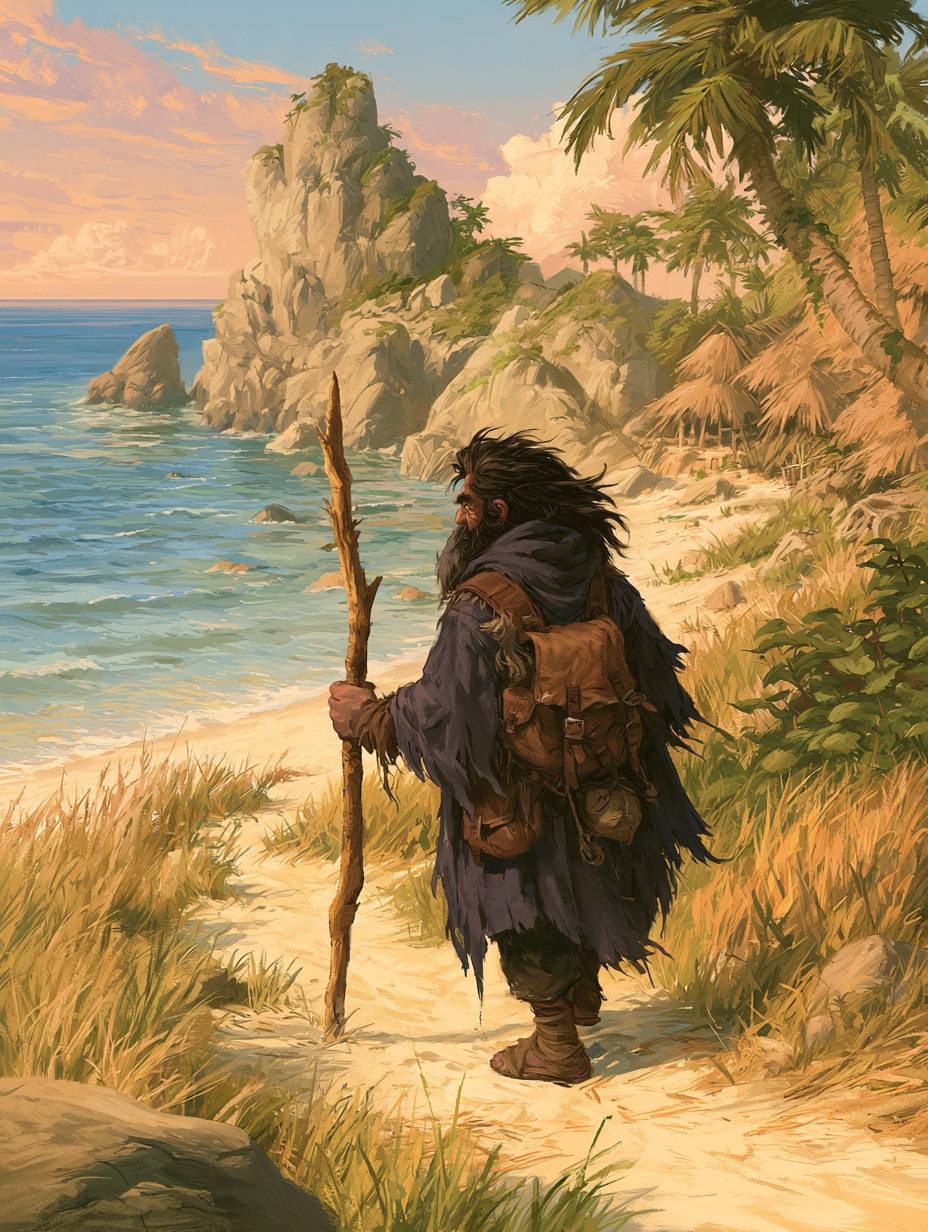
“Civilized folk see a broken wagon, a collapsed roof, and a pile of scrap. I see tomorrow's shelter, next week's tools, and three different ways to avoid freezing to death.”
Type
Hunting



Comments