


Barber
A Little Off the Top
"A good barber improves your appearance. A great barber improves your chances of surviving the week."
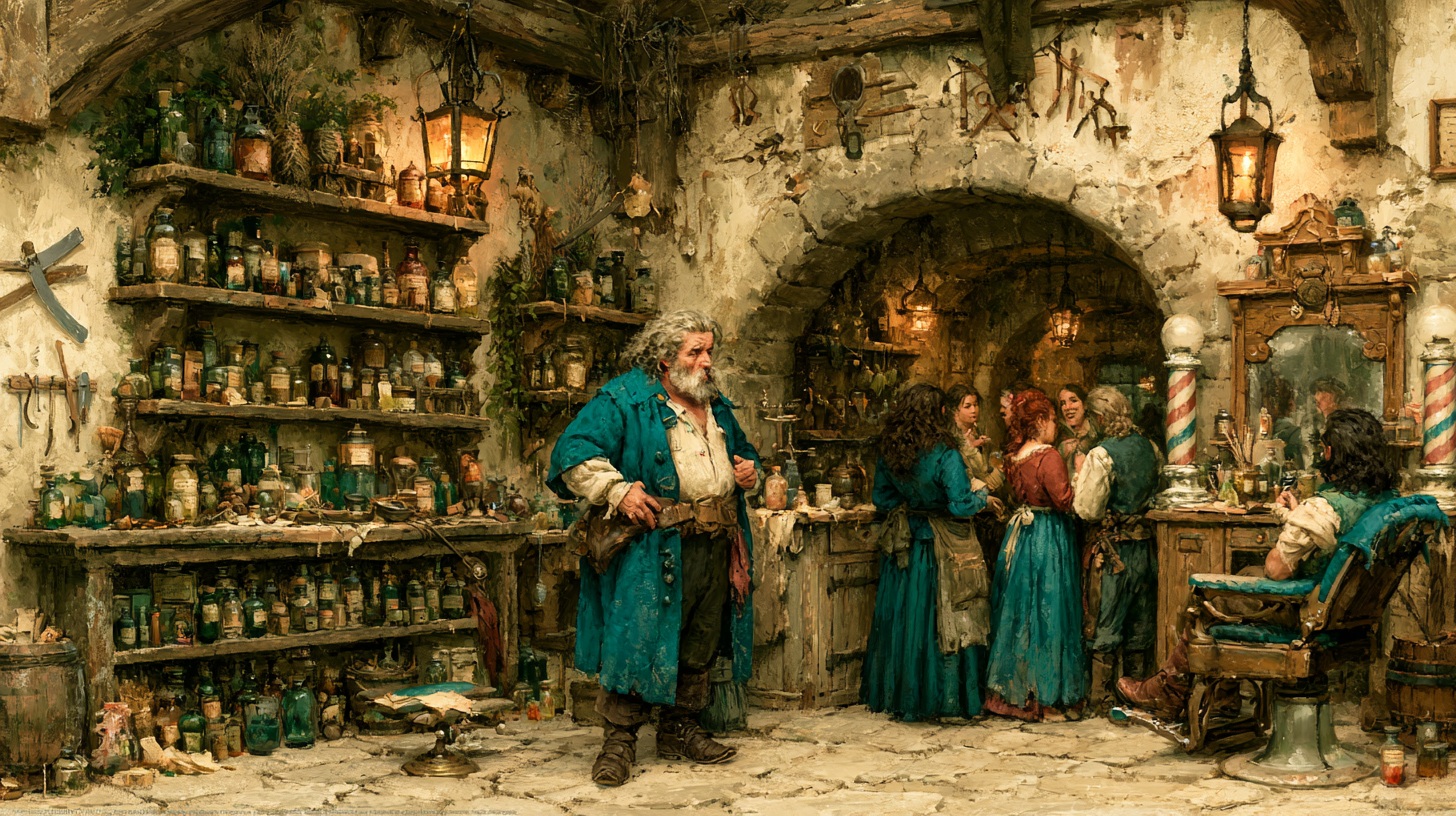
The profession of barbering exists at the unusual intersection of appearance, health, and necessity.
Most people think of barbers as individuals who cut hair, trim beards, and help clients maintain a respectable appearance. Historically, however, the profession has often involved far more than grooming. In many communities, particularly those lacking dedicated physicians, barbers became practical medical practitioners as well. They pulled teeth, dressed wounds, stitched cuts, drained infections, treated minor injuries, and performed countless procedures that no one else was willing or qualified to undertake.
As a result, the barber developed into one of the most familiar and trusted professionals in everyday life.
Unlike scholars, nobles, priests, or magistrates, barbers interact with people from every level of society. Wealthy merchants require haircuts. Soldiers require treatment. Laborers need shaves. Travelers seek medical assistance. Farmers visit for grooming and conversation. The profession creates opportunities to meet individuals who might otherwise never occupy the same room.
This constant interaction has given barbers a reputation for being exceptionally well informed.
A barber shop functions as more than a workplace. It is often a gathering place. Customers spend time waiting for service. Conversations begin naturally. News spreads quickly. Local disputes, political rumors, family scandals, business opportunities, military developments, and community concerns all pass through the shop eventually.
Many communities learn local news from their barber before hearing it anywhere else.
The profession's medical responsibilities developed largely through practicality. Before the rise of specialized medicine, many procedures required little formal theory but considerable courage and steady hands. A barber already possessed sharp tools, experience working carefully around vulnerable areas, and a willingness to deal with situations that made others uncomfortable.
Consequently, they became responsible for an impressive variety of tasks.
Broken bones required stabilization. Teeth required extraction. Cuts required stitching. Infections required treatment. Abscesses required draining. Bloodletting, however misguided some modern practitioners may consider it, often fell within the barber's responsibilities as well. The result was a profession that blended grooming, surgery, medicine, and practical problem solving into a single occupation.
This history explains why traditional barbering tools often resemble surgical instruments.
The profession demands a combination of skills rarely found together elsewhere. Technical precision is essential. A careless movement can cause injury. Good judgment is equally important. Practitioners must determine which conditions they can treat and which require more advanced expertise. Emotional intelligence matters as well. Patients are often frightened, embarrassed, uncomfortable, or in pain.
The ability to calm someone is nearly as valuable as the ability to treat them.
Many barbers develop remarkable powers of observation. Spending years examining faces, skin, posture, movement, and behavior teaches a person to recognize subtle signs of illness, exhaustion, malnutrition, stress, addiction, and injury. Experienced practitioners often notice health concerns long before patients realize something is wrong.
The profession also creates a distinctive relationship with vulnerability.
Most people spend much of their lives attempting to appear strong, confident, and capable. A barber sees what exists beneath those efforts. Injuries cannot be hidden forever. Illness eventually becomes visible. Pain affects behavior. Fear changes how people speak and move. The profession exposes its practitioners to countless moments when individuals can no longer maintain the image they wish to present.
Many barbers emerge from these experiences with a practical understanding of human nature.
Some become compassionate. Others become cynical. Most simply learn that nearly everyone struggles with something.
Despite their importance, barbers often occupy an unusual social position. They are respected but rarely prestigious. Communities depend upon them, yet they seldom possess significant authority. Their work is considered essential, but because it is familiar, it is frequently taken for granted.
The profession nevertheless remains remarkably resilient.
Every community requires grooming. Every community experiences injury and illness. Every community benefits from individuals capable of providing practical treatment when more advanced care is unavailable. These needs ensure that barbers remain valuable regardless of changing fashions, political upheaval, or economic conditions.
Their reputation varies by region.
Some communities view barbers primarily as medical practitioners. Others emphasize grooming and personal appearance. In military settings, barber surgeons often acquire reputations for toughness, ingenuity, and composure under pressure. In cities, successful barbers may become influential community figures whose opinions carry considerable weight.
Regardless of the specific role, the profession shares common principles.
Clean tools matter.
Steady hands matter.
Experience matters.
Most importantly, people matter.
A barber's work revolves around helping others maintain their health, appearance, and quality of life. The methods may sometimes be uncomfortable. The solutions may occasionally be inelegant. The results may involve blood, sweat, tears, or more extracted teeth than anyone would care to count.
Yet generation after generation, communities continue placing their trust in barbers for a simple reason.
When something hurts, people want someone capable of fixing it.
For centuries, the barber has been exactly that person.
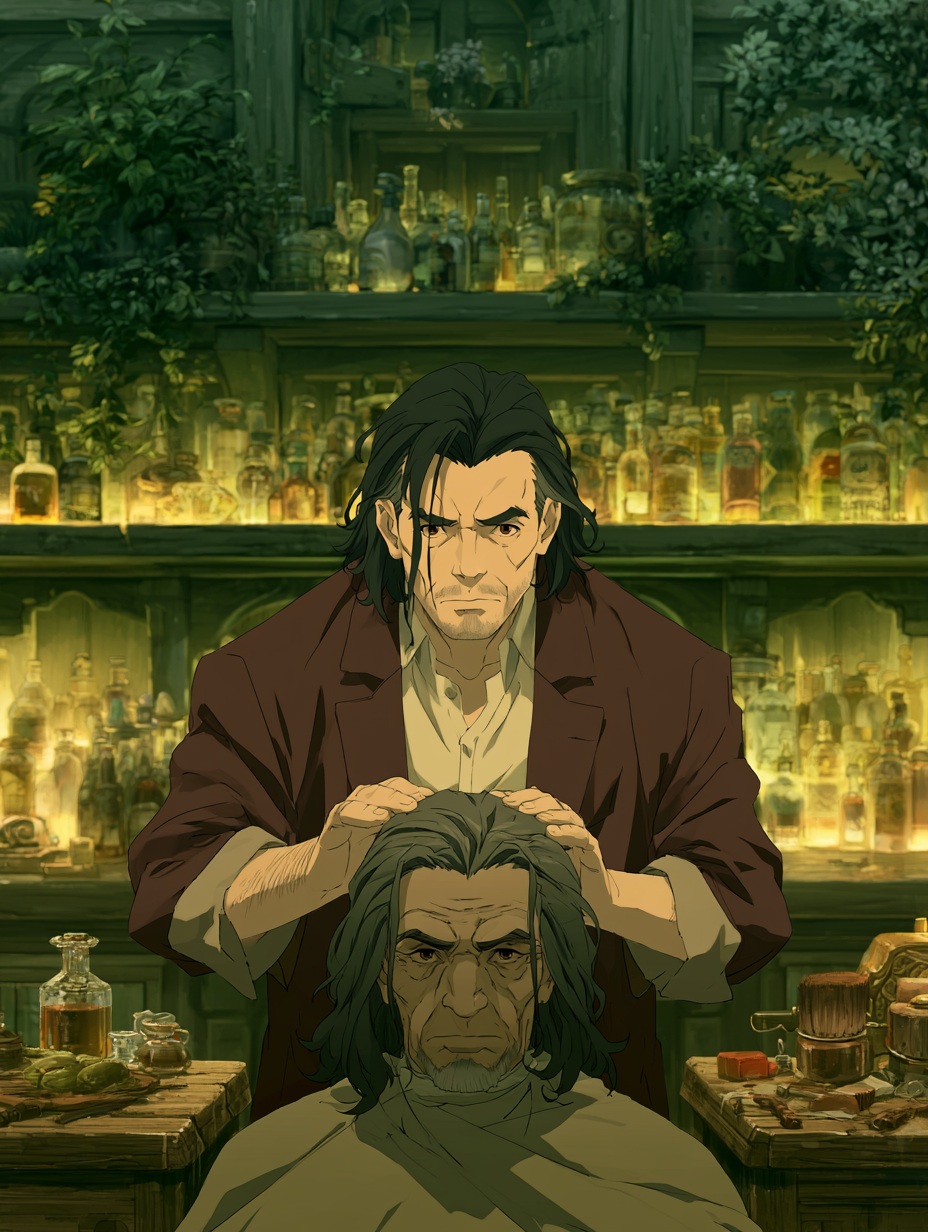
"People tell priests what they should have done. They tell barbers what actually happened."
Type
Healthcare



Comments