


Actor
Take A Bow
“The king received the applause. The villain received the boos. I received both, which is how I knew I had done my job.”
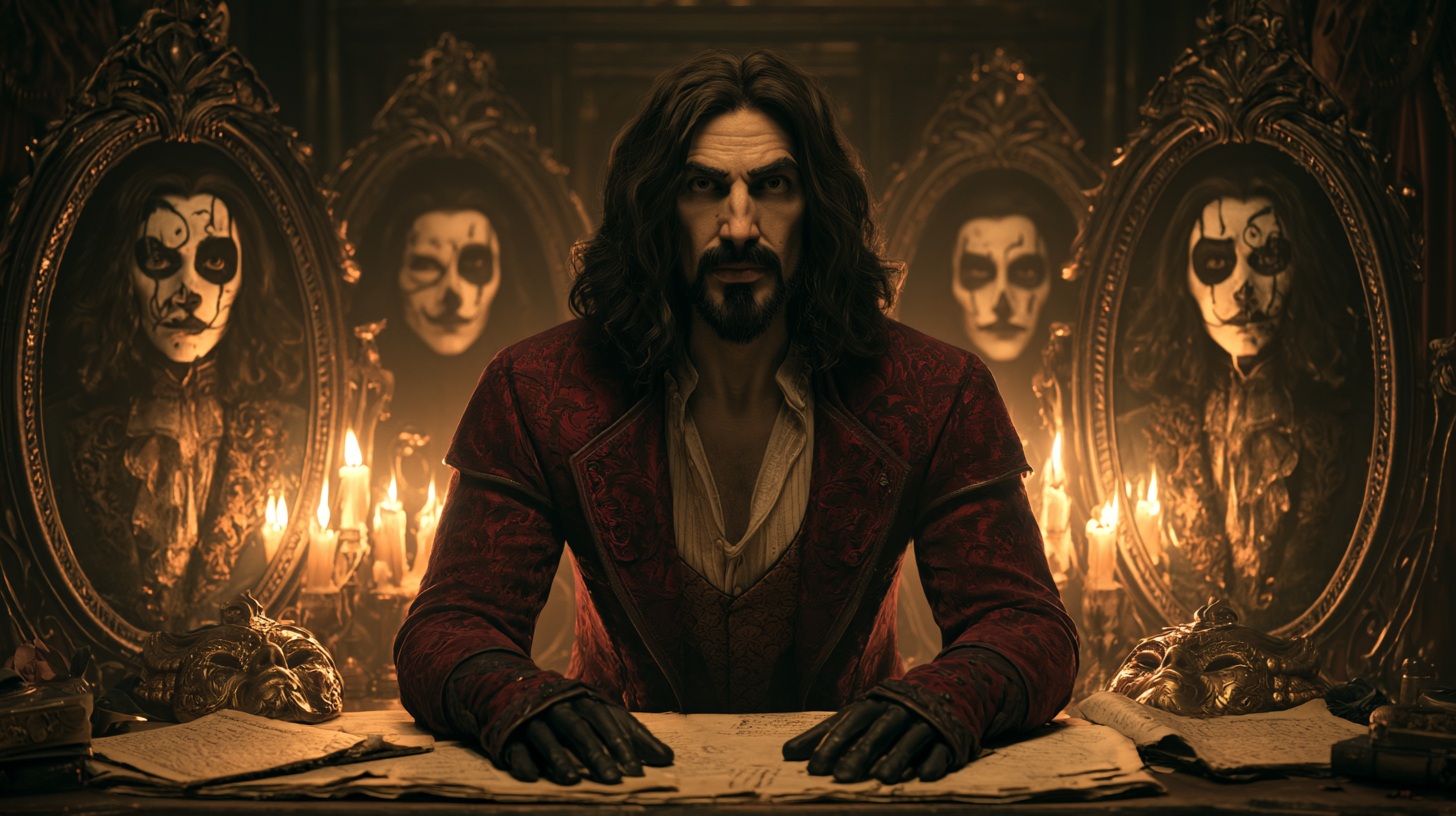
Actors exist wherever people gather to tell stories. Some perform in permanent theaters before wealthy patrons and noble audiences. Others travel from town to town with wagons full of costumes, props, and scenery. They appear in religious pageants, seasonal festivals, public celebrations, taverns, royal courts, and village squares. While the scale of their performances varies dramatically, all actors share a common skill: the ability to observe people closely and reproduce what they see.
Most outsiders assume that acting is primarily a form of deception. Actors themselves often understand it differently. Convincingly portraying another person requires empathy, attention, and insight. An actor must understand not only how someone speaks and moves, but why they do so. The profession encourages careful observation of mannerisms, motivations, fears, ambitions, and insecurities. Over time, many actors become remarkably perceptive students of human behavior.
This perspective frequently extends beyond the stage. Years spent portraying heroes, villains, rulers, fools, lovers, prophets, and common laborers teach lessons about the roles people adopt in everyday life. Actors often notice how differently individuals behave depending upon their audience. A merchant addressing customers may seem like a different person when speaking to competitors. A magistrate who appears stern in public may reveal uncertainty in private. A celebrated hero may carefully cultivate a reputation that differs significantly from reality.
Because of this, many actors develop a fascination with identity itself. Some become skilled mimics capable of adopting different accents, mannerisms, and social roles. Others become amateur philosophers who spend their lives questioning the relationship between appearance and reality. A few grow cynical, concluding that everyone is constantly performing. Others emerge with greater compassion, believing that the roles people play reveal important truths about what they wish to become.
In lands scarred by the Shattering, actors serve purposes that extend well beyond entertainment. Traveling performers often carry stories, songs, histories, and legends between isolated communities. Plays sometimes preserve events that vanished from official records generations ago. Entire regions may remember historical figures, local customs, and ancient conflicts primarily through performance rather than scholarship. Actors frequently become custodians of cultural memory, preserving traditions that might otherwise disappear.
Many eventually pursue careers outside the theater. The same talents that make someone an accomplished performer often translate well into diplomacy, teaching, espionage, politics, storytelling, religious service, or public speaking. Regardless of where life takes them, most actors retain the habits their profession encouraged. They watch people carefully. They notice inconsistencies. They pay attention to the stories individuals tell about themselves and to the audiences those stories are intended to impress.
Most people judge others by what they claim to be.
Actors learn to pay attention to what they are trying to portray.

“Every person wears a costume. Mine simply happens to come with a wardrobe department.”
Type
Entertainment



Comments