


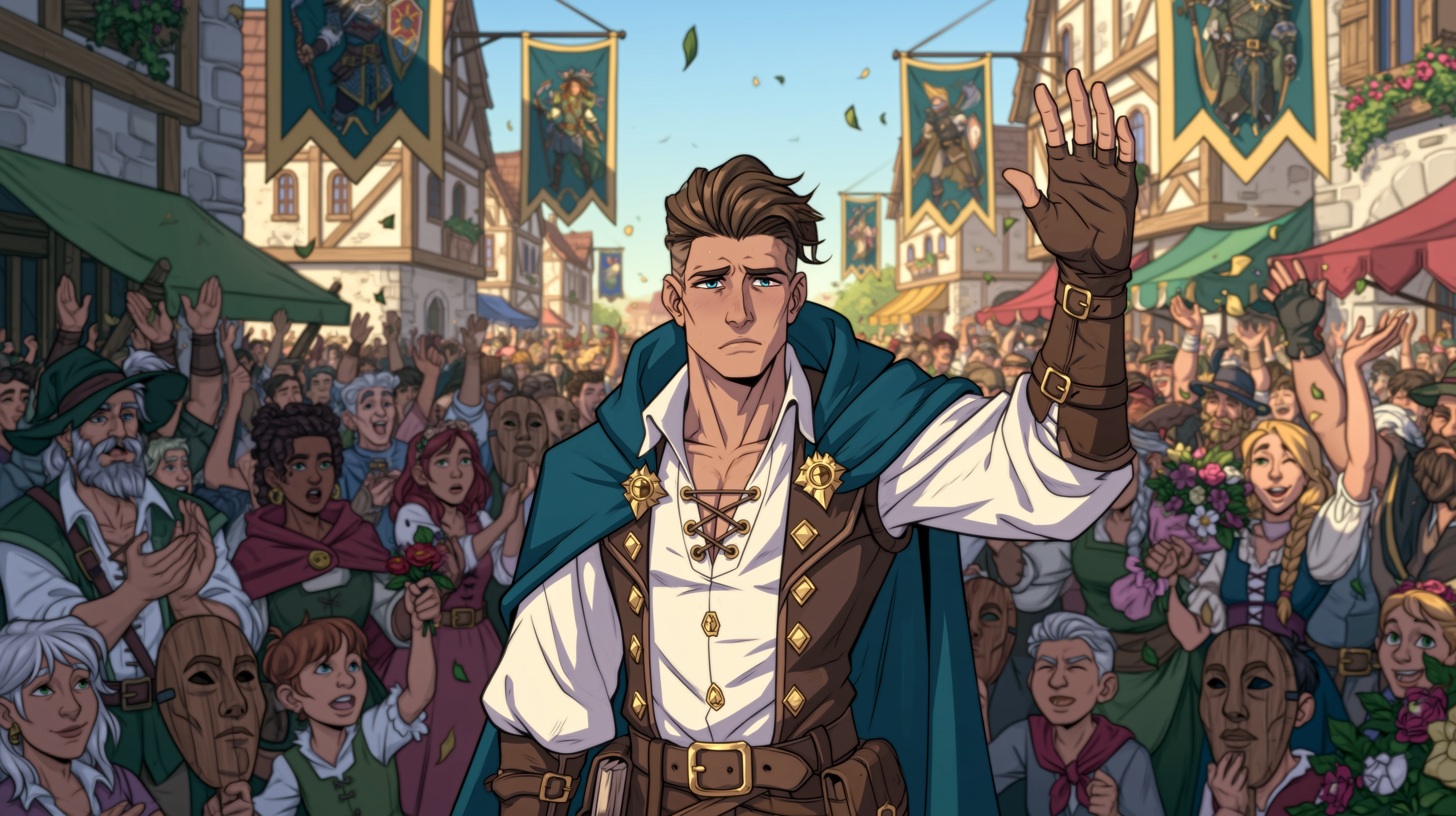
Reluctant Icon
You've Heard of Me?
“People remember the story. Whether they remember you is another matter.”
Most famous people pursue recognition intentionally.
Reluctant Icons suffer from it.
At some point, through accident, survival, misunderstanding, timing, desperation, or sheer absurd chance, something you did became important to other people. Perhaps you survived a disaster nobody else escaped. Perhaps you insulted the wrong noble loudly enough that common folk turned the moment into legend. Maybe you performed a small kindness at exactly the right moment for someone who desperately needed hope.
Or maybe the story simply grew larger than reality.
The truth almost stops mattering after a while.
What matters is that people remember you.
Not accurately, necessarily. In fact, the more famous the story becomes, the less resemblance it usually bears to the actual event. Entire communities may insist you defeated monsters you never saw, delivered speeches you never gave, or inspired revolutions you barely understood while they were happening. Artists paint your face incorrectly. Tavern songs invent dramatic romances. Drunk storytellers attach impossible deeds to your name because the real version no longer feels exciting enough.
You become trapped inside a version of yourself built collectively by strangers.
Some Reluctant Icons genuinely deserve admiration, though often not to the absurd extent people claim. Others are ordinary individuals who happened to stand in the right place during extraordinary circumstances. A few are complete frauds carried entirely by rumor and momentum long after reality stopped participating in the process.
Oddly enough, the public rarely cares which category applies.
The story matters more.
This background explores the uncomfortable psychological space between identity and reputation. Unlike nobles, celebrities, or powerful leaders whose status comes from official structures, a Reluctant Icon exists because ordinary people decided they mattered. That kind of fame behaves unpredictably. It spreads through rumor, exaggeration, emotional need, and repetition rather than truth.
And stories mutate constantly.
One village might view the character as a rebellious folk hero. Another sees them as a spiritual symbol. A third believes they are secretly immortal because nobody remembers how old the original story actually was. Contradictions do not weaken the legend. Somehow they make it stronger.
This creates deeply strange social situations.
A Reluctant Icon may enter a town and discover murals depicting them incorrectly on public walls. Strangers buy them drinks while confidently explaining achievements that never happened. Local leaders request advice based entirely on fictional stories attached to their name. Some admirers become emotionally invested in preserving the legend regardless of whether the person themselves agrees with it.
Many characters with this background eventually develop complicated feelings toward their own reputation.
Some become deeply uncomfortable with praise because they know how distorted the stories truly are. Others lean into the role ironically until they realize people stopped understanding the joke years ago. Some resent the loss of privacy and individuality that comes with symbolic fame. Others secretly enjoy the attention while feeling guilty for it.
A few begin wondering whether belief itself is slowly changing them into the person the stories describe.
That fear is not entirely irrational in many fantasy settings.
Reluctant Icons often attract unusual followers. Aspiring adventurers imitate them badly. Conspiracy theorists insist they are part of hidden prophecies. Rivals dedicate entire careers toward exposing them as frauds. Lonely people project impossible hopes onto them. Desperate communities sometimes cling to their existence emotionally because the story represents proof that ordinary individuals can still matter in a cruel world.
This means the background carries as much burden as privilege.
Yes, recognition opens doors. Innkeepers offer free rooms. Crowds gather eagerly. Minor authorities hesitate before treating the character harshly. Rumors flow more freely around someone people already feel connected to emotionally.
But admiration creates expectation.
People want the story to continue.
They want the Reluctant Icon to behave correctly, say inspiring things, solve problems, and somehow remain consistent with a dozen contradictory versions of themselves simultaneously. Failure disappoints people personally because the legend has become emotionally important to them.
Many Reluctant Icons eventually discover the hardest part is determining whether anyone still sees them clearly anymore.
Friends may struggle separating truth from reputation. Strangers approach conversations already convinced they know who the character is. Even the Icon themselves may start remembering events differently after hearing exaggerated retellings for years.
Memory becomes vulnerable to myth.
In adventuring parties, Reluctant Icons create fascinating tension. Some companions find the accidental fame hilarious. Others become protective when crowds grow overwhelming. Cynical party members may exploit the reputation shamelessly for practical advantage. Meanwhile the Icon themselves often oscillates between embarrassment, frustration, amusement, and genuine emotional pressure.
Because beneath the humor sits an uncomfortable truth.
Stories shape reality.
A king can command loyalty through law. A wizard commands fear through power. But a Reluctant Icon occupies a stranger space entirely. They exist because ordinary people chose to believe their story mattered enough to preserve.
And once enough people believe something long enough, the line between legend and truth can become frighteningly thin.
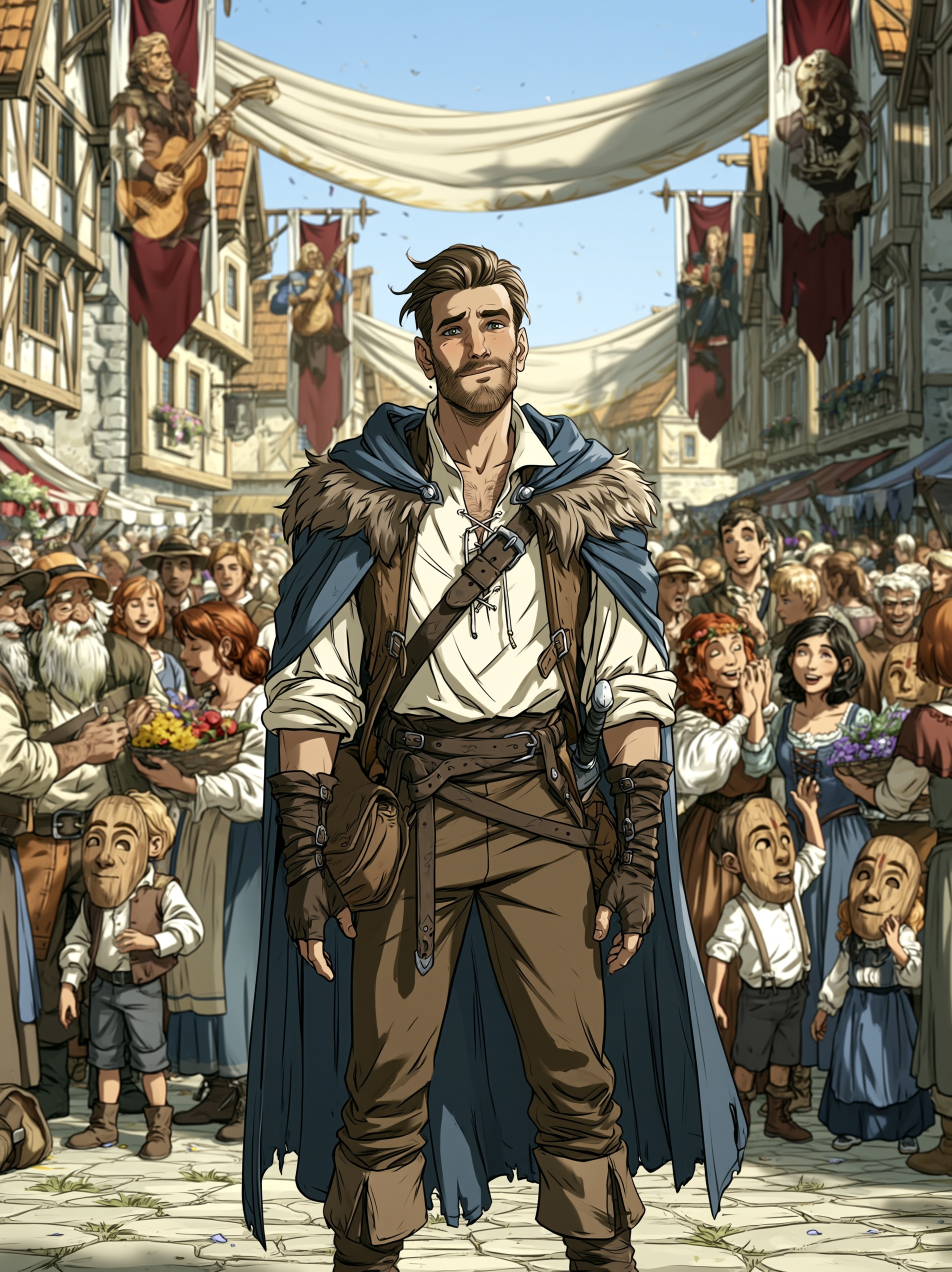
“Good heavens, must I nod again whilst this drunken carpenter explains how I slew the Duke of Marrent with naught but a spoon and righteous wit? By tomorrow they shall claim I wrestled the moon from heaven and taught it manners.”
Type
Entertainment



Comments