Ivarnis Island
Pronunciation: EYE-varn-us
Map Index: F-2
Location: Island off the coast of west central Beorlan.
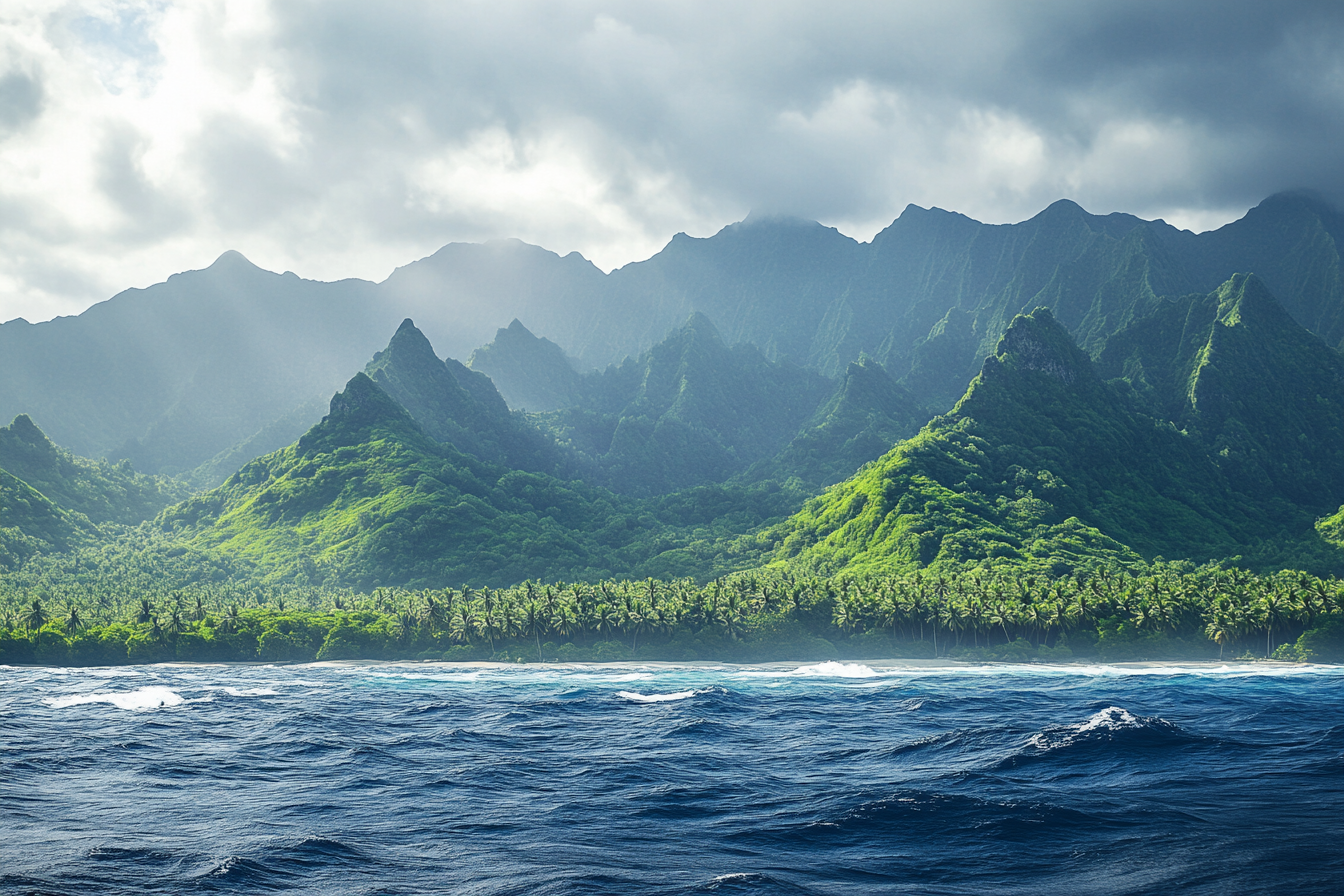
Geography: The weathered steep mountains of Ivarnis Island, surrounded by a lush subtropical landscape present a beautiful yet challenging landscape. Scars of past severe earthquakes can be seen on bare steep mountain slopes where enormous landslides sent soil and rocks downslope. These rocky peaks and their rugged slopes make travel difficult to nearly impossible through the island’s center. Yet surrounding the mountains lie more gentle slopes that allow greater ease of travel. The shoreline is inviting with rows of palm trees growing just above large sandy beaches.
Primary Population: None
Secondary Population: None
Minor Population: None
Climate: The island enjoys a subtropical climate with warm winters and hot summers. Rainfall is common year-round with large powerful thunderstorms frequently passing over the island in summer.
Wildlife: The plant community on the island consists of a lush forest with heavy undergrowth. Large hardwood trees live in the upland areas while palm trees dominate the low flat areas near the beaches.
On the ground, common wildlife includes jaguarundi, collared peccary, green iguana, boa constrictor, coatimundi, and ocelot. The trees provide a home for howler monkeys while during the day the beaches are full of red-footed tortoises, basking in the sun. Common birds include mountain-nesting crested eagles, who soar over the island in search of prey. Along the shore, large flocks of brown pelicans fly along the shoreline searching for schools of small fish.
Humanoids: No humanoids live on this deserted wilderness island.
Monsters: While during daylight hours the island resembles a paradise, hidden from view lurk dangerous creatures that like to hunt at night. Once the light fades, large and dangerous monsters such as giant rock crab, giant bombardier beetle, giant mantis, and giant scorpion emerge from their burrows in search of a meal.
History: During the Great Cataclysm, massive earthquakes struck Invarnis Island as immense tectonic forces forcibly uplifted the whole area. While this increased the size of the island, it also resulted in huge landslides as large volumes of soil and rock tumbled downslope. Today, the island has recovered, and earthquakes only rarely strike the island.
Today: Daytime visitors to the island will marvel at its great unspoiled beauty. However, great dangers lurk for anyone foolish enough to spend a night on the island.
Map Index: F-2
Location: Island off the coast of west central Beorlan.
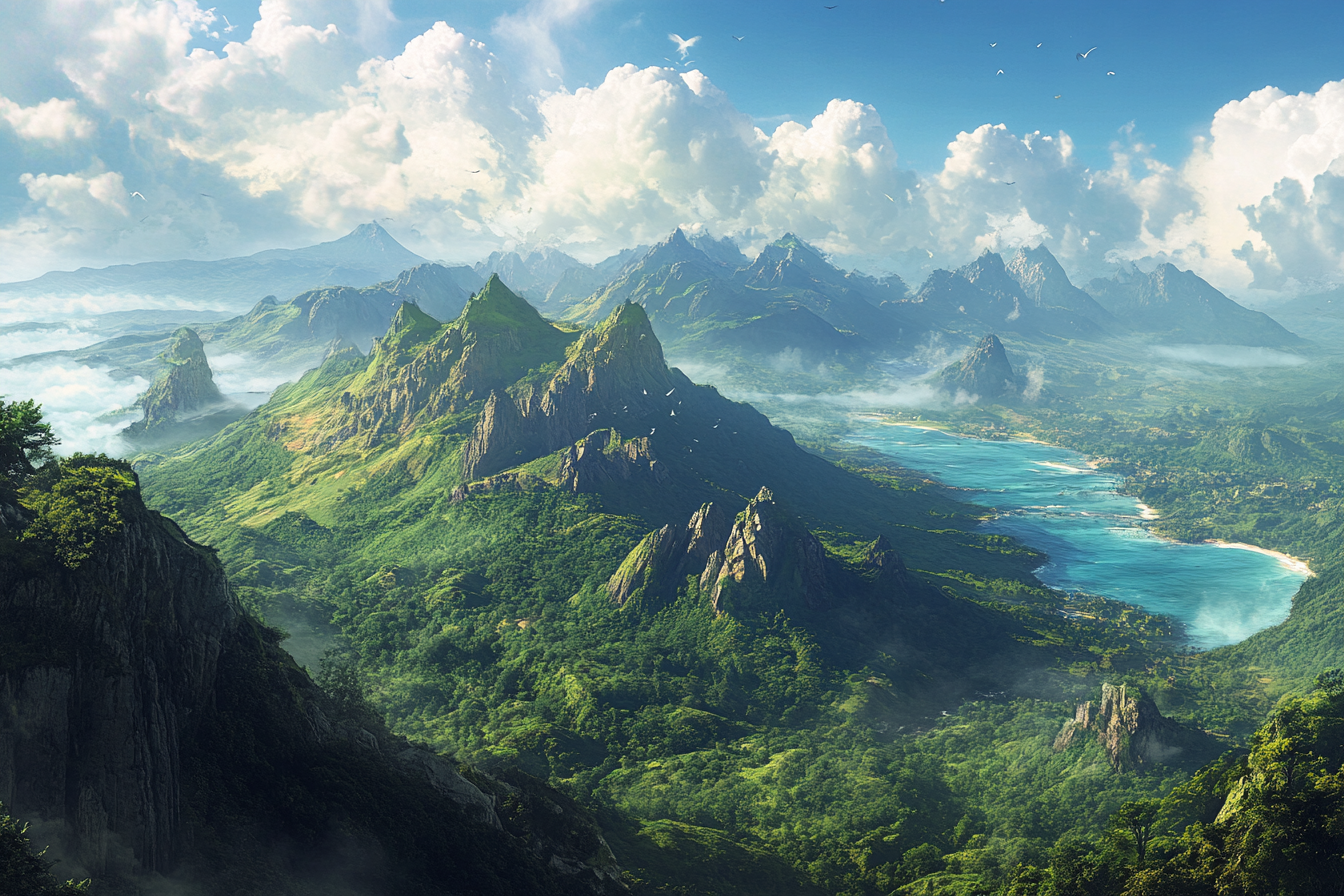
Geography: The weathered steep mountains of Ivarnis Island, surrounded by a lush subtropical landscape present a beautiful yet challenging landscape. Scars of past severe earthquakes can be seen on bare steep mountain slopes where enormous landslides sent soil and rocks downslope. These rocky peaks and their rugged slopes make travel difficult to nearly impossible through the island’s center. Yet surrounding the mountains lie more gentle slopes that allow greater ease of travel. The shoreline is inviting with rows of palm trees growing just above large sandy beaches.
Primary Population: None
Secondary Population: None
Minor Population: None
Climate: The island enjoys a subtropical climate with warm winters and hot summers. Rainfall is common year-round with large powerful thunderstorms frequently passing over the island in summer.
Wildlife: The plant community on the island consists of a lush forest with heavy undergrowth. Large hardwood trees live in the upland areas while palm trees dominate the low flat areas near the beaches.
On the ground, common wildlife includes jaguarundi, collared peccary, green iguana, boa constrictor, coatimundi, and ocelot. The trees provide a home for howler monkeys while during the day the beaches are full of red-footed tortoises, basking in the sun. Common birds include mountain-nesting crested eagles, who soar over the island in search of prey. Along the shore, large flocks of brown pelicans fly along the shoreline searching for schools of small fish.
Humanoids: No humanoids live on this deserted wilderness island.
Monsters: While during daylight hours the island resembles a paradise, hidden from view lurk dangerous creatures that like to hunt at night. Once the light fades, large and dangerous monsters such as giant rock crab, giant bombardier beetle, giant mantis, and giant scorpion emerge from their burrows in search of a meal.
History: During the Great Cataclysm, massive earthquakes struck Invarnis Island as immense tectonic forces forcibly uplifted the whole area. While this increased the size of the island, it also resulted in huge landslides as large volumes of soil and rock tumbled downslope. Today, the island has recovered, and earthquakes only rarely strike the island.
Today: Daytime visitors to the island will marvel at its great unspoiled beauty. However, great dangers lurk for anyone foolish enough to spend a night on the island.